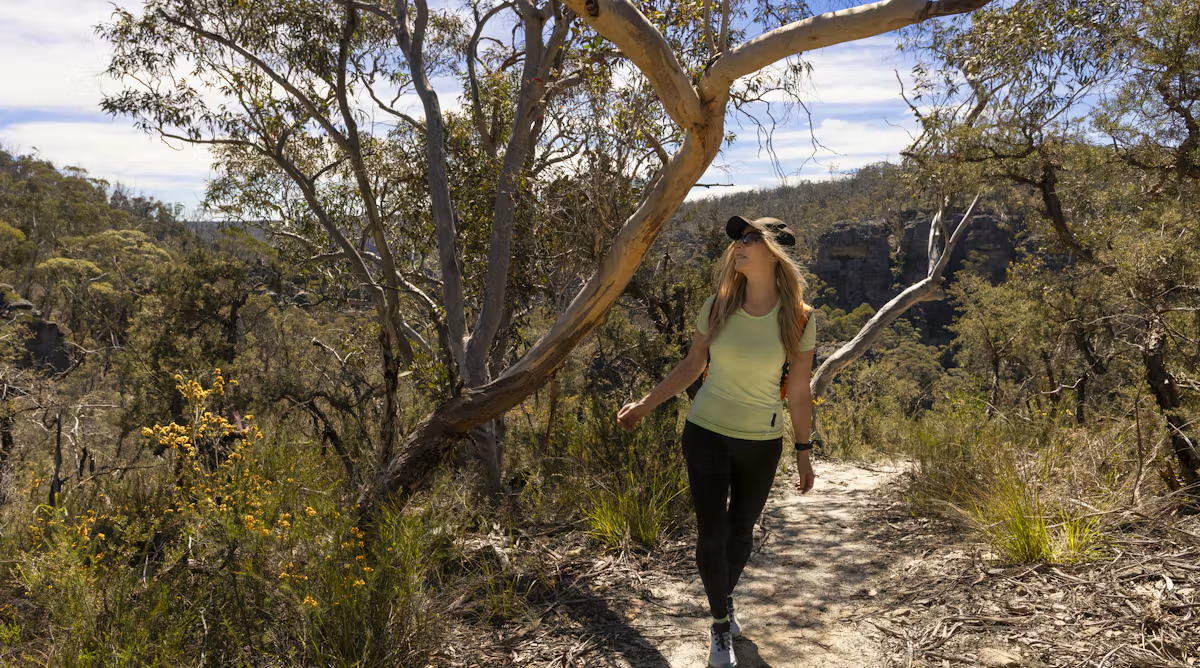
The Royal Australian College of General Practitioners recently endorsed resources to help doctors recommend spending time in nature, advising patients to spend 20 minutes a day noticing the natural world through park walks, listening to birds, or wildlife gardening.
A review of 47 trials with almost 3,800 participants found that 17 studies showed significant improvements in mental health compared with control groups, particularly for depression, anxiety and stress. A further 15 studies found some benefits, though less consistent. Researchers concluded that nature-based activities show promise for improving mental health, but more rigorous studies are needed to understand longer-term benefits.
A review of 22 studies examining forest-based activities found improvements in blood pressure, heart rate variability and cortisol, a hormone associated with stress. However, findings for blood glucose were less consistent.
The recommendation of two hours per week comes largely from a study involving almost 20,000 adults in England. People who spent at least two hours in nature each week were more likely to report good health and wellbeing than those who spent no time in nature. This was an observational study that found an association rather than demonstrating that two hours of nature causes better health.
A review of 92 studies found nature prescribing delivered by health or social professionals improved participants' blood pressure and mental health and increased the number of steps they took daily. England's green social prescribing trial enabled more than 8,000 participants to access nature-based activities with community link worker support, and participants reported significant improvements in mental health.
The evidence for nature prescribing remains limited by differences in how programs are delivered, how referrals are provided, and how outcomes are measured. It is difficult to know whether improvements come from spending time in nature, increased physical activity, social connection, or the additional encouragement provided by a health professional.
Not all doctors are familiar with the evidence for nature prescribing or know which local activities and services are available to their patients. Some people have access to safe and welcoming local parks, but someone working long hours, managing a disability or living in an area with limited quality green space may face greater challenges.