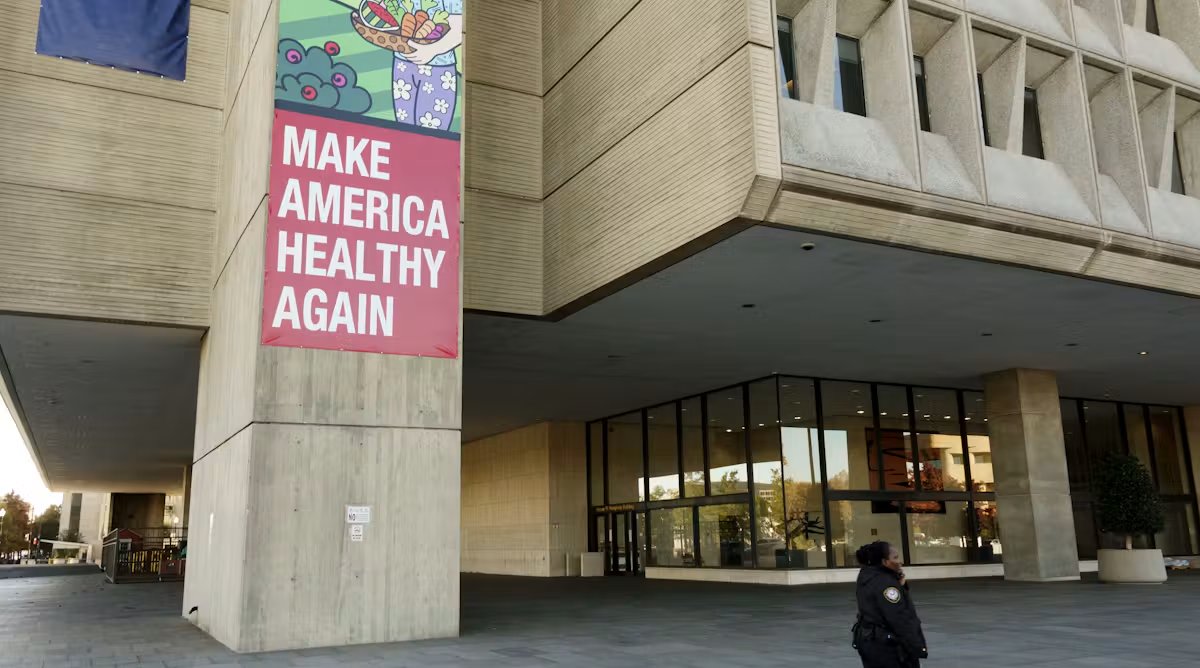
MAHA-backed candidates lost more than half their races in the 2026 midterms, with notable defeats including Iowa gubernatorial candidate Zach Lahn and Texas Senate candidate Ken Paxton. Lahn, a farmer who pledged to ban COVID-19 vaccinations in Iowa and received over $1 million from MAHA Action, the movement's political action committee, was endorsed by Kennedy.
Yet the electoral losses may not signal the movement's collapse. A May 2026 KFF poll found 41% of American adults supported MAHA, including many Democrats and independents. The same poll showed 75% of Americans believe the government regulates chemical food additives too lightly, and 64% say the same about agricultural pesticides.
MAHA's influence persists in Washington through key positions held by Robert F. Kennedy Jr., Health and Human Services Secretary; Jay Bhattacharya, National Institutes of Health Director; and Kyle Diamantas, acting FDA commissioner. Kennedy continues to reshape CDC vaccine recommendations aligned with his vaccine-skeptical views, though he faces scrutiny over reports that he sought to remove measles deaths from CDC statistics.
A KFF poll before the election showed that among MAHA-supporting voters, 42% prioritized lowering healthcare costs as their top health priority, compared to 21% focused on restricting food additives and 10% on vaccine safety. Most MAHA supporters continued voting Republican despite dissatisfaction with Trump's health policies.
Following the election, former Kennedy adviser Calley Means accused senior White House officials on Joe Rogan's podcast of allowing corporate interests to undermine MAHA goals. A postelection poll found just over half of MAHA supporters believed the Trump administration improved Americans' health and well-being.
Democrats now control Congress, creating new obstacles for MAHA's agenda. The administration may increasingly rely on executive actions and federal regulations to advance policies, though Congress can investigate HHS decisions and control federal spending.