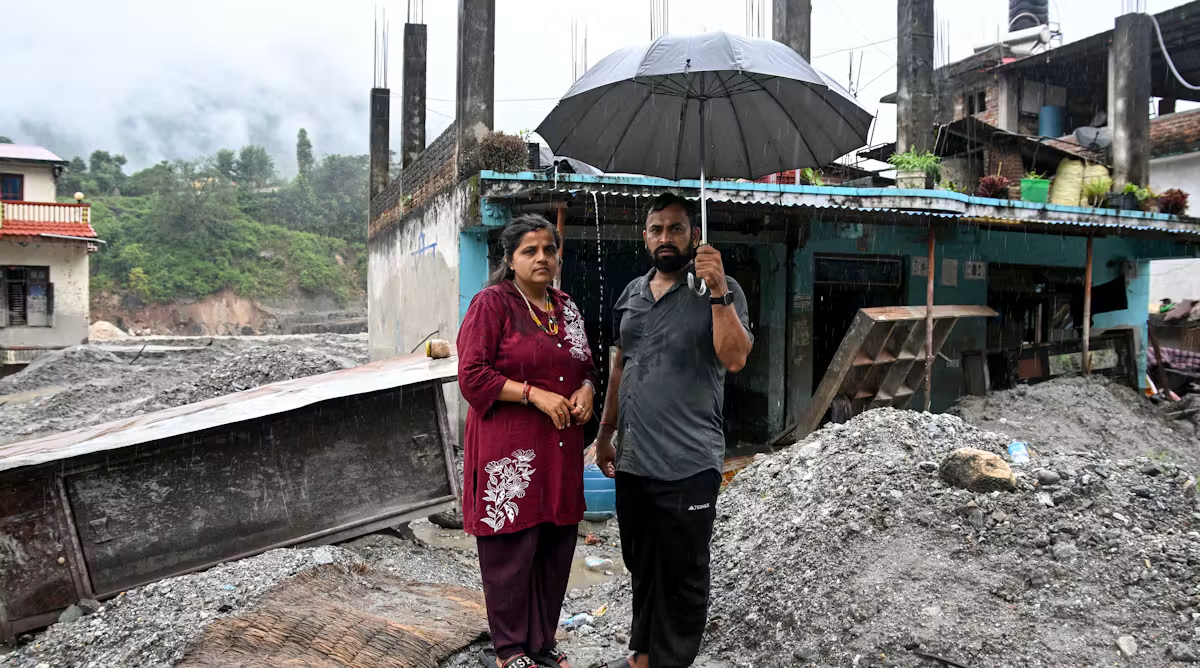
A massive flash flood along the Bhote Koshi river system killed more than 1,400 people and left at least 5,000 missing in Nepal and Tibet earlier this year. Climate change contributed to the glacial mountain collapse that triggered the floods.
Nepal produces only 0.05% of the world's carbon emissions but faces a multi-billion dollar reconstruction bill. The country exemplifies the disparity between developing nations most vulnerable to climate disasters and those with minimal responsibility for greenhouse gas emissions.
At the 2024 climate summit in Baku, Azerbaijan, developed countries committed to raise US$300 billion annually for the world's poorest nations by 2035. Developing nations argue this falls far short of addressing global climate finance needs.
A loss and damage fund was officially established at COP27 in Egypt in 2022 to help countries respond to unavoidable climate harm. The fund made its first call for submissions at COP30 in Belém in 2025 and received almost 180 requests totalling US$2.8 billion by the June 2026 deadline. Pledges to the fund now exceed US$820 million.
Nepal requested an emergency payout from the loss and damage fund following the floods. At the fund's first extraordinary meeting, the board set aside US$21.6 million for Nepal. This represents approximately 0.7% of Nepal's actual economic loss and damage cost and excludes non-economic losses related to health, culture, or nature. Other countries must wait until December 2026 for outcomes of their submissions.