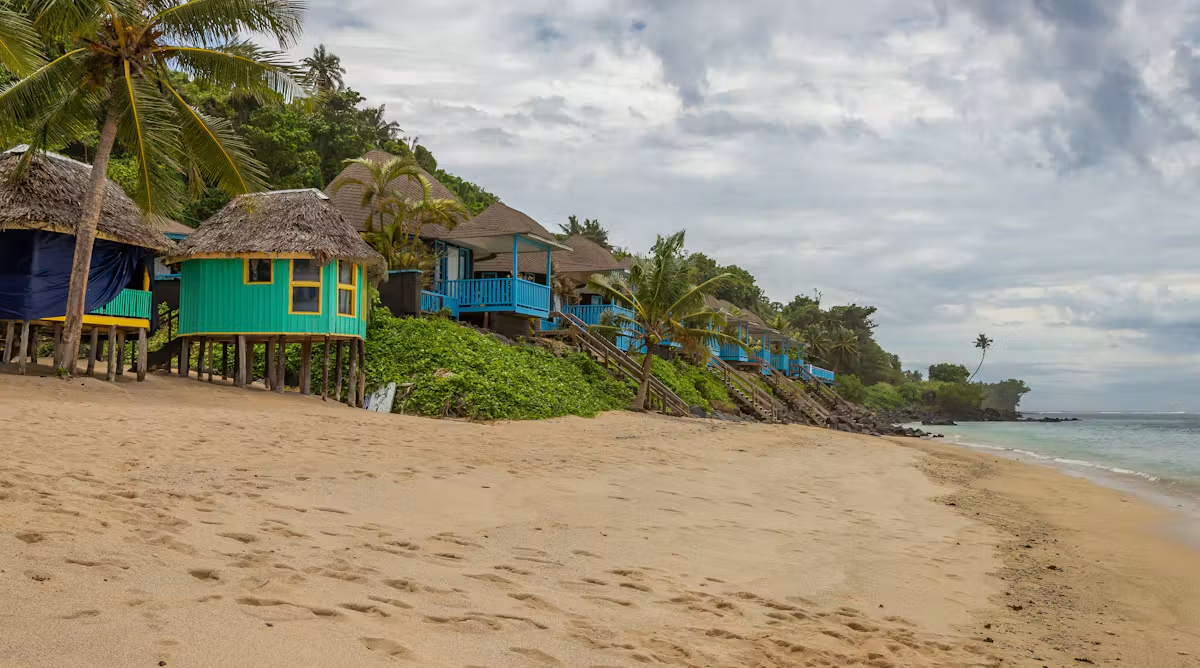
A super El Niño will collide with the 2026-27 South Pacific cyclone season, presenting acute risks for small island nations like Samoa. Sea levels around Samoa have risen by as much as 31 centimeters over the last three decades. Seventy percent of Samoa's population and infrastructure sit in low-lying coastal areas, exposing islanders to greater risk from flooding, more frequent and severe cyclones, and saltwater intrusion that damages crops.
Samoa and 38 other small island developing states struggle to access adequate climate finance to build resilience and adapt infrastructure. Implementation of available climate funding involves long delays and bureaucratic barriers.
The Pacific Resilience Facility, a climate finance mechanism owned and led by Pacific people, launched earlier this year as one example of how wealthier countries might help islands prepare. Wealthy nations could establish a "climate exception" that would make highly vulnerable small islands with higher incomes eligible again for official development assistance, but only for climate resilience projects.
Australia plans to use its presidency of the UN climate summit COP31 to highlight the special circumstances of small island developing states. One priority is improving access to existing flows of already pledged climate cash.