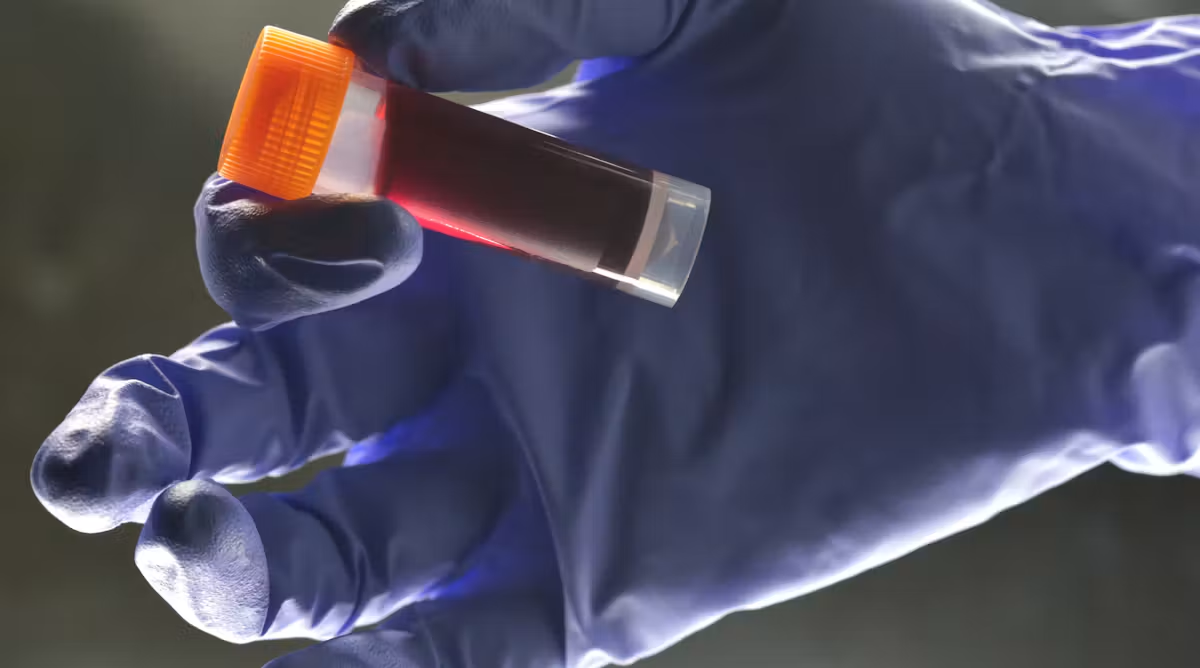
A blood test called Galleri, made by biotech company GRAIL, claims to screen for more than 50 cancers in a single draw. An FDA advisory panel voted 10-0 on September 23, 2026, to recommend approval of the test, though the FDA has not yet made a final decision.
The test looks for DNA fragments in blood associated with cancer by identifying methylation markers and using machine learning algorithms. It can predict which organ a tumor likely originated from with 91% accuracy in one study of 32,000 U.S. adults age 50 and older.
The test has a low false positive rate of 0.5 percent, meaning one in 200 tests incorrectly identifies someone as having cancer. Its positive predictive value was 52 percent across three annual screens, meaning over half of positive results led to an actual cancer diagnosis. Most currently recommended screening tests have positive predictive values below 10 percent.
However, the test has major shortcomings. It detected cancer at all stages in less than 31 percent of cases over three annual rounds, missing 69 percent. The detection rate for early-stage cancers was only 21 percent over three years, meaning almost 80 percent were missed. Cancer is most curable in its early stages.
Most critically, the trial did not show the test reduces the risk of late-stage cancer diagnosis or saves lives. The main goal was to show the test could reduce late-stage cancer incidence over three years of screening, and it failed to do so. One hint suggested Stage 4 cancer incidence was trending lower by year three, but more time is needed to determine whether this represents a true finding and whether it leads to lower death rates.
The FDA advisory panel recommended removing the word "early" from "early cancer detection test" in product labeling, noting uncertainty about the test's benefit to patients at this time.