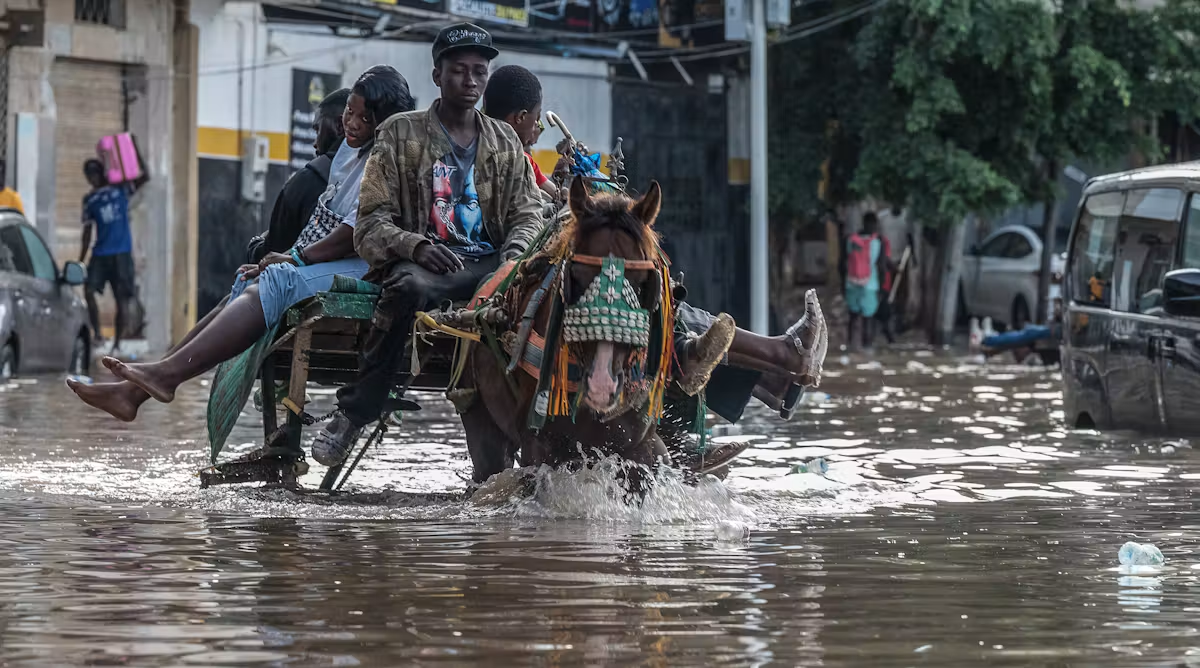
West African countries preparing for COP31 in Türkiye face a challenge in how they measure and fund recovery from climate disasters. Researchers examined ten years of climate policies, adaptation plans, and disaster-management frameworks from Burkina Faso, Ghana, Nigeria, Senegal, and Sierra Leone.
The study found that these five countries recognize costs tied to damaged infrastructure and lost livelihoods. However, they largely overlook losses that cannot be priced. Displacement, cultural erosion, and psychological harm receive minimal attention in official assessments.
When a coastal community relocates due to erosion, new housing addresses immediate shelter needs. But relocation separates people from fishing grounds, family networks, burial sites, and places connected to their history. Similarly, rebuilding a damaged school does not recover months of lost learning or undo longer-term effects on children's opportunities. Disaster assessments may record deaths and physical injuries but give far less attention to grief, anxiety, and the emotional consequences of losing a home or community bonds.
Official assessments shape government priorities, recovery budgets, and requests for international assistance. Losses that remain undocumented are less likely to influence recovery decisions or be included in them.
The five countries address climate-related losses and damages differently, making it unclear which agencies should assess impacts and coordinate support.
The researchers concluded that governments need to clarify who will assess losses, coordinate assistance, and secure financing. Existing climate, disaster management, social protection, and development agencies can include wider forms of loss in their assessments without creating new institutions. Affected communities, local authorities, women's organizations, traditional leaders, young people, people with disabilities, and civil society groups can help identify non-monetary losses that official assessments overlook.
Combining cost assessments with community input would strengthen countries' access to international support from the Fund for Responding to Loss and Damage and the Santiago Network, a UN-backed network that helps vulnerable developing countries access technical assistance.