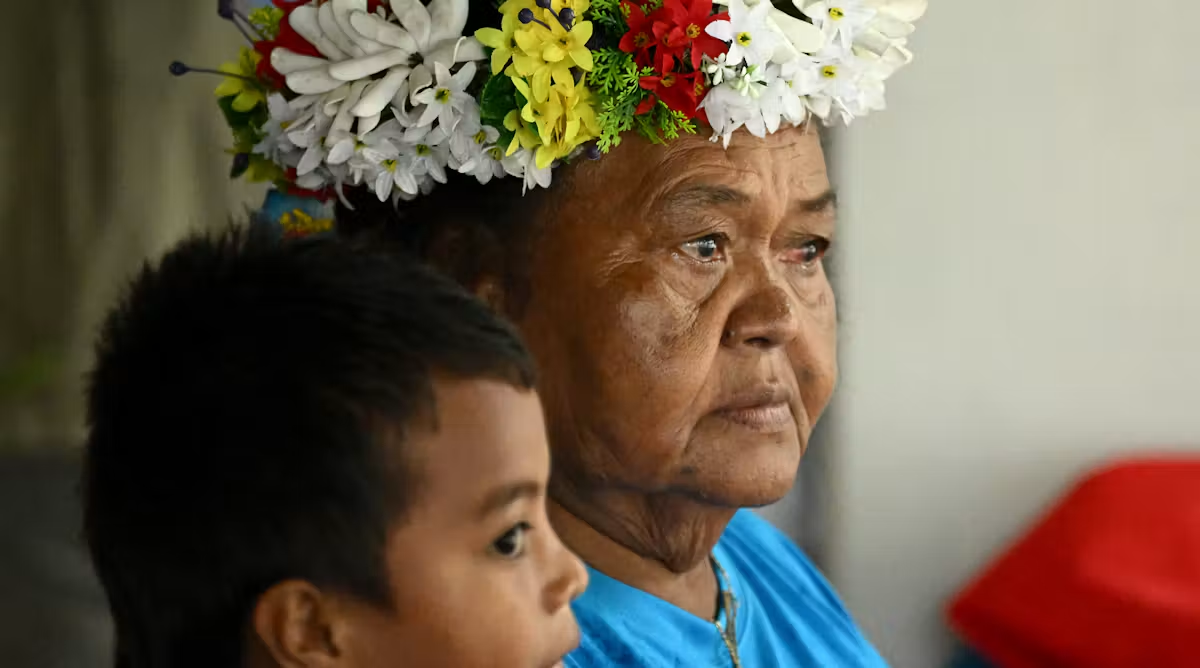
Rising sea levels and warming oceans in the Pacific are contaminating soil and damaging fish stocks, forcing communities to rely on imported food that is calorie-dense but nutrient-poor. This shift has contributed to rising rates of chronic diseases including diabetes and cardiovascular disease in Pacific Island nations.
Women in the Pacific bear the heaviest health burden from climate change. They hold disproportionate responsibility for family care and food and water security. At a pre-COP meeting in Fiji and Tuvalu last month, women reported that replanting crops after extreme weather increases their domestic workload, contributing to exhaustion and mental health problems. Extreme heat is making pregnancy more dangerous for mothers, and women face poorer health outcomes and heightened caregiving responsibilities.
Chronic diseases are the primary cause of death and disability in the Pacific and globally. They account for 87% of deaths in the Western Pacific region, with mortality rates in Kiribati five times those of Singapore. These diseases have been largely absent from the wider COP agenda, according to discussion at the pre-COP meeting.
Tuvalu Prime Minister Feleti Teo stated: "Ensuring that gender and health are fully integrated into climate financing is not just an ambition; it is an urgent necessity for the survival and wellbeing of our island communities."
The Pacific Resilience Facility, a climate finance mechanism led by Pacific people, is funding women-led climate projects such as community water tanks. One village in remote Fiji installed a clean and reliable water supply for US$6,000.
Ahead of COP31 in Turkey, Pacific leaders called for chronic diseases to be included in national climate and health action plans, for climate action to strengthen primary health care, for climate action to be gender-responsive with women in leadership roles, and for accelerated emissions reductions to keep warming at 1.5°C.