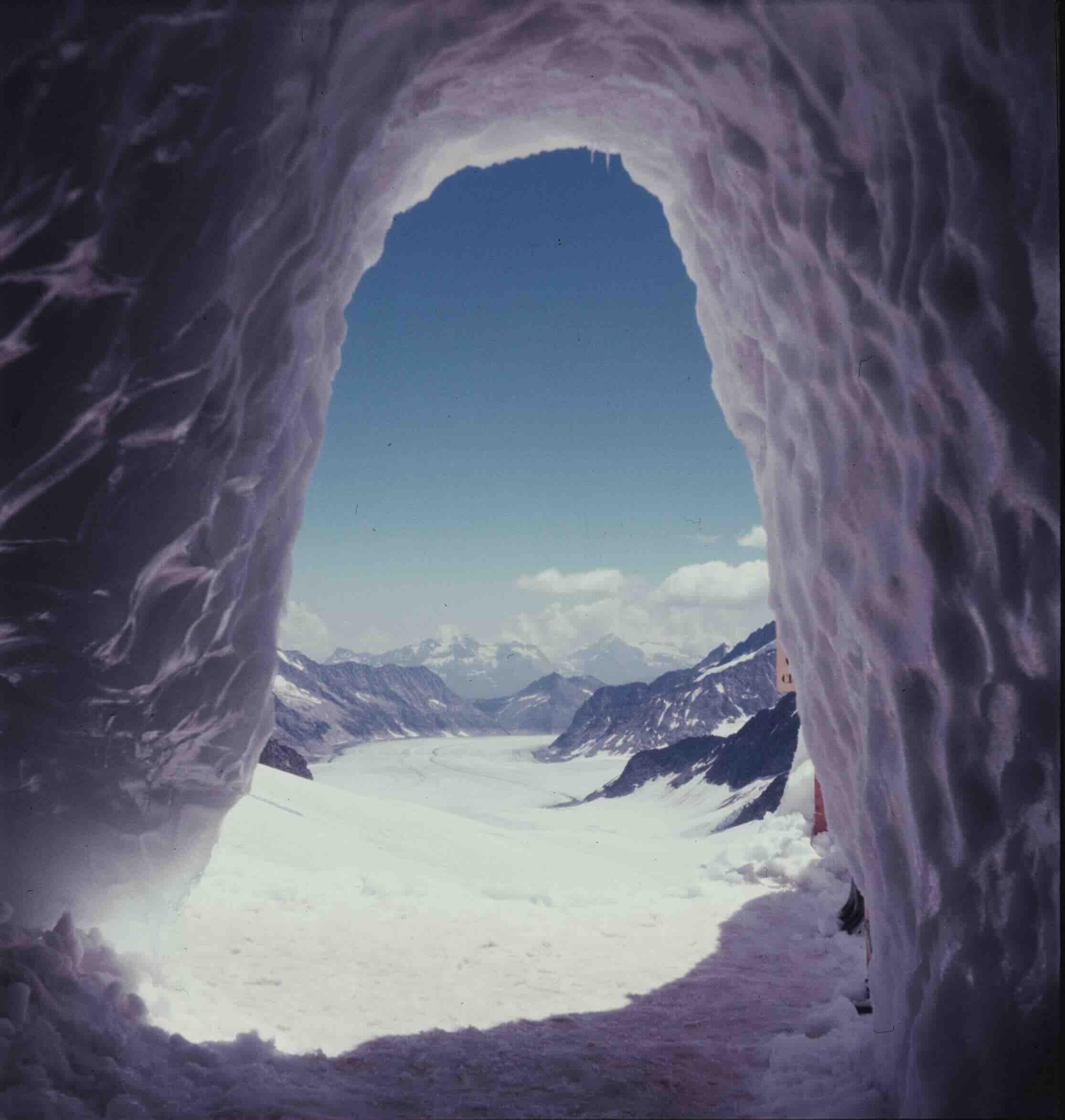
A glacier scientist describes how individual glaciers worldwide face distinct threats and transformations, each shaped by and shaping the communities around them, rather than following a single global story.
The scientist visited Uganda's Stanley Glacier, where ice retreat influences human health and malaria outbreaks; Iceland's Breiðamerkurjökull, where glacier change exacerbates pressures from global tourism; and South Georgia's Heaney Glacier, where retreat has expanded habitat for one of the largest King penguin colonies on Earth. Approximately 275,000 individual glaciers remain worldwide.
Mount St. Helens in Washington state offers a striking example. The volcano's 1980 eruption destroyed 70 percent of the mountain's ice, including the Loowit and Leschi glaciers. That same eruption created conditions for a new glacier to form. Snow repeatedly avalanched into the crater floor, and by September 1996, the accumulated snow and ice began to move, officially becoming a glacier. When Mount St. Helens erupted again in 2004, a lava dome pushed through the glacier itself, the first time scientists observed this phenomenon. The glacier's arms deformed, thickened, and flowed 1 to 2 feet per day. Between 2009 and 2019, it gained 13.8 million cubic meters of ice and advanced more than a thousand feet. Colleagues note the advance is slowing.
A future eruption could melt Crater Glacier and create a lahar, a fast-moving slurry of water, mud, and rock. The 1980 eruption lahars destroyed homes, bridges, and roads.
In Azerbaijan, the picture differs sharply. Between 2000 and 2020, the country lost 77 percent of its total glacier area. Local residents showed little interest in discussing the losses.