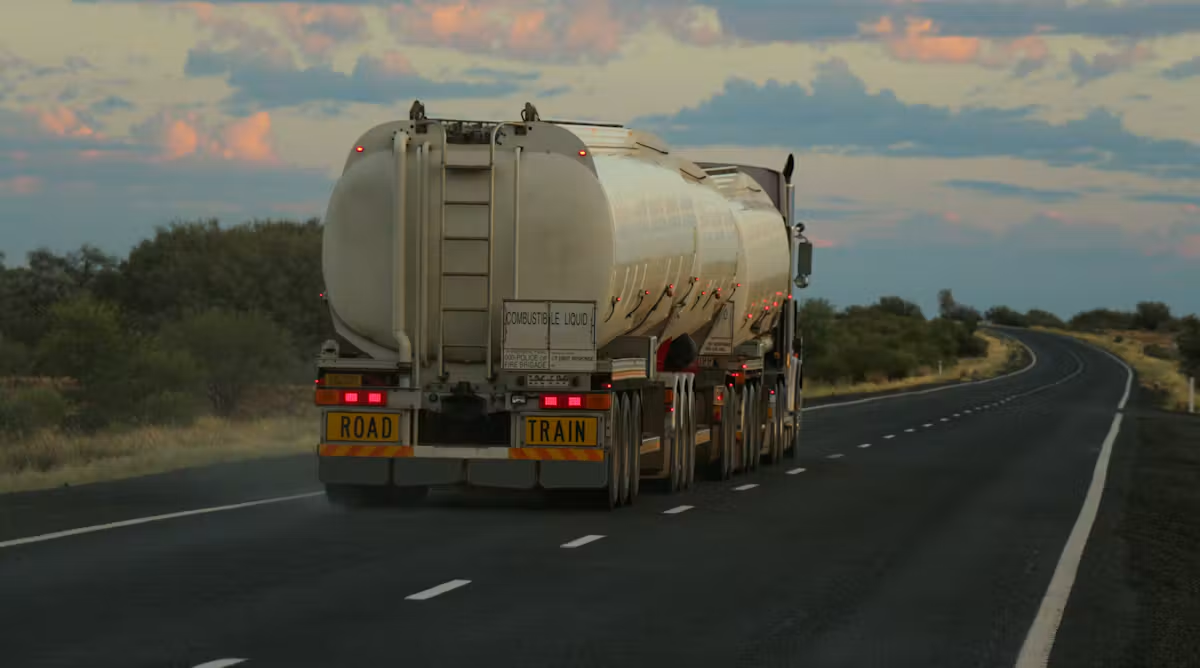
Australia imported around 28 billion litres of diesel last year and is now the world's top importer of seaborne diesel. Diesel prices in Australia reached A$3.20 a litre this year and remain around A$2.79 a litre, nearly a dollar higher than last year.
Between March and August, Australia paid an extra A$9 billion to import diesel compared to historical costs, according to the Climate Council. That amounts to about A$324 per Australian and exceeded spending by any other country.
Supply disruptions stem from two conflicts. The US-Iran war exposed diesel to risk, as Persian Gulf refineries depend on diesel as their biggest export. In February, Iran closed the Strait of Hormuz, blocking most crude and diesel shipments through the region. Ukrainian drone strikes have damaged Russian refineries, which was the world's largest diesel exporter in 2025, shipping about 734,000 barrels a day. By October, Russia supplied just 2% of diesel arriving at ports worldwide, down from 12% the previous year.
Analysis of over 21,000 diesel shipments since January 2025 shows where supply has shifted. The United States now ranks as the world's top diesel exporter, exporting about 50% more diesel between April and October than its 2025 average. Asian refineries, including India's, increased their share of seaborne diesel from 28% to almost 40% by October.
Australia's own supply has been redrawn. South Korea supplied 29% of Australia's diesel imports in 2025 but rose to almost half by October. Australia now buys over a third of all South Korean diesel exports. Indian diesel shipments stopped arriving in July despite official efforts to secure fuel. Australia has maintained steady arrivals of around 488,000 barrels per day between March and October, or about 78 million litres daily.
A deal announced October 9 between President Donald Trump and Russian President Vladimir Putin would lift US sanctions on Russian diesel in exchange for Russia shipping 1.8 million tonnes (13 million barrels) to the United States. The first cargo left October 22. Australia has banned Russian oil imports since 2022, so no Russian diesel will arrive here directly. However, if Russian diesel reaches European and Latin American buyers through the Atlantic, those buyers may compete less for Asian cargoes, potentially easing Australia's supply and prices.
The author notes that Australia's new reliance on South Korean refineries does not reduce vulnerability. South Korean refineries source more than half their crude oil from the Middle East, with about 20% now from the US. Questions remain about US reliability as a supplier. Trump floated a possible diesel export ban in September to address domestic prices before ruling it out in October.
The author calls for Australia to broaden diesel suppliers and rapidly boost storage. Long-term protection requires reducing diesel demand through electrifying buses, delivery trucks, and mining equipment where possible, and using Australian gas where batteries cannot yet perform the job.