# Wind and Solar Insulate UK from Global Gas Price Shocks Worth £5.9bn
Britain avoided importing natural gas worth £5.9 billion since tensions escalated in the Strait of Hormuz, a chokepoint through which roughly one-third of the world's seaborne oil passes. Renewable energy generation from wind and solar farms supplied the electricity that the country would otherwise have sourced from imported liquefied natural gas (LNG), new analysis shows.
The finding underscores a direct financial benefit of Britain's transition away from fossil fuels. When geopolitical crises drive up global gas prices or threaten supply chains, countries dependent on imports face severe economic exposure. The UK, by contrast, generated sufficient wind and solar power to meet demand without tapping volatile international markets.
Carbon Brief conducted the analysis by comparing actual British electricity generation during the Hormuz crisis period against a hypothetical scenario in which the country maintained historical fossil fuel generation ratios. Researchers calculated the price difference between domestic renewable output and the cost of equivalent LNG imports priced at crisis-inflated rates. The £5.9bn figure represents avoided expenditure on energy imports during this window of geopolitical instability.
The Hormuz Strait bottleneck connects the Persian Gulf to the wider world. Disruptions there trigger immediate shocks across global energy markets. When shipping tensions rise or tanker attacks occur, LNG prices spike rapidly. European nations proved particularly vulnerable during recent crises, with spot prices for liquefied gas reaching historic highs. The UK's renewable capacity buffer insulated domestic consumers and industry from this direct exposure.
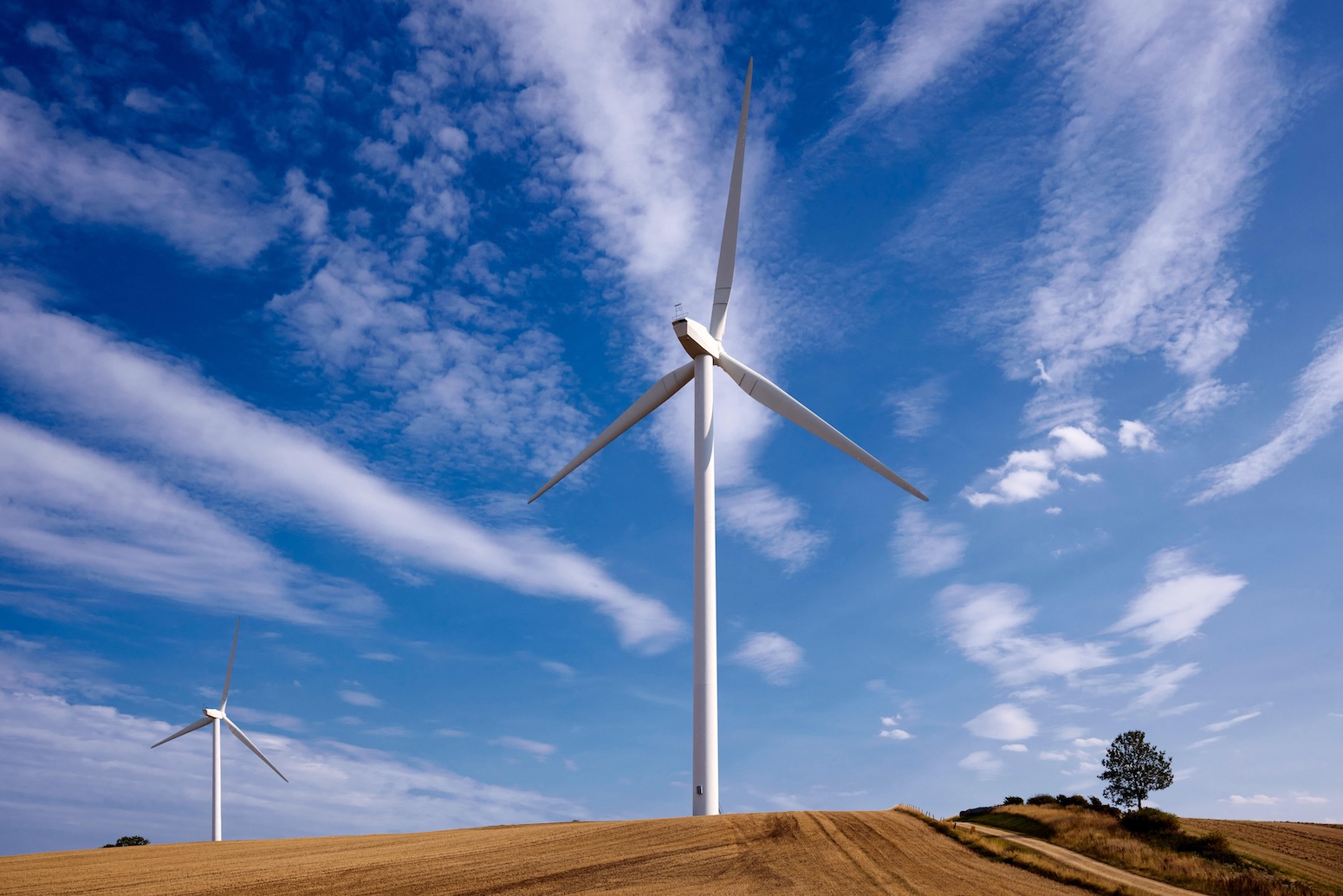
Wind generation contributed the bulk of avoided imports. On any given day, UK offshore and onshore wind farms supply between 30 to 60 percent of national electricity, depending on weather patterns. Solar farms, while smaller in aggregate output, generated steady daytime supply. Together, these zero-carbon sources replaced what would have been expensive emergency gas purchases on global markets.
This analysis arrives as Britain works toward its legally binding carbon budgets. The Climate Change Committee, an independent advisory body, requires the UK to cut emissions by 68 percent by 2030 relative to 1990 levels. Wind and solar capacity must expand further to meet this target. Current government policy supports this expansion through contracts for difference, a mechanism that guarantees renewable developers stable revenues.
The economic case for acceleration strengthens with each geopolitical shock. Beyond the £5.9bn avoided during the Hormuz crisis, renewable capacity reduces long-term exposure to future price volatility. Natural gas markets respond to wars, weather events, and supply chain disruptions. Wind and solar output remains immune to these external pressures once infrastructure is built.
Grid operators must now balance reliability with cost. Higher wind and solar penetration requires investment in battery storage, interconnections with Europe, and flexible gas plants that ramp up or down rapidly. The National Grid Electricity System Operator published network development plans showing these infrastructure upgrades will cost tens of billions of pounds over the next decade. Yet avoided gas imports already demonstrate that renewables generate economic value beyond zero-carbon electricity generation.
Britain's experience offers a template for energy security. Renewable capacity functions as both climate policy and geopolitical hedging. Countries that accelerate wind and solar deployment reduce vulnerability to import price shocks while meeting decarbonization targets.