Fossil pollen from lake sediments shows that Atlantic woodlands once surrounding Lough Neagh in Northern Ireland stabilised soil and reduced erosion. Researchers analysed pollen preserved in layers of sediment from the deepest part of the lake, dating back to periods when forests covered the landscape between 8,000 and 6,000 years ago.
The study tracked levels of Pediastrum, a green alga that indicates soil erosion. When the landscape was bare and open after the last ice age, Pediastrum levels were high. Once Atlantic woodland became established 8,000 years ago, the trees stabilised the landscape by building soil and holding soil infrastructure together. The research shows large-scale native woodland significantly reduces runoff and buffers against droughts and floods.
Forest clearance began when farmers settled in the region over 5,000 years ago. By the early 1600s, the last woodlands were cleared entirely. The removal exposed waterways and made the landscape vulnerable to erosion. After deforestation increased, fertilisers used on farmland increasingly entered Lough Neagh, and Pediastrum levels in sediment samples rose again, showing growing runoff.
Northern Ireland currently retains only 0.04% of ancient woodland, the lowest in the United Kingdom, according to the Woodland Trust.
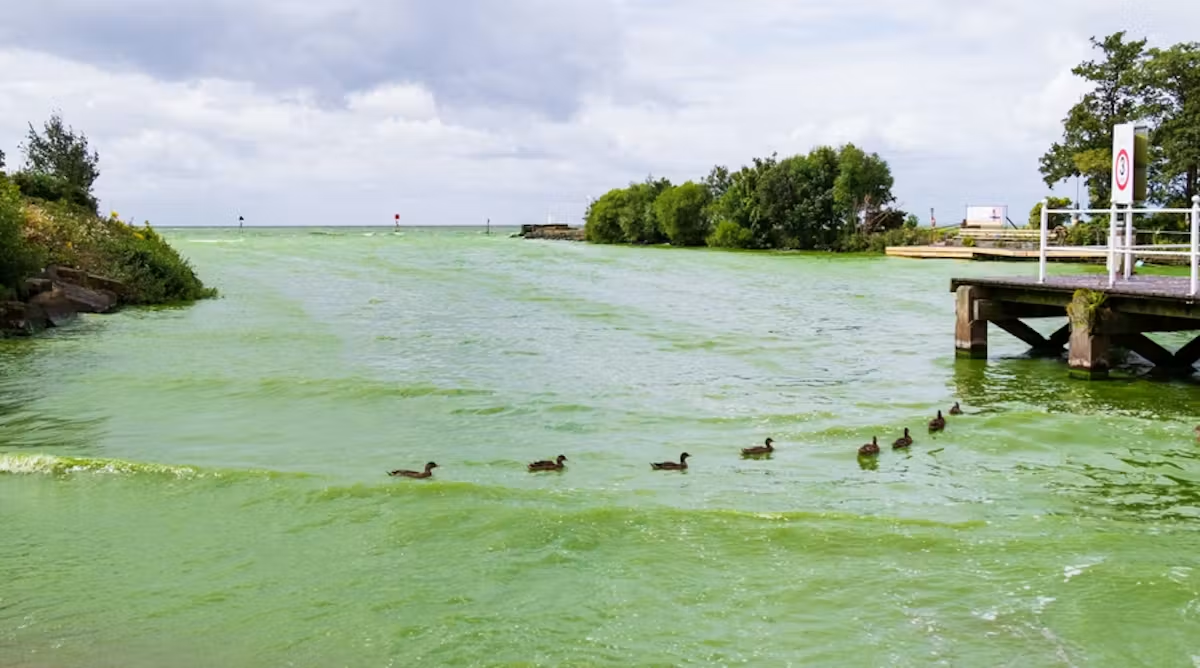
Lough Neagh has experienced toxic blue-green algal blooms and pollution considered severe enough since 2023 that swimming is heavily discouraged and fishing is restricted. Agricultural runoff and sewage from across Northern Ireland contribute to the problem, worsened by the lake's shallow water and warming caused by climate change.
Planting and restoring natural woodlands and hedges with appropriate tree and shrub species should form part of protecting sites vulnerable to runoff and soil erosion, according to the research.