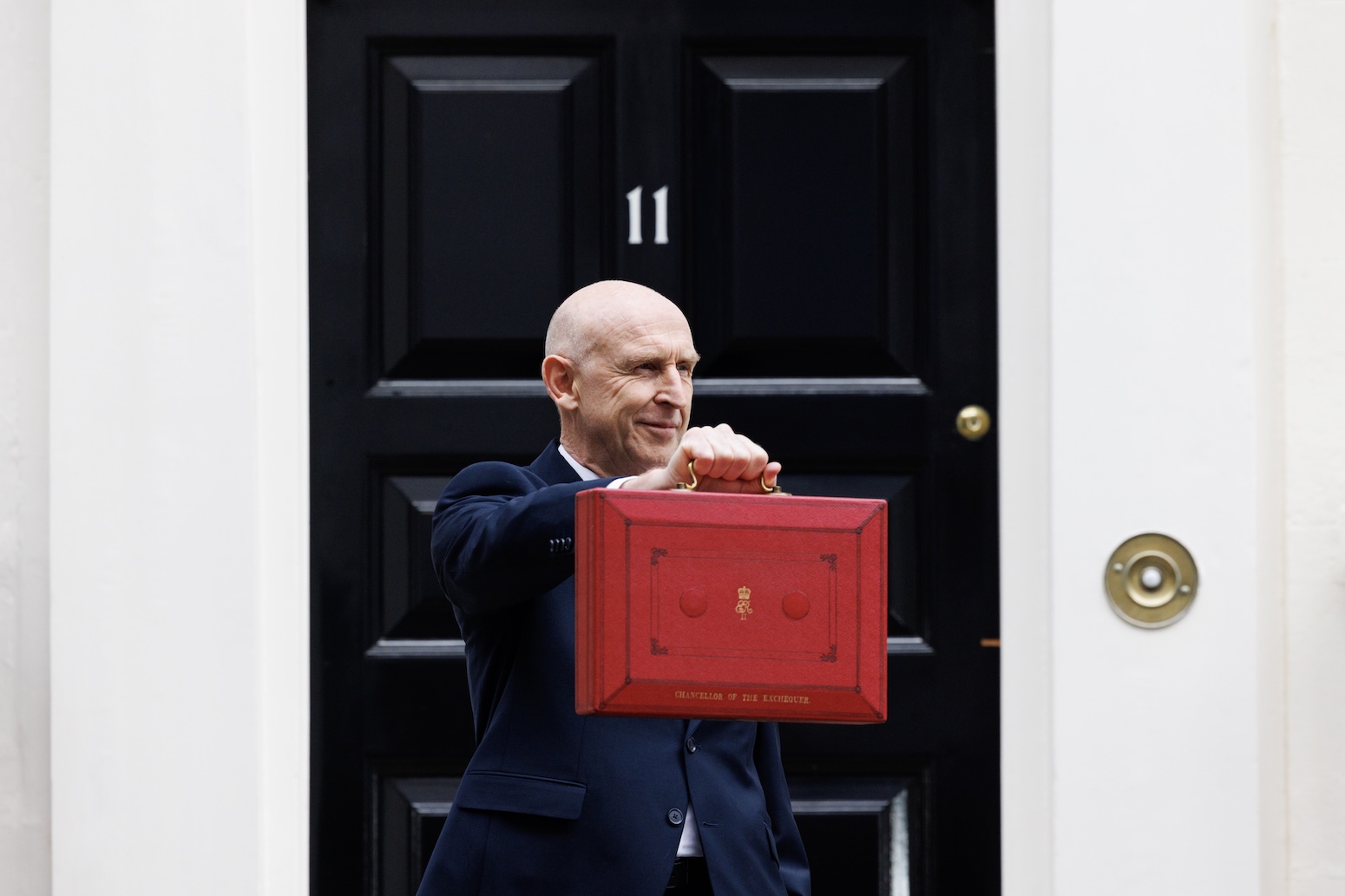
Chancellor John Healey announced a budget prioritizing cheaper energy while maintaining a commitment to net-zero targets. The budget sets out a "radical reform of energy" to reduce bills, framed around breaking dependence on gas.
The Office for Budget Responsibility reported that fossil-fuel prices rose 83% in the year to September 2026. Healey stated the government remains "unshakably committed to net-zero by 2050" but emphasized that "cheaper energy" and "clean power" are now the first priority.
The budget cuts £1bn from the warm homes plan and £700m from hydrogen and carbon capture and storage projects to fund defence spending. It also appears to cut up to £4.7bn more from the warm homes plan, ends zero-rated VAT for solar panels, and extends a 5p fuel duty cut.
Short-term relief measures include a £100 council-tax rebate for English households in bands A-D, costing £2.6bn. The temporary removal of VAT from household electricity bills, worth around £45 per year, extends by three months to July 2027. The government will remove the gas standing charge for around 23 million homes, saving 60% of households an average of £45 per year. A new energy debt circuit breaker will save billpayers £30 by 2030.
The government will consult on market arrangements for gas and welcomed the recent approval of the controversial Jackdaw gasfield as a pragmatic decision for energy security. The Office for Budget Responsibility forecasts assume the Rosebank oilfield will be approved, though no decision has been made.
Going forward, the government commits that no new policy costs will be added to energy bills until a comprehensive cost-control framework is in place at the 2027 spending review. A planned levy on gas bills for low-carbon hydrogen will move into general taxation rather than be charged to consumers.