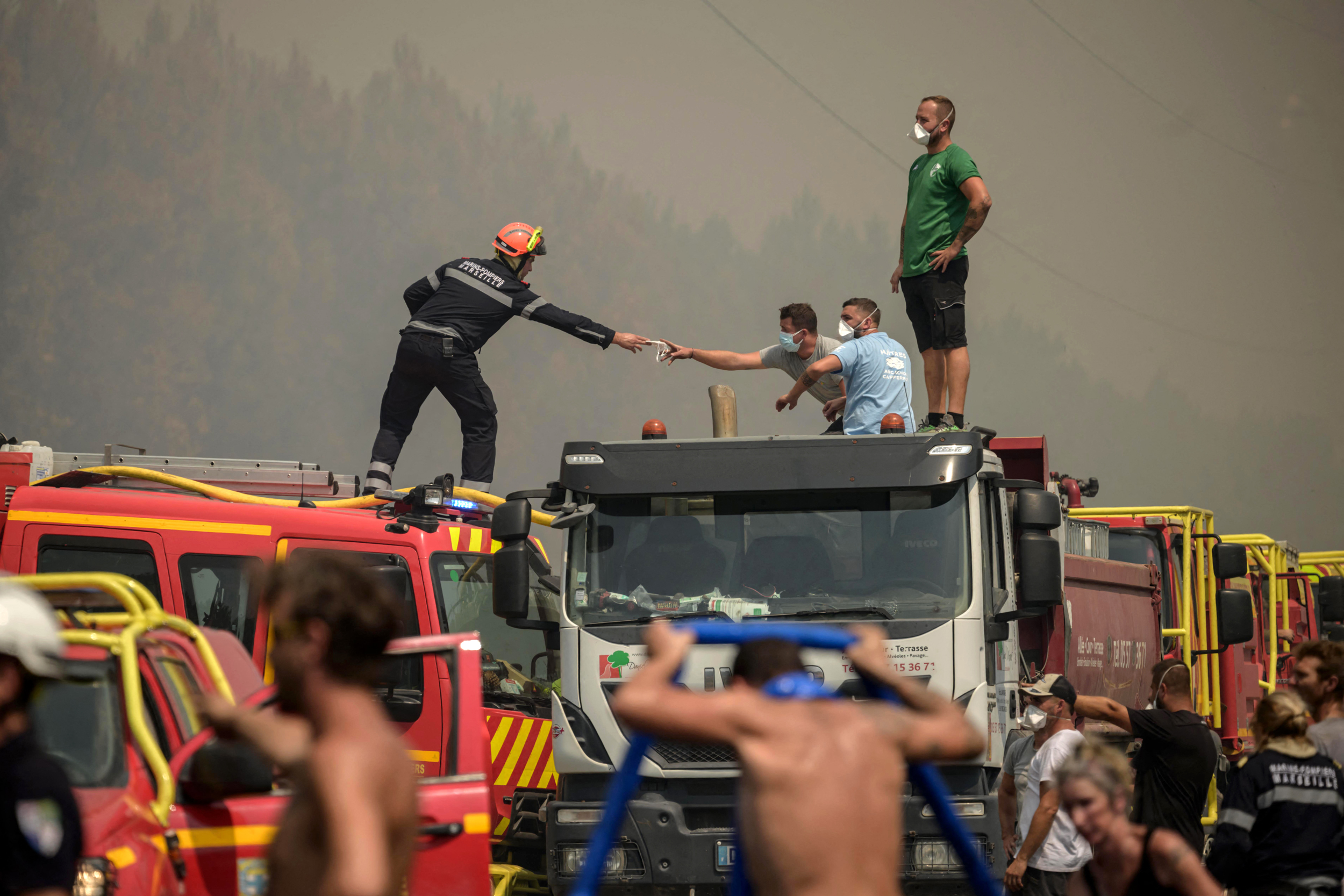
# Wildfires Force Rapid Evacuations as Communities Face Growing Risk
On July 22, Aurélie Filleau and her husband received 10 minutes to evacuate their home in Le Porge, a town near Bordeaux, France, with their children and limited possessions. The family secured their dog during the evacuation but left behind two cats and a parrot.
The evacuation reflects the escalating threat wildfires pose to European communities as fire seasons intensify. Le Porge sits in a region where wildfire risk has grown, forcing residents to make impossible choices about what to save during rapid evacuations.
According to Inside Climate News reporting, intensifying wildfires demand expanded roles for communities in fire preparedness and response. Rather than relying solely on firefighting resources and government emergency services, communities must develop stronger individual and collective resilience strategies.
The article indicates that as wildfires become more frequent and severe, communities need to engage more actively in their own protection. This includes preparing evacuation plans, understanding local fire risks, and building neighborhood coordination systems. The shift reflects a recognition that emergency services alone cannot manage the scale of modern wildfire threats.
The Filleau family's experience demonstrates the real human cost of rapid evacuations. Residents face agonizing decisions about priorities within minutes, often unable to protect all family members or possessions. The incident underscores why community-level preparedness has become essential.
Inside Climate News frames this as a broader pattern affecting multiple regions. As climate conditions continue driving wildfire intensification across Europe and beyond, communities will shoulder increasing responsibility for their own safety and recovery. This responsibility extends beyond individual household preparation to neighborhood cooperation and regional coordination.
The reporting suggests that effective wildfire response requires rethinking how communities organize themselves, prepare residents, and coordinate evacuation procedures. Stronger community engagement represents a critical adaptation as wildfire seasons grow more