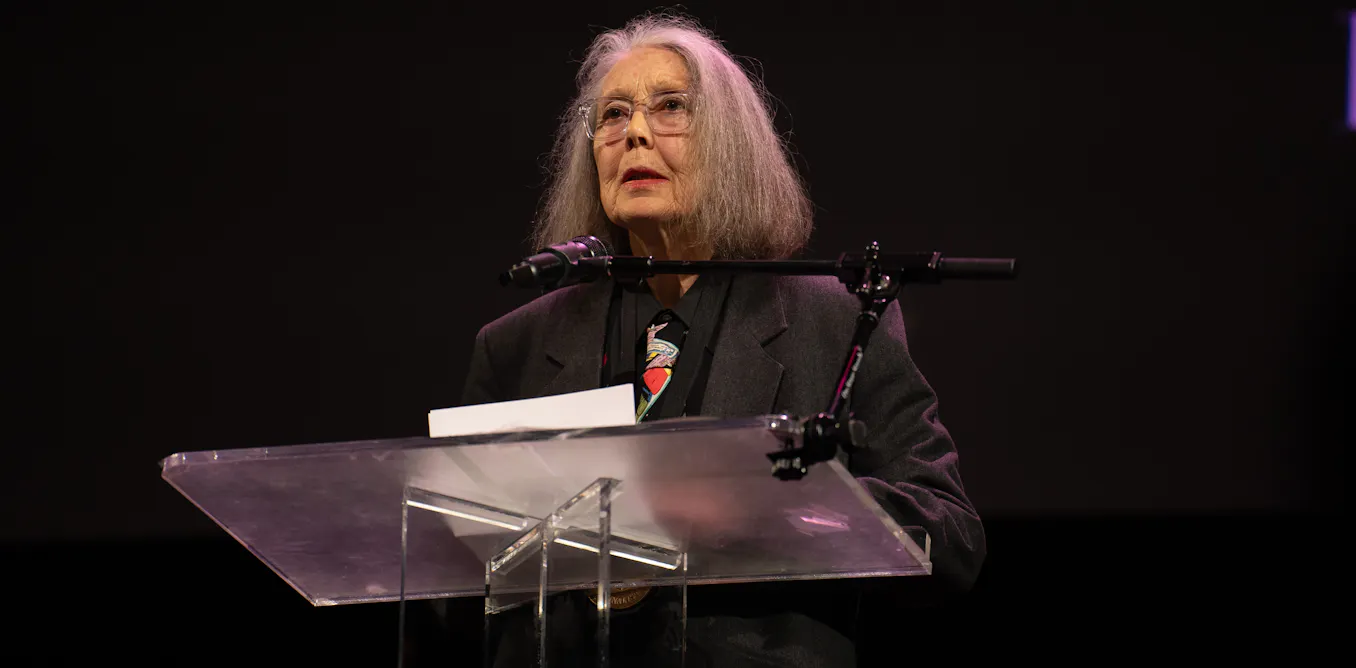
Anne Carson, the 2024 Nobel Prize in Literature winner, has built a career blending ancient Greek texts with modern artistic forms. Her work spans unconventional translation methods, poetry, and collaborations that extend beyond traditional literary boundaries.
Carson's approach to translation abandons conventional presentation. She employs fill-in-the-blank techniques that invite readers into the interpretive process rather than offering complete, polished renderings of ancient works. This strategy reflects her broader artistic philosophy of making classical material accessible and relevant to contemporary audiences.
Beyond written work, Carson has ventured into music and performance. She has made guest appearances on indie rock albums, demonstrating her willingness to experiment across genres and mediums. These collaborations position ancient Greek literature within modern cultural contexts, breaking down barriers between high literature and popular art forms.
Her Nobel Prize recognition highlights a shift in how the prize committee values literary innovation. Carson's genre-defying approach challenges traditional definitions of what literature encompasses. Rather than adhering to single disciplinary boundaries, she moves fluidly between translation studies, poetry, performance, and music.
The Nobel Committee's selection of Carson underscores the contemporary relevance of classical studies when approached creatively. Her work proves that ancient Greek literature remains vital not through straightforward scholarly presentation but through experimental reimagining. By treating antiquity as a living conversation rather than historical artifact, Carson has demonstrated how classical texts speak directly to modern concerns and experiences.
Her career trajectory reveals how artists can honor source material while fundamentally transforming its presentation. This balance between respect for tradition and radical innovation characterizes her most celebrated contributions to contemporary literature.