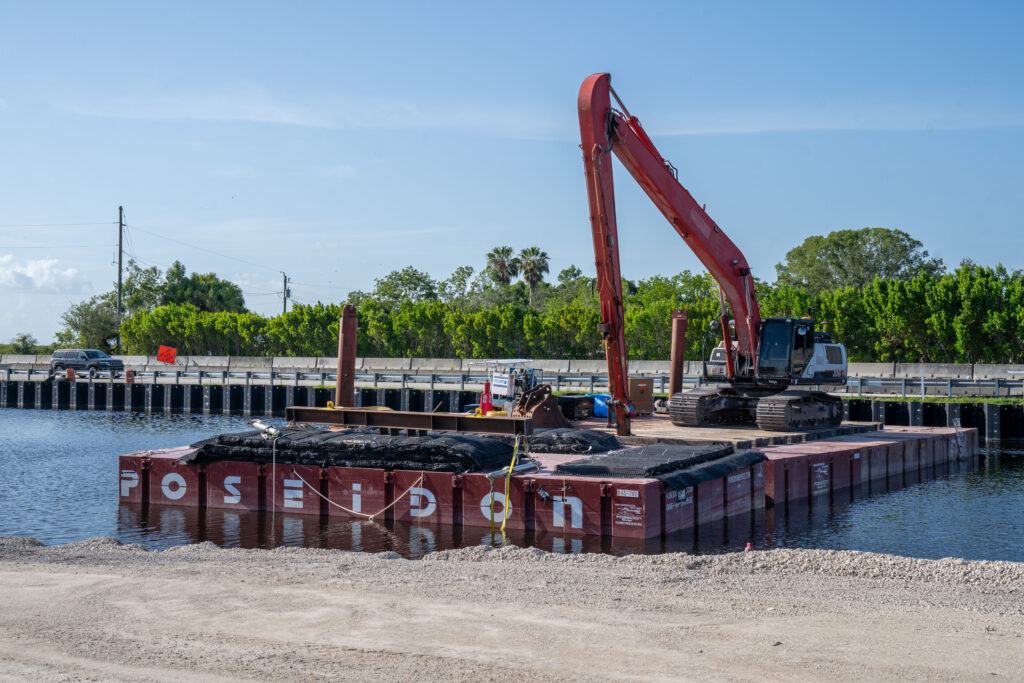
Florida's flagship Everglades restoration project will prove insufficient to reverse decades of ecological decline, according to a report from Friends of the Everglades released this week.
Governor Ron DeSantis has promoted the Lake Okeechobee reservoir project as the "crown jewel" of state restoration efforts. The massive water storage facility under construction south of the lake aims to capture rainfall and reduce damaging freshwater discharges into estuaries. Yet the advocacy group's analysis concludes the reservoir alone cannot meet the Everglades' restoration requirements.
The Everglades ecosystem faces multiple, overlapping crises. Agricultural runoff loaded with nitrogen and phosphorus triggers algal blooms that choke waterways and kill fish. Urban development fragments wildlife habitat. Sea level rise saltwater intrusion threatens freshwater aquifers. Mismanaged water releases from Lake Okeechobee harm both the ecosystem and nearby coastal communities. The reservoir addresses only one component of this complex problem.
Friends of the Everglades argues state and federal officials must expand restoration beyond the single infrastructure project. The group's report calls for additional storage capacity, changes to water release protocols, agricultural practices reform, and expanded land acquisition in the region. The Everglades spans 1.5 million acres across South Florida, serving as critical habitat for Florida panthers, manatees, and hundreds of bird species.
The reservoir project itself carries substantial costs and carries no guarantee of ecological success. Construction requires precise engineering to manage water quality, prevent contamination, and maintain ecosystem health during operation. Experts warn that without coordinated action across multiple policy domains, storage capacity gains may deliver only incremental improvements.
Federal and state agencies have committed substantial resources to Everglades restoration over the past two decades. The Comprehensive Everglades Restoration Plan, authorized by Congress in 2000, outlines dozens of projects across South Florida. Implementation has proceeded slowly, constrained by budget limitations and complex coordination requirements among water management districts, environmental agencies, and agricultural interests.
The report emerges as Florida faces increasing pressure to address environmental degradation. Tourism dependent on healthy natural systems generates billions annually. Meanwhile, agricultural operations around Lake Okeechobee employ thousands and generate substantial economic output. Any comprehensive restoration strategy must navigate these competing interests.
Climate change compounds restoration challenges. Rising temperatures accelerate evaporation from shallow water bodies and increase drought severity during dry seasons. Higher baseline sea levels reduce freshwater retention and amplify saltwater intrusion into inland areas. Extreme precipitation events from intensifying storms stress water management infrastructure.
DeSantis administration officials have positioned the reservoir project as evidence of state leadership on environmental protection. The project received state funding and federal support through CEARP appropriations. Yet environmentalists contend that political credit for single projects obscures the need for systemic change across water management, agriculture, and development policy.
Friends of the Everglades represents one voice among competing stakeholders. Agricultural interests, water management agencies, and municipal governments all shape restoration policy. The report signals growing tension between incremental infrastructure improvements and advocates demanding more aggressive ecosystem protection.
The Everglades restoration debate reflects broader national questions about environmental protection and economic development. Florida's experience offers lessons for other states managing complex ecosystems under development pressure and climate stress. How policymakers balance competing demands will determine whether restoration succeeds.