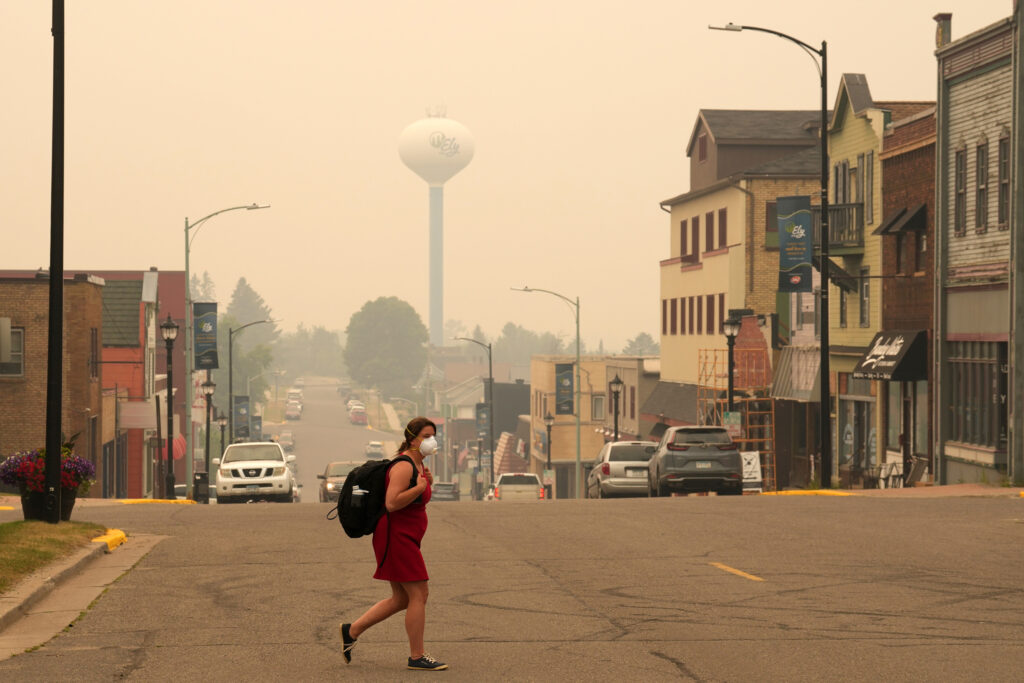
# Wildfire Risk Rising in Midwest as Drought and Heat Compound Forest Vulnerability
A severe storm swept across northern Minnesota on July 6, igniting fires in the Boundary Waters Canoe Area Wilderness, a region long considered protected from the extreme wildfire threat that has ravaged western states. The boreal forest there, dominated by balsam fir, spruce, and pine, carried dangerously low moisture levels after a flash drought and unusually warm temperatures desiccated the landscape. This event signals a troubling shift: the Midwest is losing its historical exemption from wildfire risk.
For decades, the eastern United States enjoyed relative protection from catastrophic wildfires, protected by higher humidity, more frequent precipitation, and cooler average temperatures. Western states absorbed the bulk of America's fire burden. That geography is changing. Climate data shows the Midwest has experienced increasing temperatures and more severe drought periods in recent years, conditions that transform forests from fire-resistant ecosystems into tinderboxes.
The Boundary Waters fire illustrates a cascade of physical factors now aligning to create danger. Flash droughts, brief but intense dry periods, leave trees moisture-starved faster than their physiology can adapt. When these events follow warm springs and summers that have already stressed vegetation, cumulative dehydration creates ideal fuel conditions. A single ignition source, whether lightning or human activity, finds ready kindling.
Research from the University of Minnesota and other institutions has documented shifts in forest composition and fire behavior across the region. The boreal forest species composition that evolved under cooler, wetter conditions now faces stress regimes their genetics did not anticipate. Coupled with longer fire seasons caused by earlier spring warming and delayed fall precipitation, the region's forests face novel threats.
Federal and state agencies have begun adjusting their preparedness posture. The U.S. Forest Service expanded fire monitoring protocols in the Boundary Waters and similar sensitive areas. Minnesota's Department of Natural Resources increased controlled burn programs to reduce fuel loads, though this work remains limited by funding and the complexity of burning in populated landscapes. Local fire departments in rural Minnesota communities report they lack equipment and training designed for large-scale forest fires, assets standard in the West for decades.
The economic and ecological stakes run high. The Boundary Waters Canoe Area Wilderness generates approximately $65 million annually in tourism spending and serves as critical habitat for timber wolves, moose, and migratory birds. Catastrophic fires there would reshape regional economies and disrupt ecosystems that have remained relatively stable since the last major fires of the early twentieth century.
Climate models project the trend will intensify. By mid-century, the Midwest could experience fire seasons comparable to what the Mountain West endures today, with longer dry periods and hotter temperatures during critical growing months. States from Michigan to Wisconsin to Minnesota are developing regional wildfire response strategies, though coordination remains inconsistent and funding gaps persist.
The July 6 storm near the Boundary Waters, then, represents more than one incident. It marks the arrival of western fire dynamics in a region unprepared for them, accelerated by warming temperatures and changing precipitation patterns. The Midwest's long-held assumption of relative safety from wildfire no longer holds.