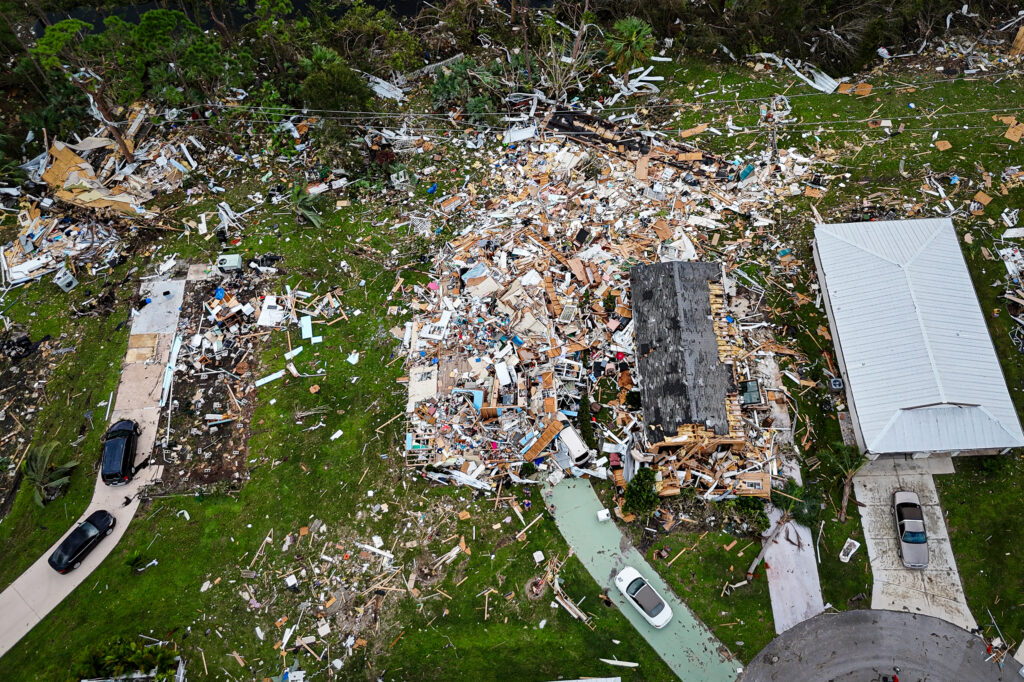
# Super El Niño Conditions Threaten Florida's Most Vulnerable Housing Stock
A strengthening El Niño pattern is setting the stage for severe weather across Florida, yet hundreds of thousands of residents living in mobile homes and manufactured housing remain exposed to catastrophic risk. The pattern echoes a deadly precedent from 1998, when a tornado outbreak killed 42 people, nearly all of them in mobile homes around Kissimmee.
El Niño conditions alter atmospheric circulation patterns across the tropical Pacific, shifting jet streams and storm tracks. The National Oceanic and Atmospheric Administration tracks these events on a severity scale. A "super" El Niño, the strongest classification, amplifies rainfall, wind, and severe weather potential across vulnerable regions. Florida sits in the direct path of these amplified impacts.
The state's mobile home population faces disproportionate exposure. An estimated 400,000 Floridians live in manufactured housing, concentrated in rural and exurban areas where land costs remain low. These structures, designed for portability rather than durability, provide minimal protection against tornadoes, intense rainfall, and storm surge. Building codes for manufactured homes lag behind standards for site-built housing. Wind speed tolerances differ markedly. Anchoring systems often deteriorate without regular maintenance.
The 1998 Kissimmee tornado outbreak remains a stark warning. On February 22 that year, a squall line spawned multiple tornadoes across the region during a strong El Niño year. Forty-two deaths occurred. The death toll reflected both the intensity of the storms and the vulnerability of the housing stock. Mobile home residents had seconds to seek shelter in structures offering minimal protection from rotating winds exceeding 100 miles per hour.
Federal disaster data shows mobile home residents face mortality rates 10 times higher than occupants of site-built homes during comparable tornado events. The disparity persists despite decades of awareness. Manufactured housing communities often lack community shelters. Evacuation routes clog during simultaneous events. Insurance costs for mobile home dwellers exceed those for traditional homeowners, creating economic barriers to adequate coverage and reinforcement.
Climate pattern shifts add urgency. El Niño conditions favor increased tornado activity across the Southeast, particularly in February and March. As atmospheric conditions strengthen with the developing super El Niño, meteorologists expect enhanced instability and wind shear across Florida. The National Weather Service has issued advisories about elevated severe weather potential through the spring months.
State and local governments have not substantially upgraded shelter infrastructure in mobile home parks since 1998. Community tornado shelters remain scarce. Most manufactured housing communities rely on residents sheltering in place, a strategy that provides minimal protection. Federal funding for mobile home park improvements has declined in recent years.
Advocacy groups, including the National Manufactured Housing Council, have pushed for stronger building codes and shelter requirements. The effort faces resistance from manufacturers citing cost concerns and from park owners balancing capital expenditure against affordability. Florida legislators have proposed shelter funding but have not allocated resources matching the scale of exposure.
As El Niño intensifies, the gap between hazard and preparation widens. Residents in the path of developing storms possess the same structural vulnerability as those in 1998. Without rapid shelter infrastructure expansion and building code enforcement, Florida's most economically vulnerable populations remain at acute risk when severe weather arrives.