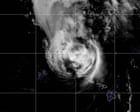
Hawaii's geographic isolation in the central Pacific has historically spared the islands from the full force of hurricane season. Ocean currents and atmospheric patterns typically steer tropical cyclones away from the archipelago. That protection eroded this summer as Hurricanes Lowell and Lala struck the islands in rapid succession, leaving behind downed trees, destroyed infrastructure, sunken boats, and damaged piers across Kauai and other islands.
The shift reflects a broader climate pattern reshaping Pacific hurricane behavior. Sea surface temperatures in Hawaiian waters have climbed substantially, a trend linked to warming ocean conditions globally and the 2023-2024 El Niño episode that persisted into early 2024. Warmer waters fuel hurricane intensification and can alter steering patterns that have historically guided storms away from the islands.
Lowell approached Kauai in early September 2024 as a major hurricane, delivering tropical storm-force winds and heavy rainfall across the northwestern islands. Lala followed weeks earlier in the summer, delivering its own damaging impacts. The back-to-back strikes highlighted a vulnerability many Hawaiian residents had grown accustomed to not facing. Power outages swept across multiple islands. Roads buckled and eroded. The marine infrastructure at small harbors sustained severe damage.
The National Weather Service and the Pacific Tsunami Warning Center tracked both storms as they approached the islands, issuing warnings that prompted emergency preparations. Yet the physical preparation infrastructure in Hawaii remains calibrated for the lower-threat environment that prevailed for decades. Building codes, drainage systems, and coastal defenses reflected the historical rarity of direct hurricane impacts.
Ocean temperatures surrounding Hawaii typically cool during the winter months and remain moderate during summer. This year's anomaly reflects both long-term warming trends and the transient effects of El Niño, which warmed equatorial Pacific waters and altered jet stream positioning. The combination created conditions more favorable for tropical cyclone formation and track changes that brought storms toward the islands rather than deflecting them westward toward the Western Pacific or northward toward California and the mainland.
Climate scientists warn that warming ocean temperatures will incrementally shift hurricane probabilities across the Pacific basin. Even small changes in average sea surface temperature increase the likelihood of rapid intensification and alter the steering mechanisms that deflect storms. Hawaii sits at the boundary of traditional hurricane zones. As baseline temperatures rise, the statistical likelihood of direct hits increases proportionally.
The damage tallies from Lowell and Lala will inform future infrastructure planning. State officials are reassessing building standards, emergency response protocols, and coastal defense strategies. Insurance costs for Hawaii properties may rise as underwriters adjust risk models based on the changed threat profile.
Residents now confront a new reality. The quiet hurricane seasons that defined recent decades may not persist. Stronger, warmer oceans create the conditions for more frequent Pacific cyclone impacts on the islands. Infrastructure upgrades and disaster preparedness will require significant investment. The historical luck that protected Hawaii from severe hurricane damage no longer offers reliable protection.