# Trump Administration Fast-Tracks Arctic Drilling Plan
The Trump administration announced a new proposal to accelerate oil and gas drilling across the Western Arctic by shortening environmental review processes and limiting public input periods. The initiative targets pristine wilderness areas and subsistence hunting grounds used by Alaska Native communities.
The administration aims to compress regulatory timelines before Trump leaves office, potentially opening vast tracts of Arctic land to industrial development with minimal consultation. This follows a pattern of expedited permitting that characterizes the current administration's energy policy approach.
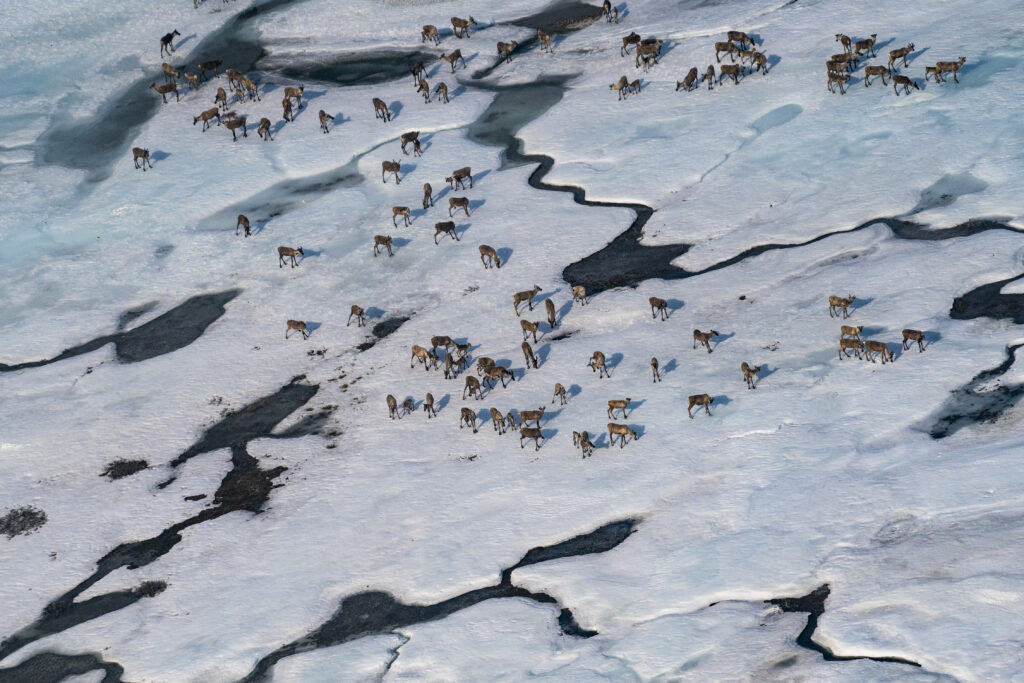
Alaska Natives face direct threats from this expansion. Subsistence hunting and fishing form the economic and cultural foundation of many indigenous communities throughout the region. Caribou migration routes, marine mammal habitats, and fish spawning grounds would face disruption from infrastructure development, well pads, and transportation corridors necessary for oil and gas extraction.
The proposal raises stakes for the Arctic's fragile ecosystems. The region contains some of North America's most intact tundra and coastal environments. Infrastructure development triggers permafrost thaw, releases methane deposits, and fragments wildlife habitats already stressed by warming temperatures. Arctic sea ice loss accelerates climate warming globally through reduced surface albedo, a feedback loop that oil extraction would worsen rather than mitigate.
Environmental groups and Alaska Native organizations oppose the measure. The Inuit Tapiriit Kanatami and other indigenous-led organizations stress that accelerated drilling without proper environmental assessment violates consultation agreements and ignores climate commitments. Oil exploration in the Arctic carries exceptional risks given extreme conditions, difficult rescue operations, and the region's sensitivity to spills.
The economic case remains weak. Global oil markets show declining demand for new Arctic production. International energy companies have retreated from Arctic projects due to cost escalation, technical challenges, and climate-related business risk. Yet the administration prioritizes Arctic leasing as part of a broader "energy dominance" strategy emphasizing domestic fossil fuel production over transition planning.
Public comment periods would shrink under the proposal. Environmental Impact Statements normally require 45 to 90 days for public review and response. The administration's plan would compress these periods, limiting opportunities for affected communities and conservation groups to submit formal objections or alternative analyses.
The Bureau of Land Management oversees much of the affected land. Any final rule change would emerge from that agency, though the proposal originates from political directives. Alaska's state government remains split on Arctic development, with oil industry supporters in some sectors and conservation advocates in others seeking protection.
Timing matters. Congressional interest in Arctic protection has waned under Republican control. Environmental regulations face review under executive orders already signed, creating administrative pathways for streamlined permitting without new legislation.
The Arctic remains one of Earth's last intact wilderness regions. Oil development there locks in decades of additional fossil fuel extraction in an era when climate science demands rapid emissions reductions. This proposal accelerates that trajectory at the expense of indigenous rights, ecosystem integrity, and climate objectives.