# Maryland Faces Growing Backlash Over Data Center Expansion
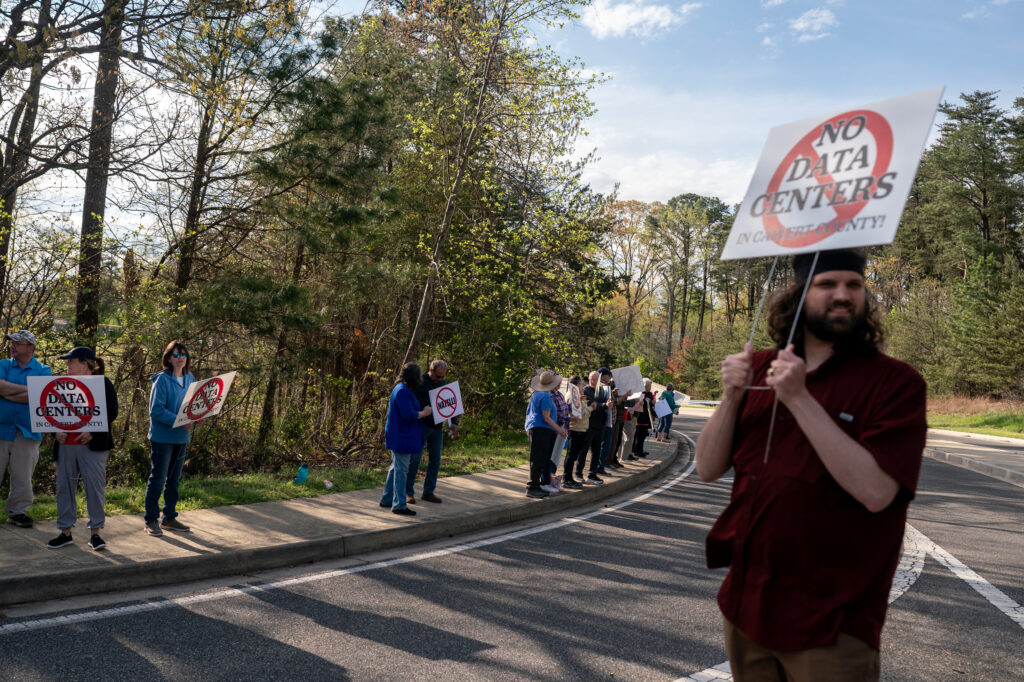
More than 60 advocacy groups across Maryland are demanding a statewide moratorium on new data center proposals, citing insufficient environmental review and community impact assessments. The coordinated push reflects escalating local opposition that has already prompted 14 of Maryland's 24 jurisdictions to impose their own development freezes.
The groups want state legislators in Annapolis to enact a temporary halt on approving new facilities until comprehensive policies address environmental and community concerns. This represents a significant shift in Maryland's relationship with the data center industry, which has historically moved quickly through approval processes with minimal local scrutiny.
Data centers consume enormous quantities of electricity and water. Maryland's abundant energy supply and proximity to major population centers on the East Coast made the state attractive to technology companies seeking server farm locations. However, the facilities strain regional water resources, generate substantial heat emissions, and concentrate infrastructure in ways that alter local land use patterns and property values.
The local moratoriums predate the statewide advocacy push. When counties and municipalities implemented development freezes independently, they effectively created a patchwork regulatory landscape that complicated investor planning. This local-level resistance has now consolidated into organized pressure on state policymakers to establish uniform guardrails before approving additional projects.
Specific concerns cited by advocacy groups include inadequate environmental impact analysis, insufficient water availability assessments in drought-prone regions, and limited community benefit agreements. Groups have raised questions about whether Maryland's existing regulatory framework adequately protects groundwater, surface water supplies, and air quality from cumulative data center operations.
The data center industry argues that Maryland benefits economically from hosting these facilities through job creation and tax revenue. Technology companies have pledged investments in local infrastructure and workforce development. However, advocacy groups contend that long-term environmental costs to communities outweigh short-term economic gains, particularly when impacts fall disproportionately on neighborhoods with fewer resources to absorb infrastructure stress.
The push for a moratorium reflects broader national tensions around data center siting. As cloud computing demand grows and artificial intelligence applications multiply, companies need new server capacity. States and regions compete aggressively to attract facilities by offering tax incentives and streamlined permitting. Yet host communities increasingly question whether existing environmental and zoning laws adequately protect local interests.
Maryland legislators face pressure from multiple directions. Technology industry groups and economic development agencies lobby for continued expansion. Meanwhile, local elected officials report constituent demands for environmental protection and deliberate planning processes. The state's Energy Administration and Department of the Environment will play central roles in any statewide policy development.
A temporary moratorium would allow time for comprehensive environmental impact studies, water availability modeling, and community engagement processes. It would also give the state opportunity to develop data center siting guidelines that balance energy infrastructure needs with environmental stewardship. Without new policies in place, individual local moratoriums may persist indefinitely, creating uncertainty for developers and complicating the state's energy strategy.
The outcome will influence how other states handle data center expansion in an era of rising computational demand and climate vulnerability.