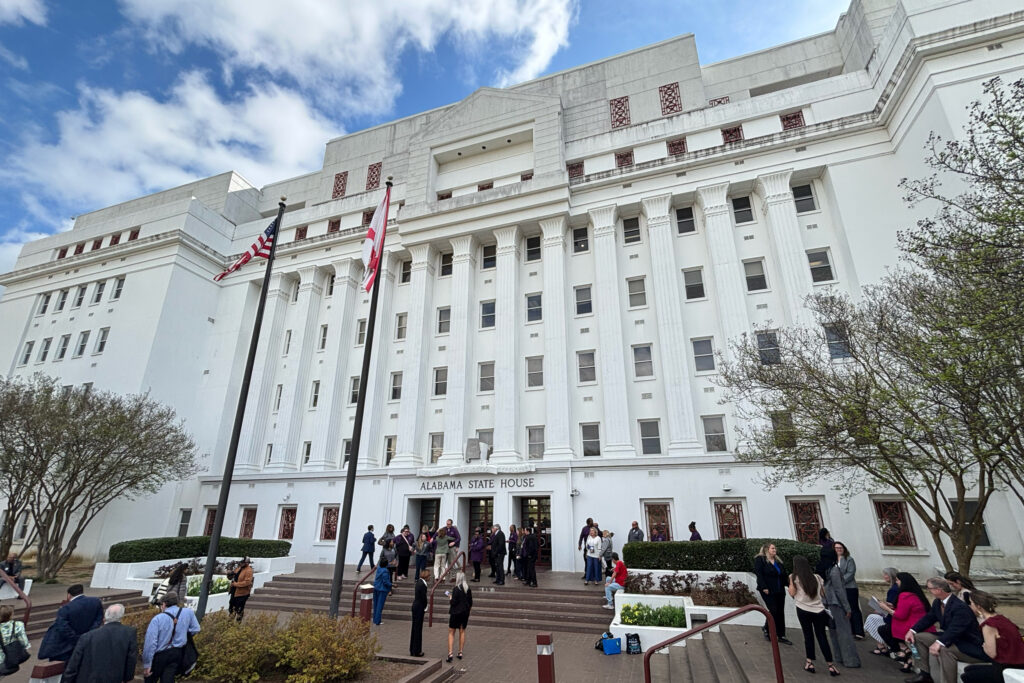
# Alabama Legislature Stalls on Power Company Regulation as Utility Blocks Rate Reform
A confrontation over Alabama Power's influence on state energy policy froze in place as lawmakers departed for spring break during the 2026 legislative session, leaving landmark legislation aimed at constraining the utility's profits unresolved. The pause represents a critical moment in efforts to restructure how Alabama regulates its dominant power company.
Inside Climate News reports this as the seventh installment in an investigation into Alabama Power's reach over electric rates, renewable energy development, pollution standards, and state political outcomes. The reporting identifies a pattern where the utility has shaped regulatory outcomes and legislative agendas across multiple policy domains.
The timing of spring break interrupted momentum for reform proposals that would have placed new restrictions on utility profitability. Lawmakers acknowledged before the recess that action on the legislation remained necessary. The departure suggests either tactical delay or operational gridlock. No reporting indicates whether utilities lobbied for the break, but Inside Climate News has documented Alabama Power's historical effectiveness at influencing legislative timelines on issues affecting its bottom line.
Alabama Power operates as a near-monopoly in the state's electricity market. This structure concentrates pricing power in a single company that faces limited competitive pressure. The utility's rate-setting process involves the Alabama Public Service Commission, which oversees tariff approvals. Inside Climate News has previously documented instances where Alabama Power shaped commission decisions and legislative statutes governing utility regulation.
The unresolved legislation carries stakes across multiple environmental and consumer domains. Rate structures affect how quickly rooftop solar and other distributed renewable energy resources can penetrate the market. Alabama Power historically resisted distributed generation, citing grid stability concerns and revenue protection. Tighter profit caps or rate-of-return limits could accelerate renewable deployment by making those sources economically competitive against utility-scale conventional generation.
Pollution standards also tie to utility economics. Coal-fired power plants operated by Alabama Power face increasing scrutiny under federal environmental regulations. Stricter rate control could reduce capital available for new plant construction while potentially accelerating retirements of aging coal units. Conversely, unrestricted rate flexibility allows utilities to pass environmental compliance costs directly to ratepayers while maintaining profit margins.
The political dimension extends beyond legislative chambers. Alabama Power has historically supported candidates aligned with utility-friendly regulation. Campaign contributions and lobbying expenditures documented by Inside Climate News show the company maintains year-round access to legislative decision-makers.
The spring break interruption places 2026 reform efforts in uncertain territory. Returning lawmakers face pressure to advance the legislation during remaining session days, but the pause allows utility opposition time to mobilize. Previous Inside Climate News reporting shows Alabama Power deploys sustained regulatory and legislative campaigns over months or years, outlasting individual reform momentum.
Renewable energy advocates and consumer protection groups have framed profit limitations as necessary for both climate goals and rate affordability. Lower electricity costs for ratepayers reduce the financial burden of all-electric building retrofits and vehicle charging infrastructure. Higher profit caps preserve utility incentives to maintain aging infrastructure and resist grid modernization investments.
The outcome will shape Alabama's energy trajectory for decades. Rate structures affect power plant investment decisions through 2050. Current indecision locks in regulatory framework built for centralized generation while demand-side technologies that require different utility business models expand nationally.