# Data Center Boom Brings Health Hazards, Former EPA Officials Warn
Former Environmental Protection Agency officials have issued a direct warning about the health threats posed by the artificial intelligence industry's explosive growth. The Environmental Protection Network, an organization composed of ex-EPA staff, released a report Thursday documenting specific hazards from the rapid expansion of data centers that power AI systems.
The report arrives as the Trump administration moves to dismantle environmental regulations designed to protect public health. Former EPA officials argue that the timing creates a dangerous gap in oversight precisely when the AI sector's infrastructure demands are accelerating.
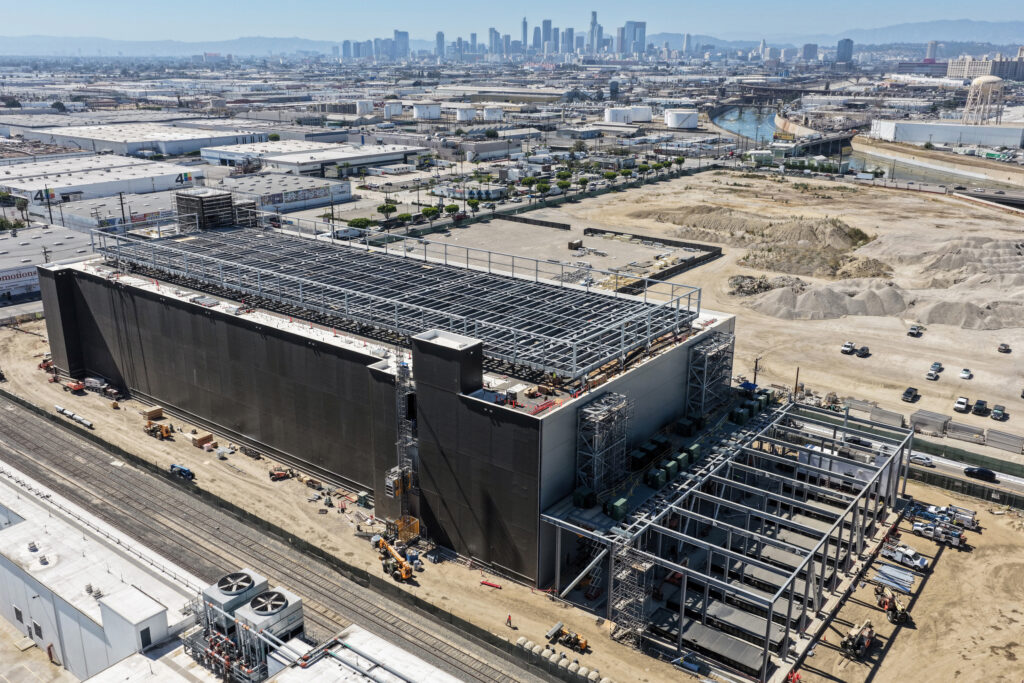
Data centers consume enormous quantities of water and energy. These facilities require constant cooling, straining local water supplies and raising temperatures in surrounding areas. The facilities also emit nitrogen oxides and other air pollutants. In regions where data centers cluster, cumulative pollution impacts can exceed safe levels for nearby residents.
The Environmental Protection Network, led by career EPA professionals who served under administrations of both parties, represents a rare public split between current and former government officials over environmental enforcement. The group has emerged as a consistent voice documenting regulatory rollbacks under the current administration.
The report names specific health concerns tied to data center operations. Communities near existing facilities have reported increased respiratory problems and water quality degradation. Low-income neighborhoods and communities of color face disproportionate exposure to these hazards, echoing patterns documented in environmental justice research across multiple EPA regions.
Energy demand from data centers is reshaping the electricity sector. Companies like Microsoft, Google, and Amazon have announced plans to build hundreds of new facilities globally. This infrastructure boom drives demand for power generation, often sourced from natural gas plants that emit greenhouse gases and local air pollution.
The Environmental Protection Network warns that removing Clean Air Act protections and Clean Water Act standards would leave data center expansion essentially unmonitored. Current EPA permitting requirements for air and water emissions would no longer apply to new or expanded facilities in states that lose federal oversight authority.
Several states have already begun competing for data center investment by offering tax breaks and loosened environmental rules. Virginia and North Carolina have become data center hubs partly because of relatively permissive regulatory environments. The EPA report suggests this race to the bottom accelerates when federal safeguards weaken.
The artificial intelligence sector generates roughly 100 billion to 626 billion gallons of water annually for cooling, according to academic research cited in the report. As AI adoption expands, this consumption will grow substantially. Some data centers pull groundwater that supplies drinking wells in rural areas.
Communities experiencing data center development have filed complaints with state environmental agencies about water depletion, air pollution, and grid strain. Iowa, which hosts multiple large facilities, has documented increased ammonia emissions near data centers. Texas communities report concerns about water availability during drought conditions.
The former EPA officials call for strengthened permitting requirements for data center construction and operation. They recommend monitoring cumulative pollution impacts across regions rather than evaluating each facility independently. Without these protections, they argue, the AI boom's environmental and health costs will concentrate in already vulnerable areas.
The report represents the Environmental Protection Network's most direct statement yet on the intersection of technology sector growth and environmental deregulation under the current administration.