Utah voters overwhelmingly back restoring two national monuments that the Trump administration shrank to less than a quarter of their original size, according to polling commissioned by the Grand Canyon Trust.
Two-thirds of Utah residents support returning Bears Ears and Grand Staircase-Escalante National Monuments to their previous boundaries, the survey found. The Trump administration reduced both monuments starting in 2017, cutting Bears Ears from 1.35 million acres to 228,000 acres and Grand Staircase-Escalante from 1.9 million acres to 541,000 acres. Those reductions marked the largest reduction of protected public lands in American history.
The polling matters because Utah, a reliably Republican state, has emerged as a political battleground over monument protection. Republicans and some local officials have long opposed the designations, viewing them as federal overreach that limits economic development and local control. Yet the new data suggests that even in this conservative stronghold, voters value landscape conservation.
The Grand Canyon Trust, based in Utah, conducted the survey to gauge public opinion as the Biden administration considers whether to restore the monuments' original boundaries. President Biden campaigned on restoring these monuments and reviewing other Trump-era reductions to protected lands.
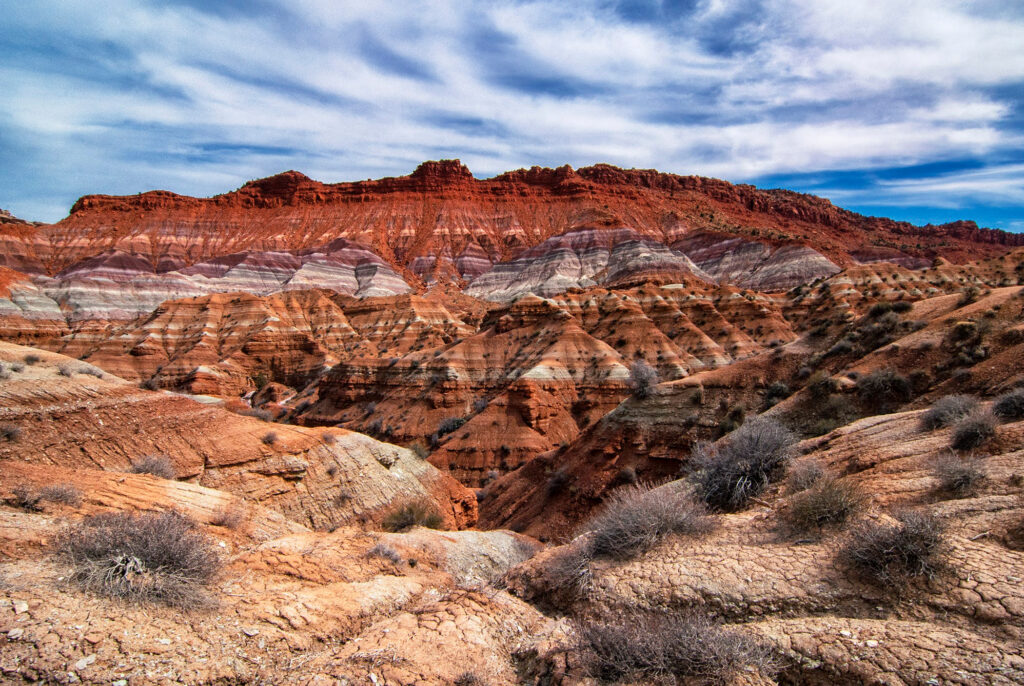
Federal officials point to ecological and archaeological reasons for restoration. Bears Ears encompasses one of the highest concentrations of Indigenous cultural sites in the United States, with thousands of archaeological features tied to Navajo, Ute, and other tribal nations. Grand Staircase-Escalante protects distinctive desert ecosystems and paleontological resources, including fossil-rich rock formations.
The polling suggests a widening gap between political rhetoric in Utah and actual voter preferences. Local county commissions and some state officials have actively fought monument designation, arguing that federal protection restricts grazing, mining, and oil and gas development on public lands. Yet Utah voters appear willing to accept federal protection for conservation purposes.
Tourism generates an estimated 1.2 billion dollars annually across Utah's national parks and monuments, according to state tourism data. Some economists argue that landscape protection strengthens long-term economic stability by supporting outdoor recreation jobs, which employ more Utahns than extractive industries like coal mining.
The Trump administration's monument reductions faced immediate legal challenges. A federal court blocked some land removals but upheld others, creating an ongoing legal tangle. The Biden administration's position on restoration remains under review, though Interior Department officials have signaled openness to expanding protections across multiple monuments reduced during the previous administration.
Native American tribes, including the Navajo Nation and Ute Indian Tribe, have actively pushed for restoration. Tribal representatives describe the monuments as essential to cultural preservation and resource protection, particularly regarding water quality in the Colorado River watershed.
Republican representatives from Utah have publicly opposed restoration, with some calling monument protection "radical environmentalism." Yet the polling data indicates their constituents hold different views. The survey, conducted by a nonprofit, did not specify methodology or sample size in available reporting, but aligns with previous polling showing majority support for public lands protection across multiple states.
The outcome of the Biden administration's review process could reshape the national monument debate and test whether federal officials prioritize public opinion data or face pressure from state and local elected officials opposed to restoration.