# Extreme Heat Increasingly Extends Beyond Summer Months Into Spring and Fall
Extreme heat no longer confines itself to summer. New research documents a troubling pattern: dangerous temperature spikes are creeping into spring and autumn, extending the season during which populations face peak heat risk.
This shift represents a fundamental change in how heatwaves behave. Historically, extreme heat concentrated in summer months when solar radiation peaks. Today, spring and autumn heat events rival summer temperatures in intensity and duration, catching communities unprepared for dangerous conditions outside traditional warm seasons.
The mechanism driving this pattern links directly to climate change. Rising greenhouse gas concentrations trap heat in the atmosphere year-round. While summer remains the hottest season overall, the temperature floors in shoulder seasons have risen sharply. A spring day that would have been mild 30 years ago now routinely reaches dangerous levels. The same applies to autumn.
This expansion matters enormously for public health. Emergency response systems, cooling centers, and medical protocols typically activate during known summer heat periods. Extended heat seasons catch infrastructure and healthcare systems off guard. People accustomed to spring weather take fewer precautions. Vulnerable populations, including the elderly and those with cardiovascular conditions, face heightened risk when heat arrives outside expected windows.
The phenomenon poses particular challenges for electricity grids. Summer air conditioning demand already strains power systems. Spring and autumn heat spikes create unexpected surges in cooling demand, pushing grids toward capacity limits when reserves are lowest. Renewable energy generation, particularly solar, peaks in summer but drops in spring and autumn, creating timing mismatches between supply and demand.
Agricultural systems face disruption as well. Crops evolved to handle temperature ranges within their historical growing seasons. Extended heat into spring damages early growth phases. Heat in autumn shortens recovery periods before winter dormancy. Fruit and vegetable yields decline as temperatures exceed optimal ranges during critical development windows.
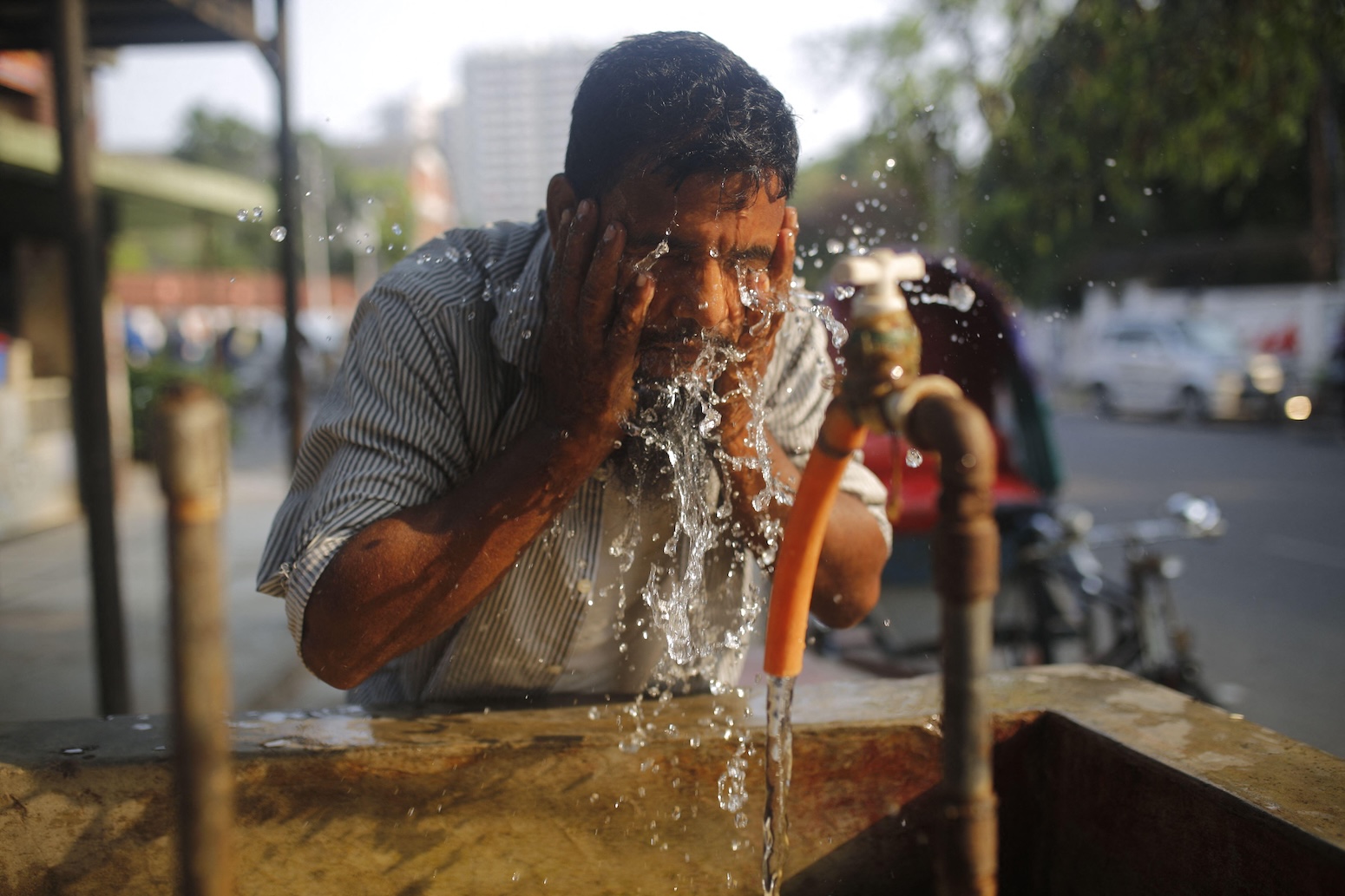
Recent heat events demonstrate the real-world consequences. Spring heatwaves in the Northern Hemisphere brought record temperatures to regions from India to North America in 2023 and 2024. Autumn heat persisted into November across Europe and North America multiple times in recent years. These events correlate with observed increases in heat-related hospital admissions and mortality outside traditional summer months.
Climate models project this trend will accelerate. By mid-century, spring and autumn heat events matching historical summer extremes will become routine. Some projections indicate dangerous heat conditions could occur for 180 days annually in certain regions, compared to roughly 90 days today.
Adaptation requires rethinking heat response infrastructure. Public health agencies need year-round alert systems rather than seasonal protocols. Urban cooling strategies must operate continuously. Electricity grids require expanded capacity and diverse generation portfolios to handle unpredictable seasonal demand. Agricultural practices must shift toward heat-tolerant crop varieties suited to expanded hot seasons.
The creeping extension of extreme heat into spring and autumn represents one of climate change's most immediate threats to human welfare. Communities that prepare only for traditional summer heat increasingly face dangerous surprises.