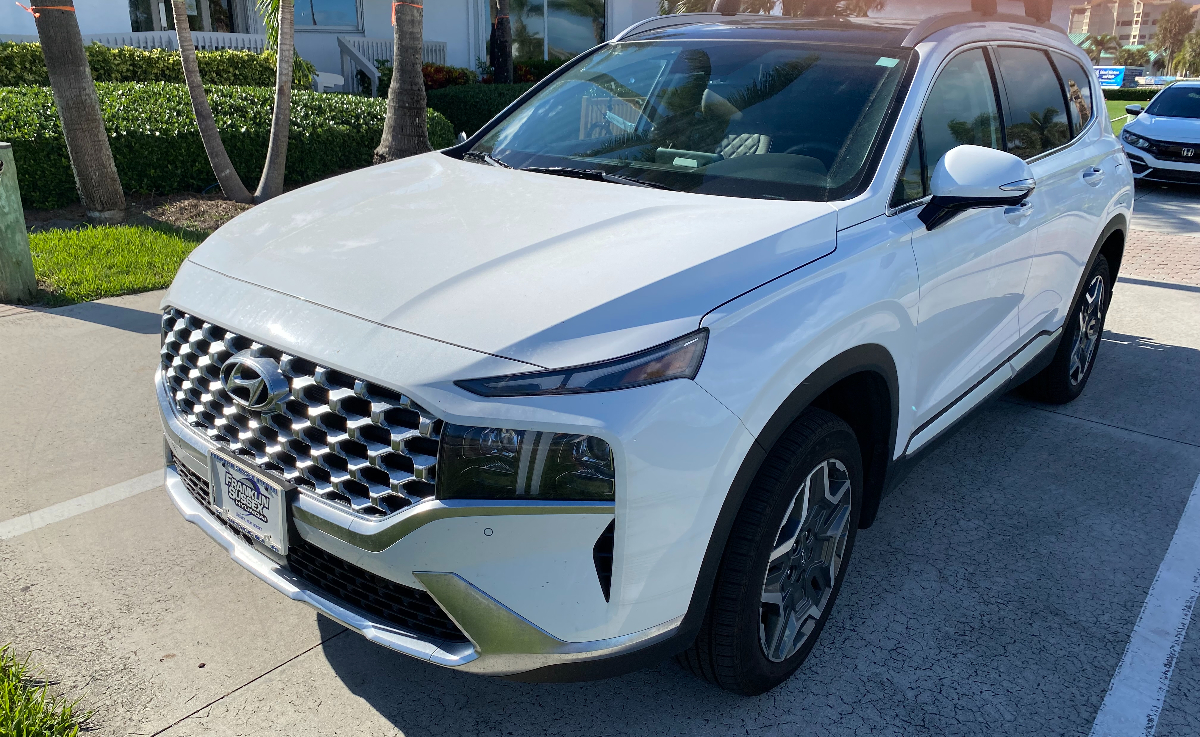
Hyundai announced $303 million in cumulative charitable giving through its Hope on Wheels nonprofit over 28 years, citing the company's commitment to childhood cancer research and treatment. The program operates with support from more than 855 US dealerships. But the actual annual commitment reveals a far smaller operational footprint than the headline figure suggests.
Dividing $303 million across 28 years yields roughly $10.8 million annually. For context, Hyundai's global revenue exceeds $100 billion annually. The company's annual charitable contribution to childhood cancer represents approximately 0.01 percent of gross revenue, a figure that situates Hope on Wheels as a modest charitable initiative rather than a transformative funding mechanism.
Hope on Wheels distributes grants to pediatric cancer research centers and treatment facilities nationwide. The nonprofit's work addresses a genuine public health gap. The National Institutes of Health dedicates limited funding to pediatric cancer research despite childhood cancer ranking as the leading disease-related cause of death among children in the United States. Private philanthropy fills critical funding voids that government research budgets leave unfilled.
The dealership-based fundraising model represents Hyundai's primary operational strategy. Individual dealers conduct local fundraising events, and customer donations at point of sale contribute to the nonprofit's budget. This distributed approach generates community engagement but also obscures total giving patterns. No single entity bears the full financial weight.
Hyundai's framing of the $303 million figure warrants scrutiny. Corporate press releases typically highlight cumulative lifetime totals to maximize perceived impact. Annualized figures tell a different story about priority and scale. A $10.8 million annual commitment positions Hyundai alongside but not ahead of peer automotive manufacturers. Ford established the Ford Fund in 1949 and commits substantially higher annual amounts to various causes. Toyota similarly distributes hundreds of millions across multiple philanthropic initiatives.
The environmental angle matters here too. Hyundai positions itself as a sustainability-focused automaker, emphasizing its electric vehicle portfolio and pledges to achieve carbon neutrality. Hope on Wheels receives prominent marketing attention in company communications. However, Hyundai's annual spending on childhood cancer research pales against its research and development budgets for battery technology and vehicle electrification, which run into billions annually. The charity serves strategic marketing purposes while remaining a peripheral budget item.
Hope on Wheels data shows the nonprofit has funded over 80 pediatric cancer research centers across the United States. This distributed model prevents any single institution from becoming overly dependent on a single corporate donor. Researchers at Duke University, St. Jude Children's Research Hospital, and Cincinnati Children's Hospital have all received grants. The funding does generate measurable research output.
The discrepancy between headline and reality reflects broader corporate communications practices. Hyundai's $303 million claim captures attention. The $10.8 million annual average obscures the true scale of commitment. For a company generating annual revenues exceeding $100 billion, the allocation remains symbolically important but financially modest.
Transparency around annual giving versus cumulative lifetime giving matters when evaluating corporate responsibility claims. Stakeholders benefit from clarity about whether companies front-load giving in certain years, whether contributions grow or shrink over time, and how charitable spending compares to total operational budgets. Hyundai's Hope on Wheels program delivers real value to pediatric cancer research. The marketing presentation simply warrants context.