# Chinese Automaker XPeng Begins Mass Production of Humanoid Robot
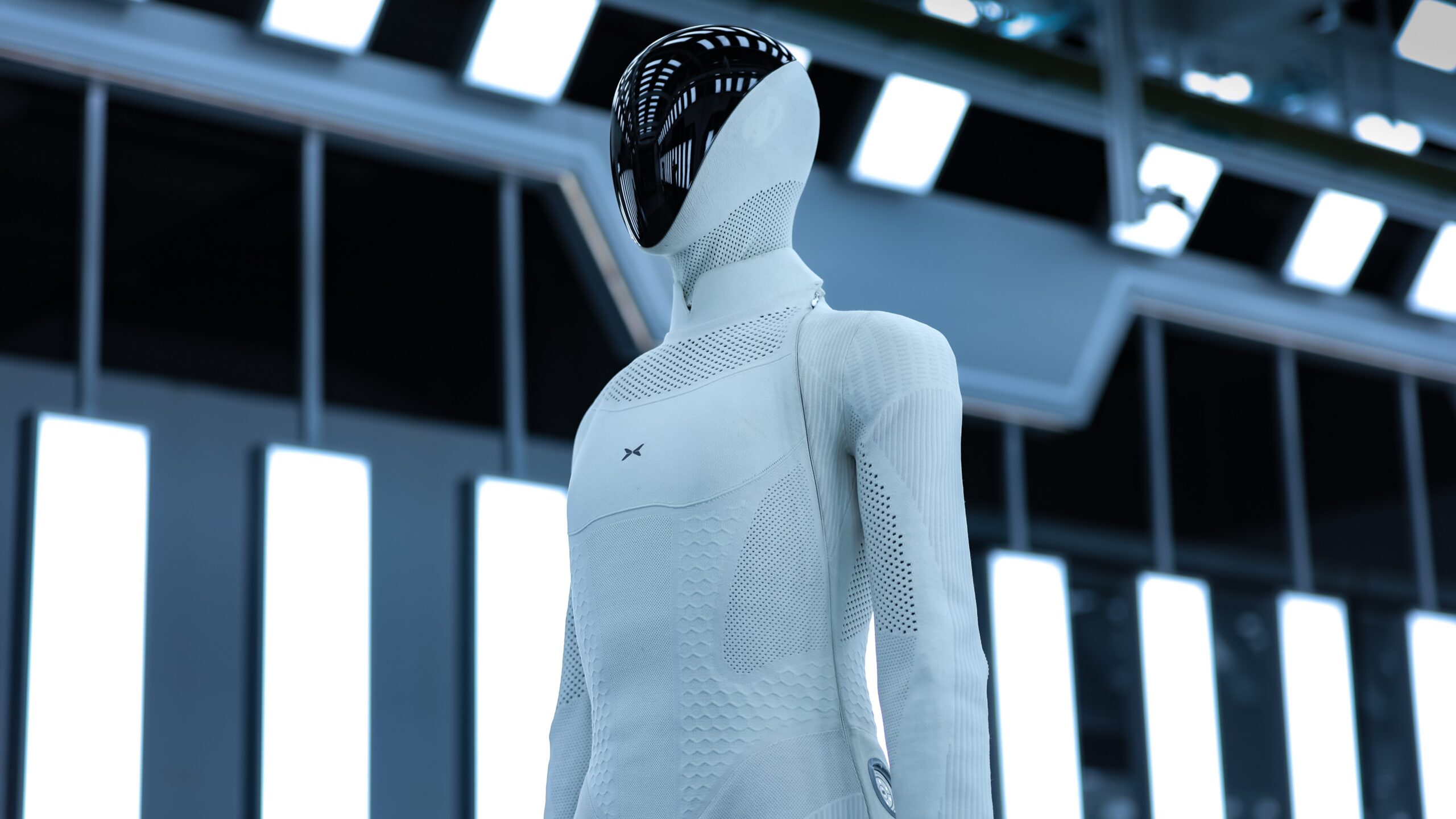
XPeng, the Chinese electric vehicle manufacturer, achieved a manufacturing milestone on September 8th when its IRON humanoid robot autonomously walked off the production line in Guangzhou. The event marks the transition from prototype development to commercial production for the robotics division.
The IRON robot represents years of engineering work by XPeng's robotics team. The autonomous walk-off from the production line signals the company's readiness to scale manufacturing beyond initial units. This development comes as XPeng expands beyond electric vehicles into adjacent robotics markets.
Details on the robot's technical specifications and production capacity remain limited in available reports. XPeng has not disclosed target production volumes, pricing, or specific commercial applications for IRON. The company typically reserves detailed specifications for formal announcements and product launches.
XPeng's entry into humanoid robotics positions the company within a growing competitive landscape. Tesla's Optimus program, Boston Dynamics' Atlas platform, and various Chinese competitors including Unitree and Tesla's own Optimus initiative represent active development efforts. Unlike vehicle manufacturing where XPeng holds established expertise, the robotics sector presents new operational and supply chain challenges.
The timing of the announcement carries strategic weight. As global markets debate automation's role in manufacturing and service sectors, Chinese companies accelerate robotics deployment. Production line autonomy for IRON suggests the robot can navigate complex environments without constant human intervention. This capability addresses a key requirement for industrial and logistics applications.
XPeng's vertical integration in EV production provides manufacturing infrastructure that transfers partially to robotics production. Battery technology, motor controls, and assembly line experience from vehicle manufacturing inform IRON's development. However, humanoid robots require distinct engineering compared to stationary industrial robots or vehicle platforms.
Environmental implications remain unclear without specification details. If IRON deployment reduces energy consumption in manufacturing or logistics through efficient task execution, lifecycle emissions benefits could materialize. Conversely, mass production of humanoid robots entails material extraction, manufacturing energy, and eventual e-waste management challenges that require assessment.
The autonomous production line event also demonstrates manufacturing confidence. Robots performing their own exit from assembly lines showcase control systems, mobility algorithms, and safety protocols functioning in real-time production environments. This differs from controlled laboratory demonstrations and addresses practical manufacturing scenarios.
XPeng's announcement reflects broader Chinese industrial strategy. Government support for robotics development, available capital for hardware startups, and large domestic markets enable rapid scaling. American and European robotics companies often struggle to move from research to high-volume production due to capital constraints and smaller addressable markets by geography.
The company faces questions about durability, repair cycles, and long-term operational costs. Manufacturing units successfully is one challenge. Supporting deployed units through maintenance, software updates, and repairs presents different operational demands. XPeng's customer service network for vehicles may not directly translate to robotics support requirements.
Market adoption timelines remain uncertain. Successful production startup does not guarantee commercial success. Industries must integrate IRON into workflows, workers require training, and cost-benefit analyses must justify deployment. Regulatory frameworks for autonomous robots in work environments continue evolving globally.
XPeng's next announcements should clarify production targets, commercial partnerships, and specific use cases for IRON deployment.