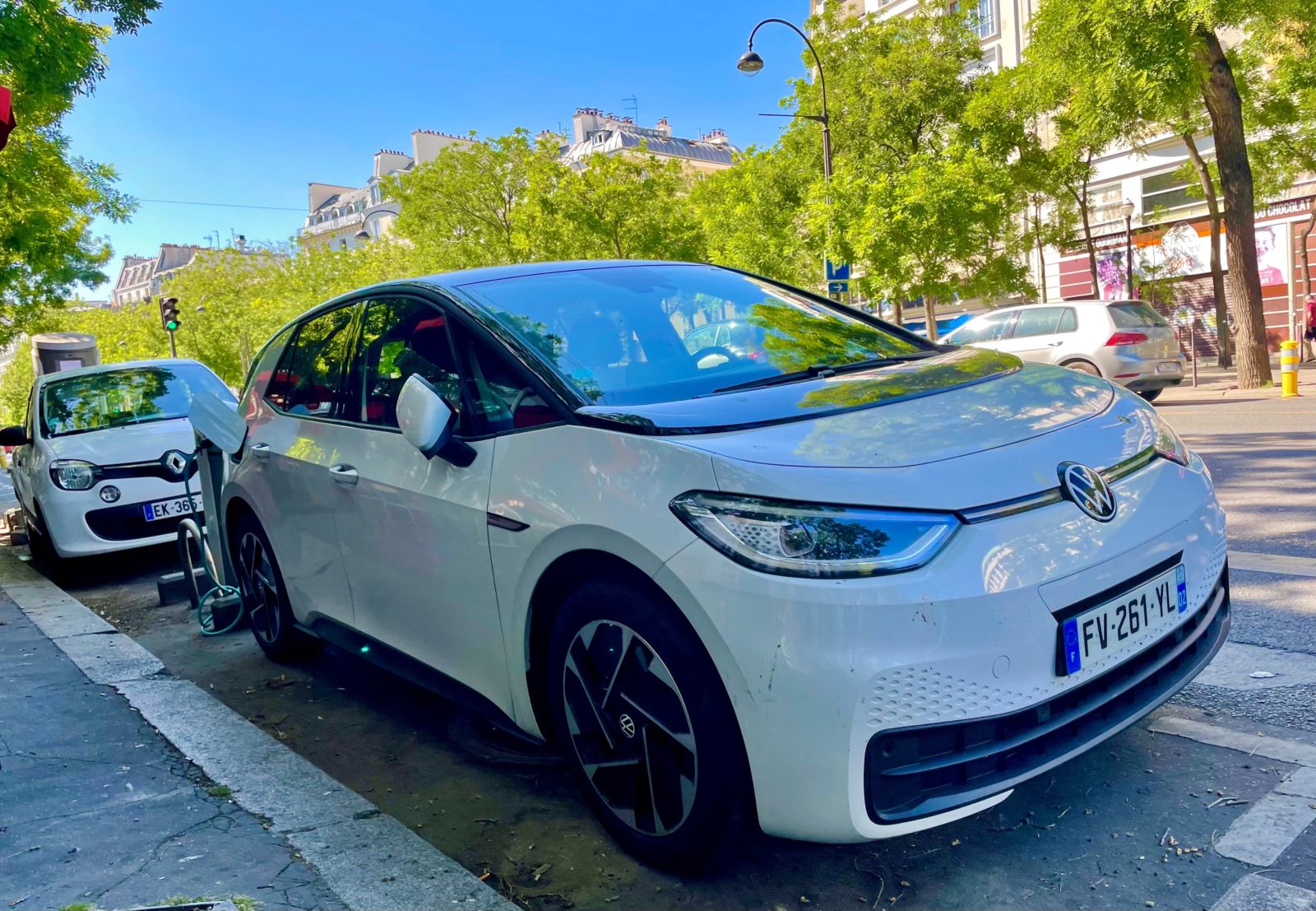
Europe confronts a pivotal infrastructure choice that will reshape its energy independence. Accelerating transport electrification could reduce the continent's reliance on imported oil and fossil fuels by nearly 25 percent by 2040, according to analysis tied to Europe's renewable energy framework decisions for the post-2030 period.
The European Union faces a strategic fork. Transport currently accounts for roughly one-quarter of Europe's total greenhouse gas emissions and remains almost entirely dependent on imported petroleum. This vulnerability leaves the bloc exposed to global oil price shocks and geopolitical supply disruptions. The alternative exists: replacing combustion engines with electric motors powered by domestically produced renewable electricity.
The numbers drive the argument. Transport electrification would simultaneously achieve two objectives. First, it cuts carbon emissions from one of the EU's most stubborn sectors. Second, it reduces import dependency by shifting energy demand from foreign oil suppliers to European wind farms, solar installations, and hydroelectric facilities. A quarter reduction in overall import dependency by 2040 represents a material shift in continental energy security.
This analysis emerges as EU policymakers draft the renewable energy framework governing the 2030s. The current regulatory structure, set during 2020-2021, established targets for the 2020s. Now Brussels must legislate what comes next. For transport specifically, this means deciding whether to maintain the fossil fuel status quo or mandate rapid vehicle electrification and build supporting charging infrastructure.
The transport sector presents the hardest decarbonization challenge in Europe. Manufacturing, electricity generation, and heating have seen technological breakthroughs and cost reductions. Transport lagged. Battery electric vehicle costs have fallen sharply since 2015, making electrification economically viable. Fleet electrification accelerates as manufacturers transition production lines and charging networks expand.
The import dependency calculation proves straightforward. Europe imports roughly 90 percent of its petroleum, almost entirely from outside the bloc. Electricity generation, by contrast, happens domestically. Renewable electricity sources produce within EU borders. Substituting electric transport for petroleum transport thus directly reduces import dependency.
Policy mechanisms matter enormously. The EU's Euro 7 emission standards and internal combustion engine phase-out dates create regulatory certainty that drives automaker investment. Charging infrastructure funding through EU infrastructure programs accelerates network deployment. These decisions compound over decades.
The 25 percent figure requires context. Europe's total import dependency extends beyond transport fuel to raw materials like lithium, cobalt, and rare earths needed for batteries and electric motors. Electrification trades one dependency for another, albeit a more manageable one. Domestic battery manufacturing, already expanding in Sweden and Poland, offers pathways to further reduce that exposure.
Energy system planning reveals deeper implications. Widespread transport electrification demands substantial additional electricity generation capacity. Europe's renewable energy targets already reflect this requirement. The 2030s framework must ensure sufficient generation, grid infrastructure, and storage to support both current electricity demand and electrified transport.
The geopolitical stakes sharpen the debate. Russia's invasion of Ukraine exposed Europe's energy vulnerability and accelerated renewable deployment discussions. Transport electrification enters policy deliberations with this context embedded. Energy independence becomes a security argument, not merely a climate one.
Decisions made in Brussels over the next months will determine whether Europe realizes this 25 percent import reduction. The alternative, continuing current transport patterns, perpetuates oil import dependency and locks in transport sector emissions through 2050.