New York City faces a mounting heat crisis that extends beyond sidewalks and parks into the homes where residents seek refuge. The city has declared at least three heat emergencies this summer, with some lasting beyond two days, according to reporting by Inside Climate News. The latest heat mortality data estimates approximately 500 New Yorkers die prematurely from heat-related causes annually.
Mayor Zohran Mamdani's repeated emergency declarations underscore the city's struggle to protect vulnerable populations during extreme temperatures. Unlike cooler regions, New York's dense urban infrastructure traps heat in buildings and streets, a phenomenon called the urban heat island effect. This compounds the danger for residents without adequate air conditioning or those living in poorly insulated older buildings.
The challenge reveals a stark disparity in New York's climate resilience. Low-income neighborhoods, predominantly communities of color, have fewer tree canopies and older housing stock less capable of thermal regulation. These areas experience temperatures 10 to 15 degrees Fahrenheit higher than wealthy, tree-lined neighborhoods. Residents in these zones face higher mortality risk during heat waves because staying indoors offers little protection.
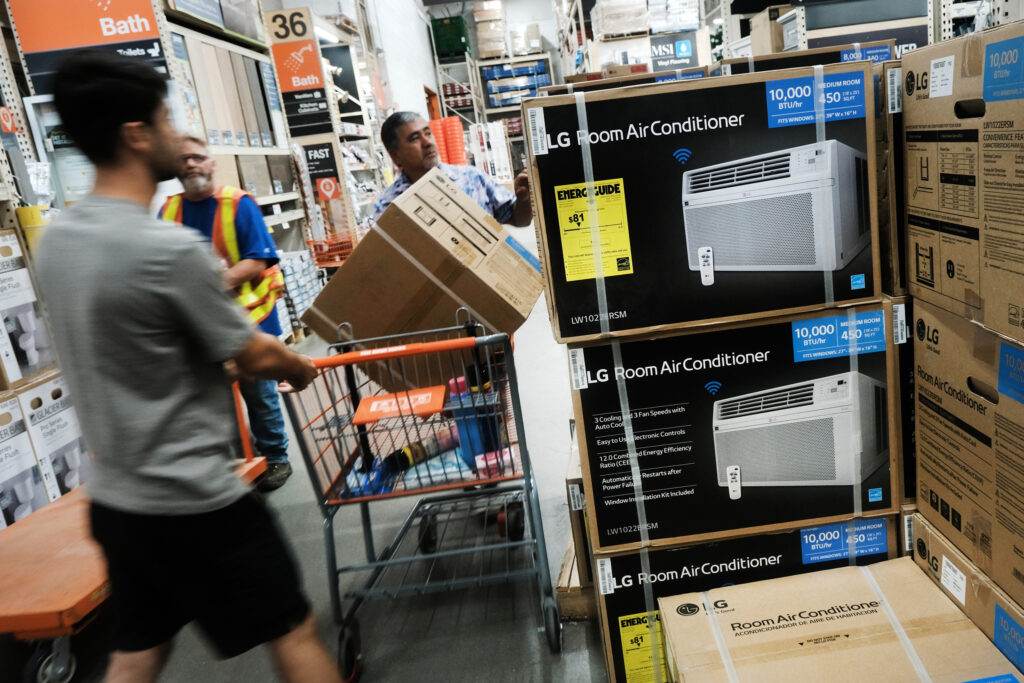
Air conditioning access remains unequal. Many older apartment buildings lack central cooling, forcing residents to rely on window units or fans that consume significant electricity. Rising energy costs make running air conditioning prohibitively expensive for fixed-income households. During the city's hottest months, residents face a choice between cooling their homes or paying rent.
The city's cooling center network attempts to bridge this gap but reaches only a fraction of those at risk. New York operates public spaces with air conditioning during declared heat emergencies, yet transportation barriers and awareness gaps prevent many vulnerable people from accessing them. Elderly residents, individuals with disabilities, and those experiencing homelessness face particular obstacles.
Climate projections worsen the outlook. The National Weather Service projects more frequent and intense heat waves in the Northeast. Heat-related emergencies already strain New York's healthcare system, with emergency rooms reporting surges during peak temperatures. Hospital admissions for heat exhaustion and exacerbation of chronic conditions spike during sustained hot periods.
Building codes present both a barrier and opportunity. New York requires air conditioning in newly constructed buildings but lacks retroactive standards for existing housing. Retrofitting older buildings with cooling systems requires capital investment most landlords avoid. Some proposals target subsidizing air conditioning installation for vulnerable populations, though funding remains limited.
The city's response has expanded incrementally. The NYC Department of Environmental Protection launched cooling-as-a-service pilot programs in select neighborhoods, installing thermally efficient window units in homes of seniors and disabled residents. Solar cool roofs, which reflect sunlight rather than absorbing heat, have been installed on municipal buildings but remain rare on residential properties.
Mamdani's heat emergency declarations trigger protocols including extended cooling center hours and outreach to at-risk populations. However, critics argue these measures arrive too late in the summer and lack coordination with medical providers. The city needs proactive, year-round strategies rather than reactive emergency responses.
Addressing heat mortality requires simultaneous action on multiple fronts. Retrofitting housing stock, expanding cooling center accessibility, planting street trees to lower ambient temperatures, and ensuring energy assistance programs cover cooling costs represent the most direct interventions. Without these changes, heat will continue claiming preventable deaths among New York's most vulnerable residents.