# Maine Towns Face Hard Choices as Coastal Armor Demands Surge
Quarry blasts shaking historic homes. A growing demand for coastal protection. A finite supply of rock. Maine's race to armor its shoreline against climate-driven erosion and storms has created unexpected winners and losers, pitting environmental necessity against community quality of life.
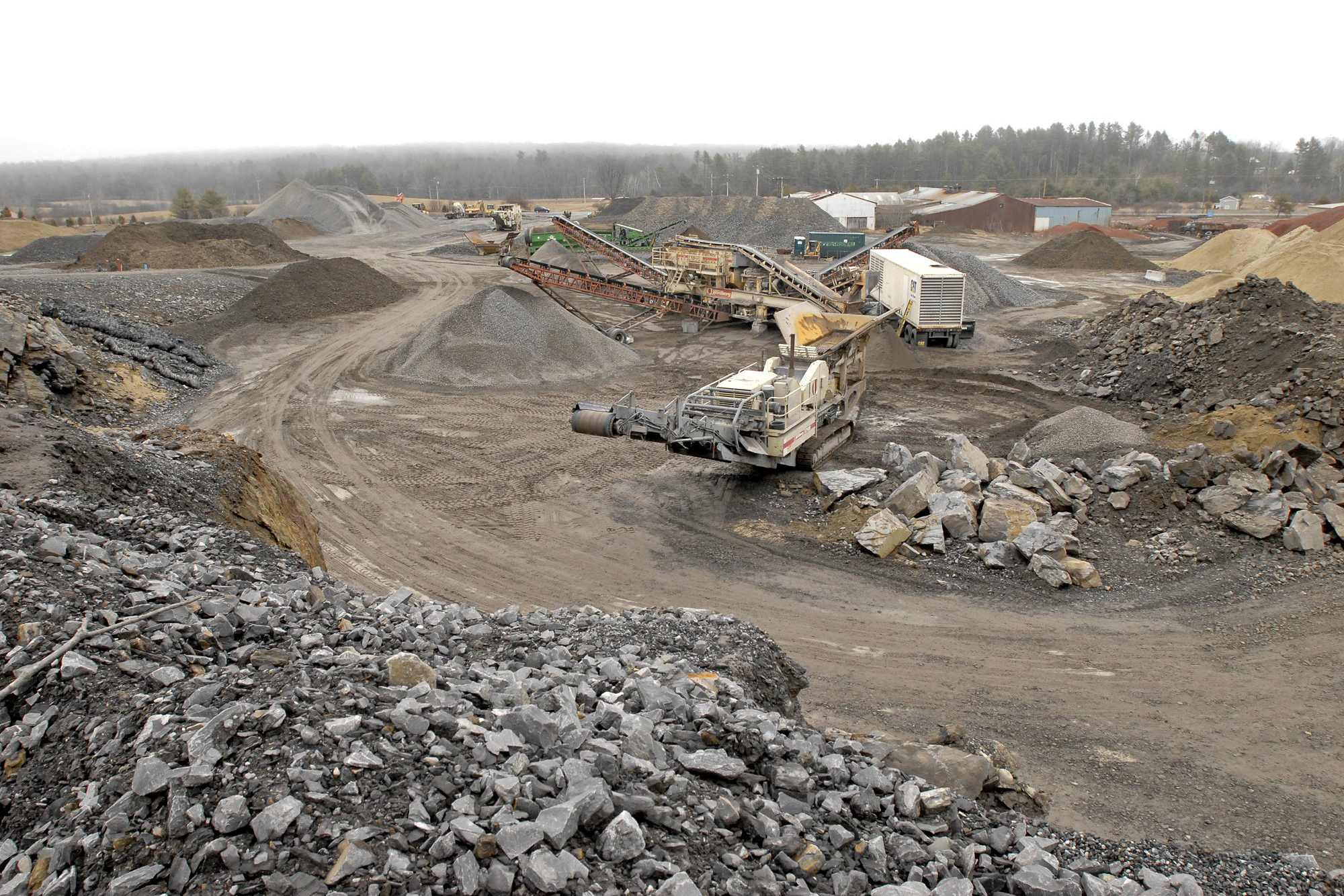
Charlie Hamblen's historic farmhouse in Gorham, Maine, has endured repeated seismic shocks from blasting at a nearby quarry. The vibrations traveled over half a mile from the explosions. Two active quarries operate in Gorham, a town of nearly 20,000 residents positioned just west of Portland, extracting the stone that coastal communities increasingly need for seawalls, bulkheads, and other armor structures.
The tension reflects a broader coastal adaptation reality. As sea levels rise and storm surge intensifies, Maine municipalities face urgent decisions about protecting developed shorelines. The standard solution involves massive quarried stone, placed to deflect waves and anchor erosion-control infrastructure. But sourcing that stone creates its own environmental and social costs.
Maine's coastline stretches nearly 3,500 miles when accounting for islands and inlets. Roughly 40 percent of the state's population lives in coastal counties. Rising seas, accelerating at Maine's latitude, combined with increased nor'easter intensity, have made waterfront property owners and municipal planners more willing to invest in coastal hardening. Private homeowners, businesses, and towns are all seeking permits and funding for shore protection projects.
Quarrying operations have expanded in response. The two Gorham quarries operate in a town zoned for industrial activity, but residents and local officials increasingly question whether the environmental costs justify the economic gains. Blasting disrupts sleep, damages building foundations, and destabilizes geological structures. Dust from crushing operations settles on nearby properties. Heavy truck traffic degrades roads and increases accident risk.
Yet the quarries argue they fill a regional need. Moving extraction further away simply shifts impacts elsewhere while increasing transportation emissions. Transporting stone over longer distances reduces the net benefit of coastal protection projects designed to lower climate risk.
The dilemma exposes a gap in coastal climate adaptation planning. Communities racing to protect their shorelines from climate impacts often externalize the costs of that protection onto inland residents. Coastal communities with high property values and political power can attract resources and support for hardening projects. Quarrying towns absorb the daily disruptions while seeing fewer benefits.
Some coastal experts argue this model requires reform. Comprehensive regional planning could direct quarrying to locations better suited for industrial activity, or establish community benefit agreements ensuring affected residents receive compensation or services. Other proposals include accelerating alternatives like recycled aggregate or modular erosion-control systems that require less extraction.
Maine's legislature and coastal management agencies have begun examining these trade-offs. The question now centers on whether adaptation to rising seas and storms can proceed in ways that distribute both benefits and burdens more equitably.
The Gorham quarry disputes illustrate that climate adaptation is never consequence-free. Solving one community's vulnerability problem creates new pressures elsewhere. Without deliberate policy choices, Maine's coastal protection race will continue favoring those already prosperous while asking the less politically connected to absorb the real-world costs.