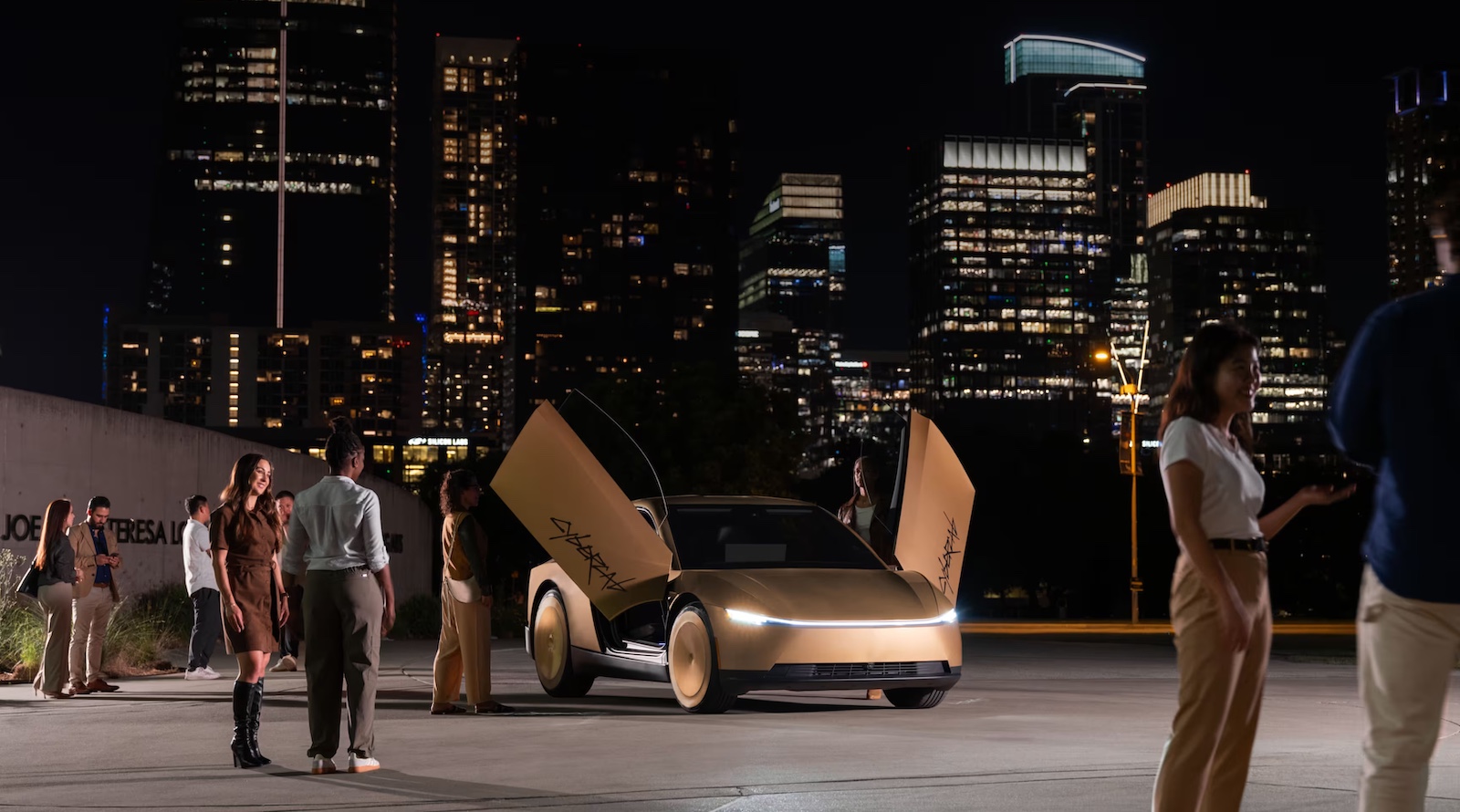
The National Highway Traffic Safety Administration launched an investigation into Tesla's Cybercab rollout this week following the company's launch of the autonomous vehicle in Austin, Texas. The probe centers on whether Tesla complied with federal motor vehicle safety standards during deployment of the steering wheel and pedal-free robotaxi.
The Cybercab represents a departure from conventional vehicle design. Tesla engineered the vehicle without a steering wheel, traditional pedals, or side mirrors, relying instead on fully autonomous driving systems to operate the vehicle. This design choice eliminates redundant manual controls that have been standard on all road-legal automobiles for over a century.
NHTSA's involvement signals federal concerns about the vehicle's certification process and whether appropriate safety protocols were followed before public deployment. The agency holds authority to enforce Federal Motor Vehicle Safety Standards (FMVSS), which establish baseline requirements for all vehicles sold in the United States. Any vehicle lacking traditional operator controls must receive explicit exemptions or approvals through established NHTSA procedures.
Tesla has previously obtained exemptions from FMVSS requirements for experimental autonomous vehicles. In 2022, the company secured a limited exemption allowing deployment of its Dojo test vehicle. However, the Cybercab represents a commercial product intended for regular service operations rather than controlled testing. The distinction matters legally. Commercial robotaxi services require different regulatory pathways than research vehicles, including demonstrations of safety performance that exceed conventional vehicle standards.
The Cybercab's lack of manual controls presents specific safety challenges regulators must evaluate. Without a steering wheel or brake pedal, occupants cannot assume control if autonomous systems malfunction. NHTSA must verify that Tesla's onboard safety systems, redundancy protocols, and failure modes meet federal standards. The agency typically requires exhaustive testing data before permitting vehicles to operate without traditional human controls.
NHTSA has shown increasing scrutiny of Tesla's autonomous driving claims. The agency opened multiple investigations into Tesla Autopilot crashes over the past five years, examining whether the company's marketing oversold the system's capabilities. In 2021, NHTSA began a preliminary evaluation of Autopilot's safety performance that continued through 2024. These actions reflect the agency's concern that Tesla may have deployed safety-critical systems without sufficient validation.
The Cybercab investigation occurs as autonomous vehicle companies race to commercialize robotaxi services. Waymo, Cruise, and other competitors operate robotaxis with limited geographic restrictions and gradually expanding service areas. These deployments typically received explicit NHTSA guidance or exemptions. Tesla's approach appears to have bypassed formal approval processes, prompting federal intervention.
The investigation carries implications beyond Tesla. Regulatory clarity on autonomous vehicle deployment affects the entire industry's timeline for commercialization. Companies need definitive rules about which safety standards apply to vehicles without manual controls. Vague or inconsistent enforcement creates uncertainty that can either accelerate or delay market entry for competing robotaxi services.
Tesla has not disclosed whether NHTSA requested voluntary compliance measures or initiated a formal recall proceeding. The investigation status remains preliminary, meaning NHTSA is gathering information to determine whether violations occurred. Potential outcomes range from requiring design modifications to halting operations until certification completes.