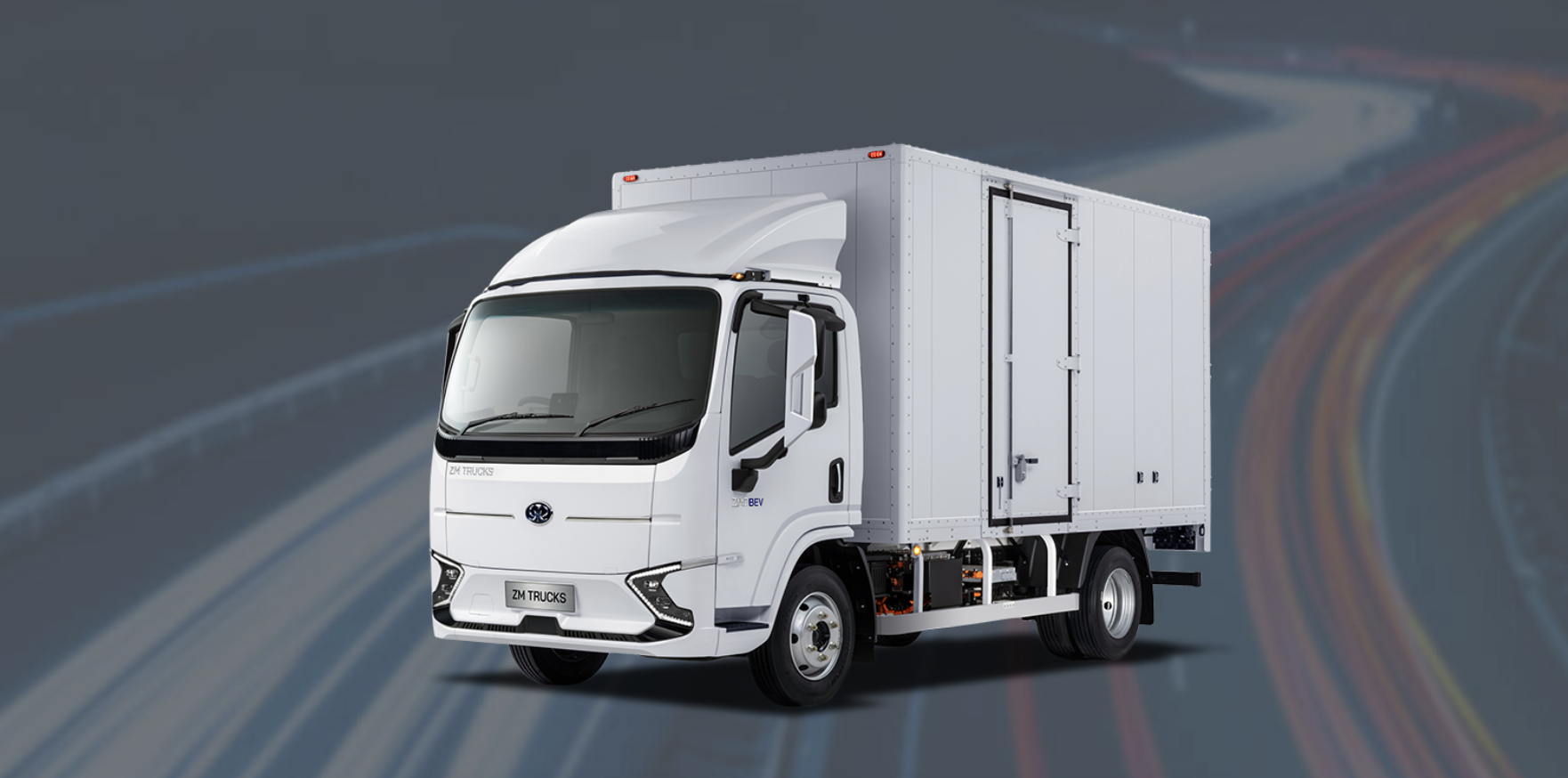
Five states launched coordinated electric truck acceleration programs this week, signaling a direct challenge to federal policy on vehicle electrification. California, Oregon, Washington, New York, and New Jersey activated two separate regional initiatives designed to fast-track medium and heavy-duty electric vehicle adoption.
The timing reflects mounting frustration among state environmental officials over the White House's recent rollback of tailpipe emission standards. The Trump administration weakened fuel economy rules for heavy trucks in August 2024, effectively delaying electrification timelines that the Biden administration had established. States on both coasts viewed federal retreat as an opening to act unilaterally.
California leads the western effort through its Advanced Clean Trucks rule, which mandates all new heavy-duty trucks sold in the state meet zero-emission standards by 2035. Oregon and Washington have committed to harmonizing their own rules with California's framework, creating a unified market signal worth billions in procurement incentives. New York and New Jersey anchored the eastern program through similar mechanisms tied to port operations and logistics hubs.
Electric truck adoption remains critically low. Heavy-duty vehicles account for roughly 27 percent of transportation emissions nationally, yet electric trucks represent less than 2 percent of new truck sales. Charging infrastructure gaps and upfront cost premiums averaging 40 to 60 percent above diesel alternatives create structural barriers. States stepped in where federal policy stalled.
The programs target three key areas: direct purchase incentives for fleet operators, expansion of public charging networks, and preferential procurement policies favoring electric trucks in state and municipal contracts. New York's initiative includes $1.2 billion in funding for heavy-duty vehicle conversions and charging station deployment across the Northeast Corridor. California's program allocates resources through its Cap and Trade revenue stream, historically the country's largest dedicated climate fund.
Environmental advocates framed the state action as essential. Smoke from diesel truck emissions concentrates in port communities and freight corridors, disproportionately affecting low-income neighborhoods. Studies from UCLA and UC Davis document associations between diesel exposure and elevated rates of asthma, lung cancer, and cardiovascular disease in communities adjacent to ports and warehouses.
The federal EPA previously set targets requiring 35 percent of new heavy truck sales be zero-emission by 2030 under the 2023 National Program. That mandate faces legal challenge and potential elimination. States cannot mandate federal standards, but they can shape their own markets through incentives and procurement rules without triggering Commerce Clause conflicts.
Industry response split predictably. Major truck manufacturers including Volvo and Daimler welcomed state certainty, noting that fragmented regional standards still beat no standards. Diesel engine builders and trucking associations opposed both state and federal mandates, citing insufficient charging infrastructure and battery supply constraints.
Logistics companies operating across multiple states expressed concern about compliance costs, though some major fleet operators including Amazon and UPS signaled support for accelerated timelines. Both companies face shareholder pressure and customer demands for decarbonized supply chains.
The state programs launch as a United Nations report on transport electrification emphasized that developed economies must achieve 100 percent zero-emission truck sales by 2040 to meet Paris Agreement targets. Current trajectories fall 15 years behind that timeline.