New Mexico's State Land Commissioner Stephanie Garcia Richard signed an executive order Friday banning new uranium leasing on state-owned lands, blocking a major avenue for domestic uranium mining expansion as the Trump administration moves to revive the sector.
The order bars future leasing agreements on the roughly 9 million acres of state land under Garcia Richard's authority. New Mexico holds roughly 5 percent of global uranium reserves and historically supplied more uranium ore than any other U.S. state. The ban does not affect existing leases or federal lands, where the Trump administration has pursued aggressive uranium development goals.
Garcia Richard's decision cuts against the administration's stated agenda. The Trump administration has made domestic uranium production a centerpiece of energy policy, arguing that American supply chains reduce dependence on foreign sources and support national security. The administration has fast-tracked lease sales on federal public lands and signaled support for mining companies seeking to expand operations across the West.
State-level uranium bans represent growing friction between federal pro-mining policy and state environmental concerns. New Mexico joins Colorado in restricting uranium leasing on state property, though enforcement differs between jurisdictions. Colorado's restrictions apply to lands within certain distances of water sources and population centers.
The timing reflects broader divisions over uranium's role in U.S. energy infrastructure. Proponents of nuclear energy argue expanded uranium mining is essential to meet growing electricity demand while reducing carbon emissions. The International Energy Agency projects global uranium demand could rise 90 percent by 2050 under net-zero scenarios. Uranium mining advocates note that nuclear plants generate zero direct emissions and occupy minimal land relative to renewable energy installations.
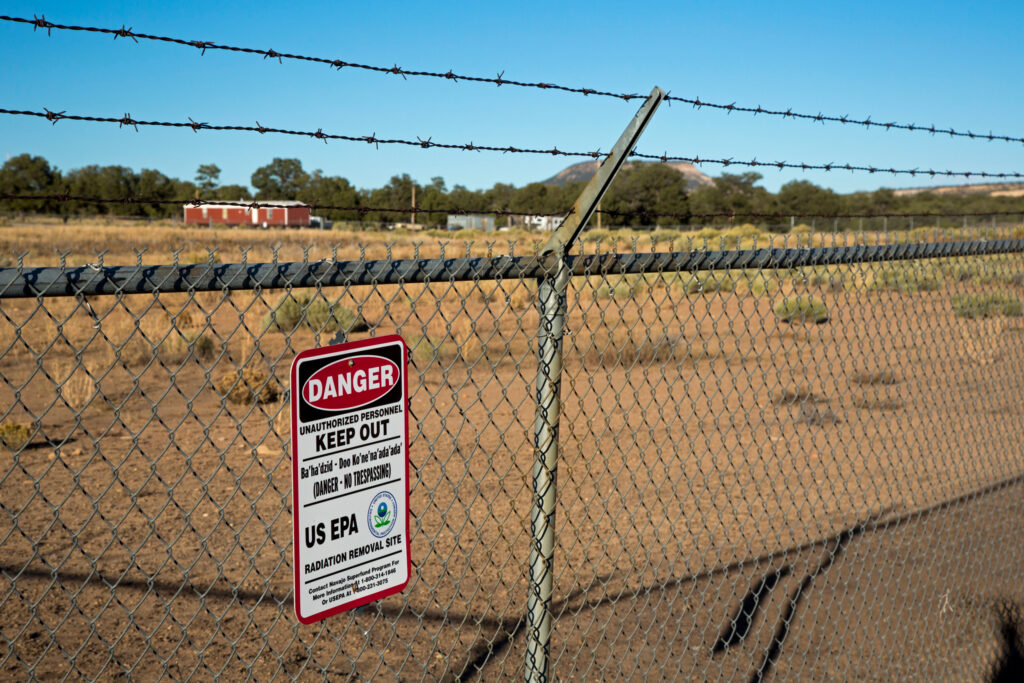
Environmental groups counter that uranium mining creates lasting water contamination and generates radioactive waste requiring millennia-long storage. New Mexico faces particularly acute legacy contamination from Cold War-era mining operations. The Department of Energy identified over 500 abandoned uranium mines in New Mexico, many leaving exposed radioactive material and contaminated groundwater. Cleanup costs exceed $500 million statewide.
Health data from uranium-mining counties shows elevated rates of certain cancers and respiratory disease among Indigenous communities. The Navajo Nation, whose lands overlap significant uranium deposits, has banned uranium mining on tribal property since 2005.
Garcia Richard stated the ban protects state resources and environmental integrity. The executive order directs the State Land Office to prioritize renewable energy leasing instead, including solar and wind development on state land.
The restriction applies only to new leases. Existing agreements remain valid through their terms, potentially spanning decades. Several uranium mining companies hold active state leases in New Mexico's northwest region.
Federal policy divergence creates complex jurisdictional questions. Federal public lands surrounding state holdings contain substantial uranium deposits. The Bureau of Land Management controls leasing on those federal tracts and has accelerated uranium lease sales under Trump appointees.