# Racial Disparities Deepen as Climate-Driven Insurance Costs Climb for Communities of Color
Homeowners in Black and Hispanic neighborhoods across the United States face significantly higher insurance premiums than their white counterparts, a pattern that mirrors historical housing discrimination and leaves communities of color financially vulnerable as climate disasters intensify.
The Consumer Federation of America released a report in July documenting these racial disparities in home insurance pricing. The analysis shows that Black and Hispanic homeowners pay disproportionately high rates for coverage, even when controlling for property values and risk profiles. This disparity emerges as the insurance industry responds to mounting climate-related losses by raising premiums in high-risk zones, which often overlap with predominantly minority neighborhoods.
The underlying causes trace to decades of redlining and discriminatory lending practices. Predominantly Black and Hispanic communities were systematically denied investment and services throughout the 20th century. These neighborhoods often sit in flood-prone areas, have older housing stock, and lack the infrastructure improvements that newer, whiter suburban developments received. Insurance companies now cite these physical characteristics as justification for elevated rates, perpetuating the economic consequences of past discrimination.
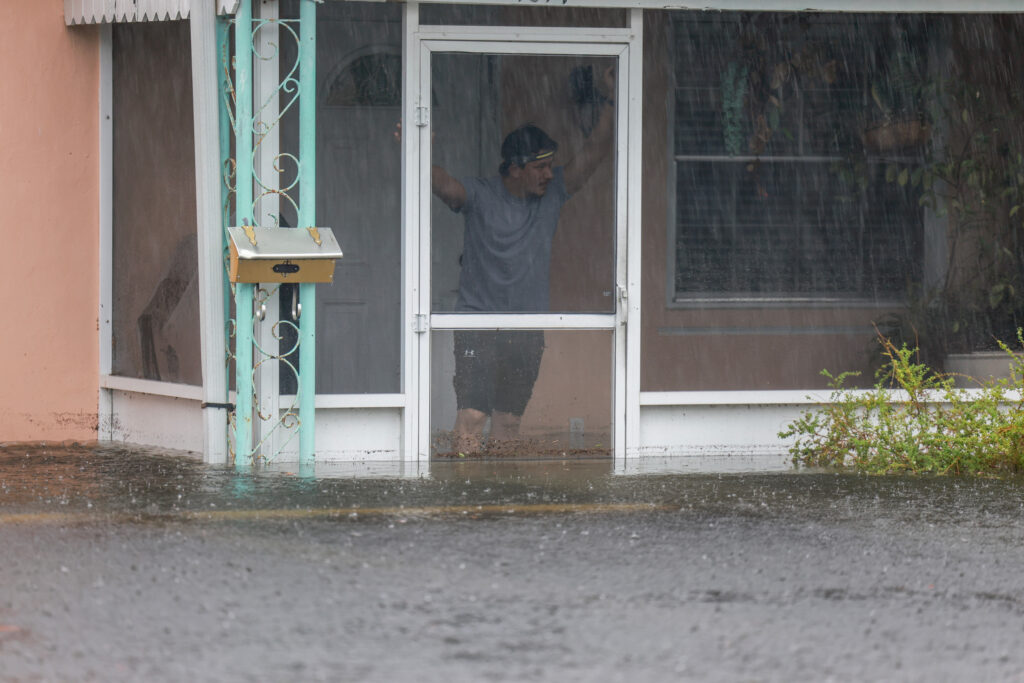
Climate change accelerates this problem. The National Oceanic and Atmospheric Administration recorded 28 separate weather and climate disasters in 2022 alone that each caused over one billion dollars in damage. Hurricanes, wildfires, floods, and hailstorms strike with increasing frequency and intensity. Insurance companies pass these escalating costs directly to consumers through premium hikes, but the increases concentrate in neighborhoods already economically strained. A homeowner paying 20 percent more annually for insurance than a comparable property owner in a wealthier area faces compounding financial stress.
The cascading effects ripple through communities. When insurance costs rise faster than incomes, homeowners face difficult choices. Some reduce coverage levels, leaving themselves underinsured. Others default on payments or sell properties, accelerating neighborhood disinvestment. Reduced property values deepen the wealth gap between white and Black families, since homeownership represents the primary wealth-building mechanism for most Americans.
Insurance company practices lack meaningful transparency. Regulators in most states do not require detailed disclosure of pricing algorithms or racial impact analysis. This opacity means discriminatory patterns persist unchecked. Some insurers have simply withdrawn from high-risk markets entirely, leaving residents with limited options and forcing them toward state-run insurers of last resort, which often charge premium rates.
Advocacy groups and policymakers increasingly recognize this issue as an environmental justice problem, not merely a consumer finance question. Community organizers in Louisiana, California, and Florida report constituents forced to sell family homes because insurance became unaffordable. Environmental justice frameworks connect climate vulnerability, racial inequality, and economic power.
State insurance commissioners hold regulatory authority over rate-setting practices, yet few have implemented racial equity requirements or mandated premium audits. Some states are exploring rules that would limit rate increases or require transparent risk assessment methodologies, but enforcement remains weak. Federal oversight has been minimal, leaving each state to determine its own approach.
As extreme weather accelerates, these insurance disparities will worsen without policy intervention. Communities of color face a compounding crisis. They bear disproportionate climate risk from physical exposure while simultaneously paying more to transfer that risk to insurance markets. This combination threatens both financial stability and physical safety in neighborhoods already facing underinvestment and infrastructure deficits.