# Summer Heat and Drought Ravage European Crop Yields Across Continent
European farmers faced their worst growing season in years this summer. Extreme heat, prolonged drought, and widespread wildfires combined to slash crop production across multiple countries, with some regions reporting yield losses exceeding 30 percent.
The 2023 growing season brought record-breaking temperatures to much of Europe. Parts of southern and central Europe experienced heat waves that persisted for weeks, pushing soil moisture to critically low levels during the period when crops needed water most. Wildfires, themselves fueled by the dry conditions, destroyed additional agricultural land and reduced sunlight reaching crops through smoke cover.
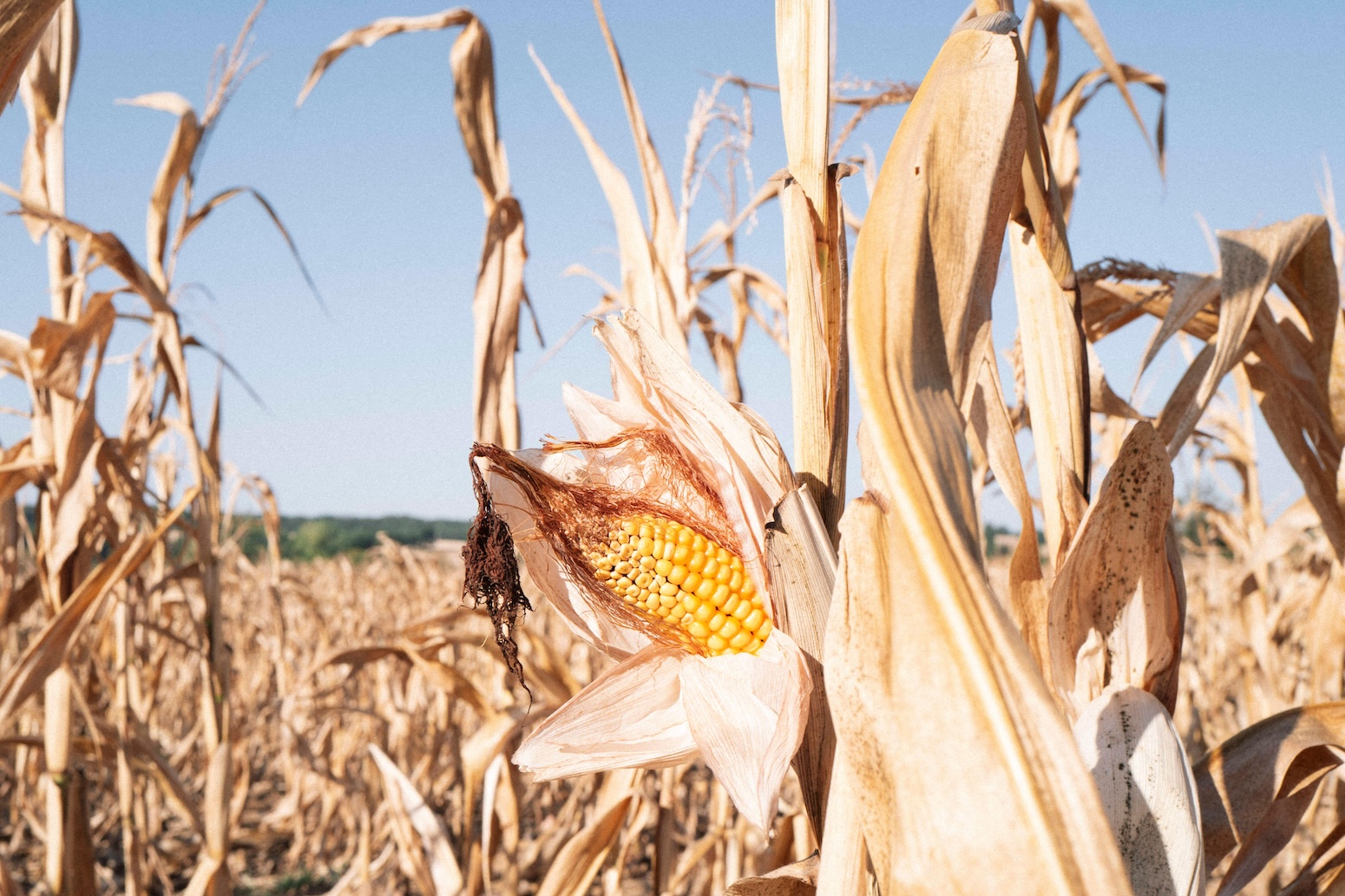
Wheat production took the hardest hit. France, a leading wheat producer, saw yields drop significantly compared to recent averages. Romania and other Balkan states reported similarly severe declines. Corn production faced comparable pressure, with dry soils preventing plants from accessing nutrients and water during critical reproductive stages. Sunflower crops, grown extensively in Ukraine and Hungary, experienced substantial losses that rippled through global cooking oil supplies.
The data tells a stark story. Across the European Union, cereal production fell by approximately 12 percent compared to the five-year average. In Spain and Portugal, some regions recorded their driest summers on record. Hungary's agricultural output declined by more than 20 percent in certain crops. These figures represent not just economic loss for individual farmers but potential food security implications across Europe and globally, as European crops feed both continental markets and export markets worldwide.
Climate scientists link the severity of these conditions directly to broader atmospheric patterns shaped by warming. The jet stream positioned itself in ways that allowed heat domes to stall over agricultural regions for extended periods. Soil moisture deficits accumulated faster than normal because higher temperatures accelerated evaporation. These patterns reflect trends observed increasingly in recent decades.
The economic consequences extend beyond farm gate prices. Livestock producers faced feed shortages and higher costs for imported grain alternatives. Food processors and retailers adjusted supplies and faced margin pressure from commodity price spikes. Insurance claims multiplied as farmers sought compensation for crop failures. Rural communities dependent on agricultural income confronted income losses.
Water management emerged as a central policy issue. Some European nations implemented irrigation restrictions to preserve water for drinking and industrial uses, further constraining farm productivity. River levels dropped so low that barge transport of goods halted in some cases, adding logistics costs. Hydroelectric power generation declined, forcing increased reliance on fossil fuel plants.
Looking forward, European agricultural planners acknowledge the need for systematic adaptation. Crop variety selection, irrigation infrastructure investments, and soil management practices all face scrutiny. The European Commission and national governments began evaluating how subsidies and support programs could incentivize resilience to weather extremes.
The 2023 summer serves as a stress test for European food systems. Production losses measured in the millions of tons demonstrate that even developed agricultural economies remain vulnerable to climate-driven extremes. Recovery requires both immediate support for affected farmers and long-term strategic shifts in how Europe approaches agricultural sustainability and climate adaptation.