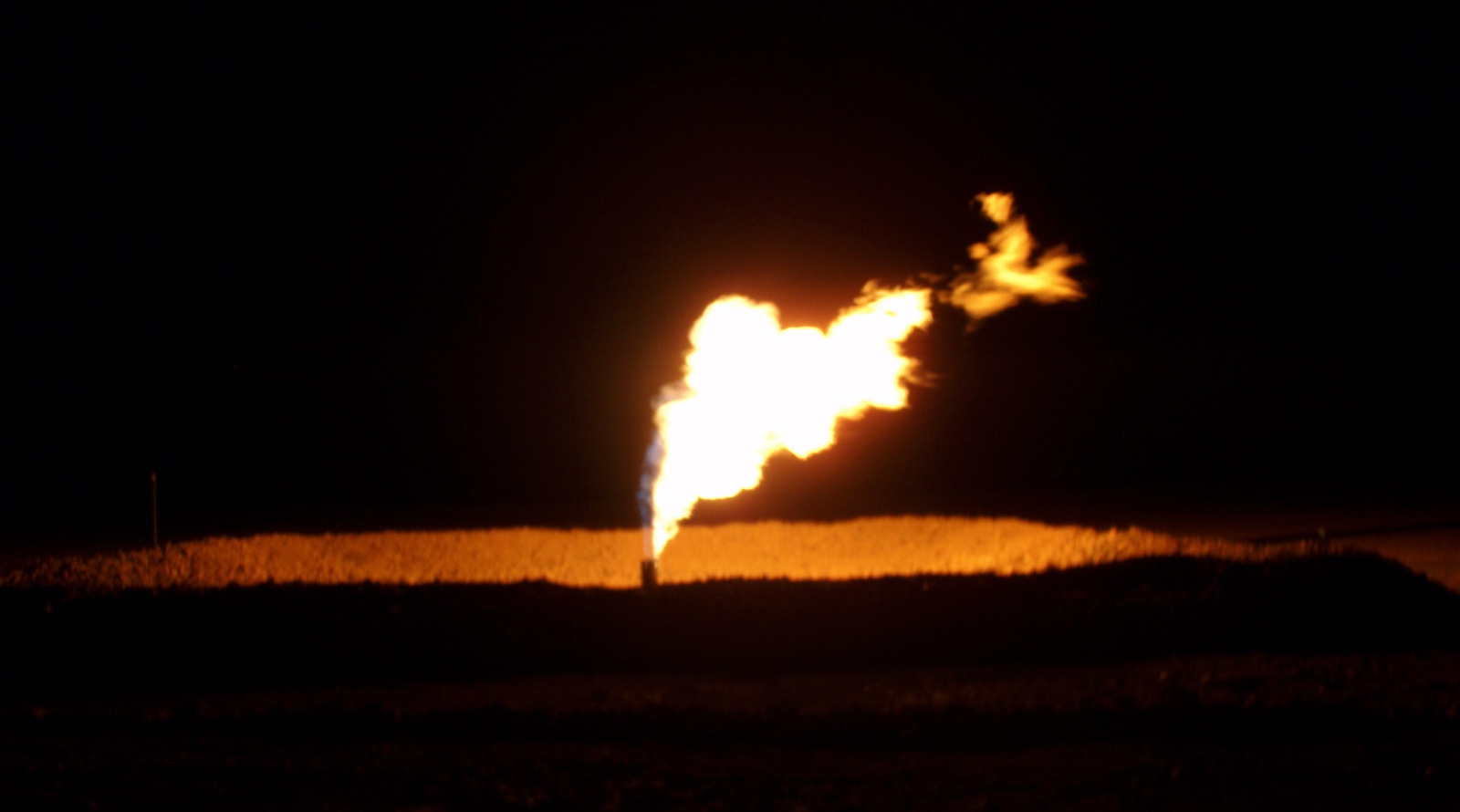
Methane reduction has emerged as the fastest lever available to slow near-term warming, according to climate scientists and policy researchers analyzing the pathway to meeting the Paris Agreement's 1.5°C and 2°C targets.
Methane accounts for roughly 30 percent of current warming from all human activities, second only to carbon dioxide. Unlike CO2, which persists in the atmosphere for centuries, methane decays within 20 to 40 years. This short atmospheric lifetime creates both challenge and opportunity. Eliminating methane emissions today produces measurable cooling within a single decade, far faster than any CO2 reduction can achieve.
The Intergovernmental Panel on Climate Change (IPCC) identified methane cuts as non-negotiable for limiting warming to 1.5°C or keeping it well below 2°C. Models consistently show that scenarios meeting these targets require methane emissions to fall 40 to 45 percent below 2010 levels by 2030. Current policies and pledges fall short, tracking instead toward 10 to 15 percent reductions by that date.
Three sectors generate the bulk of methane emissions. Agriculture, particularly livestock and rice paddies, produces roughly 40 percent of anthropogenic methane. Fossil fuel extraction, including coal mines, oil and gas operations, and pipelines, contributes approximately 35 percent. Landfills and wastewater treatment round out the remainder at 20 percent.
Agriculture presents both the largest mitigation opportunity and the steepest political resistance. Feed additives like 3-NOP (3-nitrooxypropanol) reduce enteric fermentation in cattle by up to 80 percent. Rotational grazing, manure management improvements, and dietary shifts toward plant-based proteins all lower emissions at scale. Yet adoption remains limited, especially in developing nations where livestock production drives rural incomes.
The oil and gas sector offers faster wins. Satellite data from MethaneSAT and other monitoring systems now detect methane plumes from individual wells, compressor stations, and pipeline leaks. Plugging abandoned wells, replacing aging equipment, and capturing methane for sale or flaring costs between $10 and $100 per ton of CO2 equivalent avoided. Many projects generate positive returns through recovered gas sales.
The United States, European Union, and China each announced methane reduction targets under international frameworks like the Global Methane Pledge, which now encompasses over 150 countries representing 60 percent of global GDP. The U.S. Environmental Protection Agency finalized rules in 2024 requiring methane emissions monitoring and repair timelines for oil and gas operations. The EU adopted stricter standards for imported oil and gas, penalizing suppliers with high leakage rates.
Yet enforcement remains inconsistent. Russia, the world's largest methane emitter from oil and gas, rejected new regulations. India and other agricultural exporters resisted livestock-focused measures. Developing nations cited fairness concerns, arguing that wealthy nations industrialized without methane limits and should fund global transition costs.
Recent studies from Oxford and Stanford universities model the economic case for aggressive action. Cutting methane emissions 50 percent by 2035 costs roughly $150 billion annually but avoids climate damages exceeding $400 billion per year by mid-century. Earlier action compounds these savings through lower adaptation costs and reduced climate tipping point risks.
The window narrows. Every year of delayed methane reduction locks in additional warming that no future CO2 cuts can erase within the same timeframe. Policymakers increasingly recognize that meeting temperature goals requires parallel, aggressive action on both gases simultaneously.