# South Florida's Summer Power Shutoffs Trap Vulnerable Families in Heat as Utility Collections Intensify
Power shutoffs in South Florida are accelerating during peak summer months, leaving low-income households without air conditioning during dangerous heat waves. The pattern reflects a broader collision between utility debt collection practices and extreme climate conditions that disproportionately harm farmworkers and immigrant communities in the region.
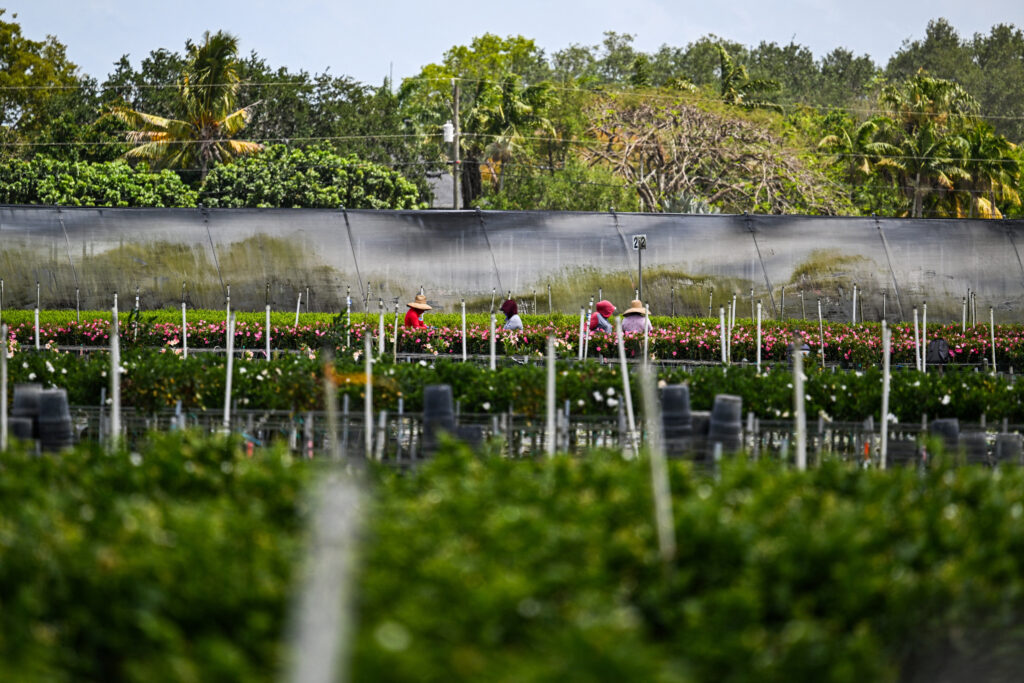
Mirella Estrada, a 51-year-old farmworker in Homestead, Florida, lost power in July when her family fell behind on electricity bills. The timing proved deadly. Without air conditioning during one of the hottest months of the year, her household faced immediate health risks. Estrada and her husband, also a farmworker, had accumulated climbing electricity debt while working seasonally and earning modest wages.
Their situation reflects a widening crisis in South Florida's utility landscape. Power companies have intensified collection efforts on overdue accounts precisely when residents depend most heavily on cooling systems. Simultaneous immigration enforcement activity in the region compounds the problem. Families already economically precarious fear both utility shutoffs and ICE raids, creating conditions where people delay reporting problems or seeking assistance.
Florida's summer temperatures regularly exceed 90 degrees Fahrenheit, with humidity making conditions feel hotter. For elderly residents, young children, and those with chronic illnesses, air conditioning represents a health necessity, not a luxury. The Centers for Disease Control documented that extreme heat exposure kills more Americans annually than hurricanes, floods, and lightning combined. Without power, vulnerable populations face heat-related illness within hours.
Utility shutoff policies in Florida typically allow disconnections after 30 to 60 days of nonpayment, with few protections for low-income households during dangerous weather. Unlike some states, Florida lacks comprehensive rules preventing summer shutoffs for residential customers. Major utilities including Florida Power and Light serve millions across South Florida while managing accounts in economically diverse communities.
The farmworker population faces unique exposure. Agricultural wages in Florida remain among the nation's lowest, with many workers earning under $25,000 annually. Seasonal employment creates income volatility that makes consistent utility payments difficult. Energy costs consume a disproportionate share of farmworker household budgets, sometimes exceeding 8 percent of income compared to the national average of 3 percent.
Immigrant communities in South Florida report additional barriers to assistance. Fear of immigration enforcement discourages some from applying for utility assistance programs or seeking payment plan negotiations with power companies. Outreach by nonprofits and government agencies becomes less effective when residents distrust interactions with official institutions.
Local nonprofits in Miami-Dade and Homestead counties operate assistance programs, but funding remains inadequate to meet demand. Community Action Agencies distribute limited funds for emergency utility assistance, yet waiting lists extend months. The timing mismatch proves critical: families need help during summer months when cooling bills spike, but programs operate on fiscal year cycles that may not align with peak hardship periods.
Florida's Policy Environment on utility shutoffs lacks protections standard in other states. Advocates have pushed for summer disconnection moratoriums and mandatory payment plans for low-income customers, but legislative efforts have stalled. The state Public Service Commission regulates utilities but has not implemented comprehensive heat-season protections.
Climate change intensifies the crisis. Rising temperatures extend cooling seasons and increase air conditioning demand. Studies project that Florida's summer temperatures will rise 2 to 3 degrees Fahrenheit by 2050, pushing cooling costs higher and straining household budgets further.