# Maui Wildfire Survivors Face Contractor Fraud Three Years After Lahaina Disaster
Three years after the August 2023 Lahaina wildfire killed over 100 people and destroyed nearly 2,200 structures, survivors rebuilding their lives face a second catastrophe: predatory contractors draining their recovery funds.
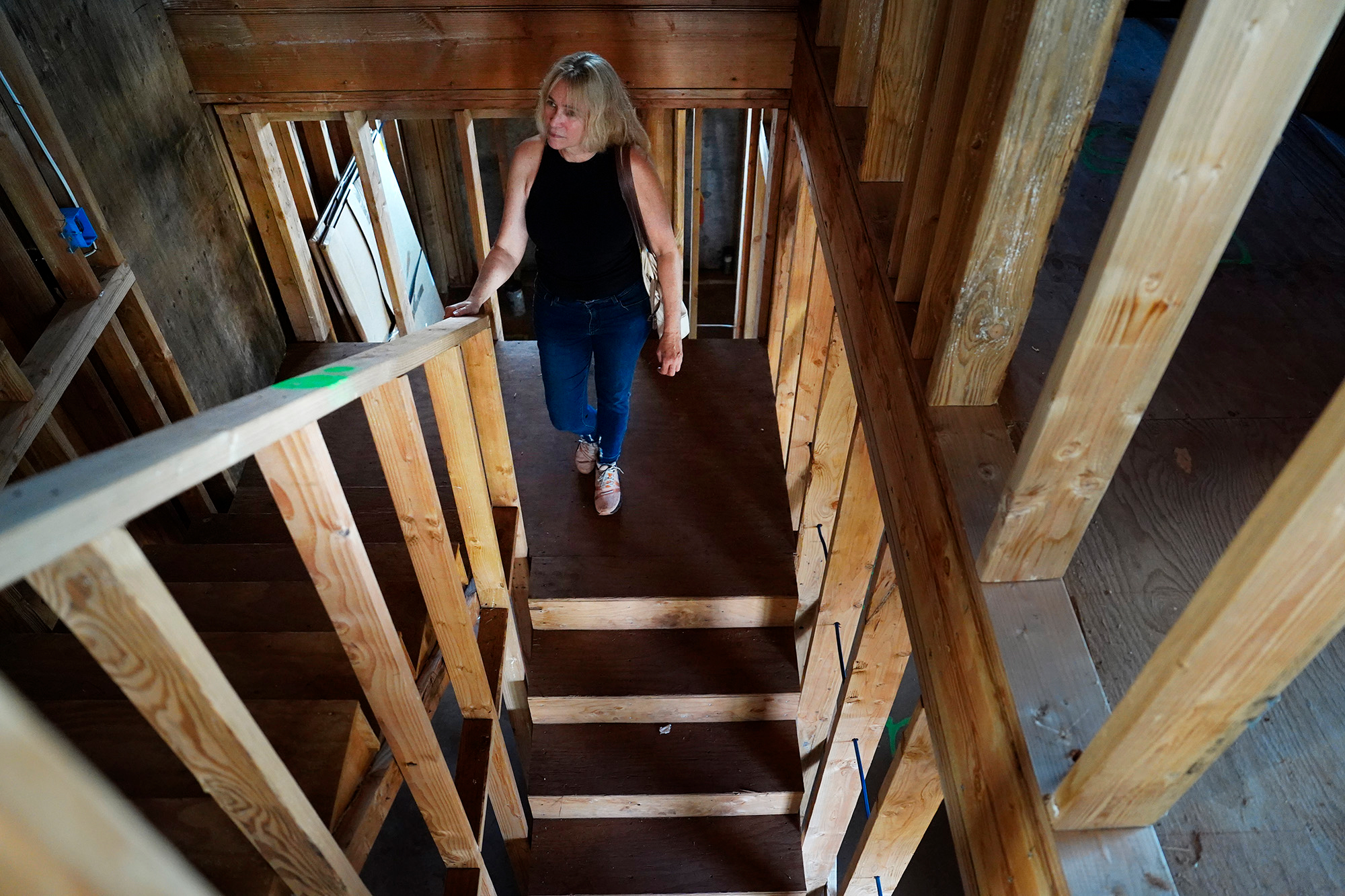
Raquel Utrillo's family lost their childhood home in the deadliest U.S. wildfire in over a century. While neighbors have completed rebuilds, her family's lot sits empty. The reason: contractors have extracted thousands of dollars for work never completed or substandard repairs, according to reporting by Inside Climate News and Honolulu Civil Beat.
The Lahaina fire burned 2,170 acres in Maui County on August 8, 2023, killing 102 people and displacing thousands more. Insurance payouts came slowly. Federal disaster assistance proved inadequate for the scale of destruction. This created a vacuum that contractors filled, often exploiting survivors' desperation and limited oversight capacity.
Survivors report contractors demanding upfront payments, then vanishing or delivering incomplete work. Some required down payments of 30 to 50 percent before beginning projects. When work stalled or failed quality checks, survivors discovered the contractors had dissolved their businesses or disappeared from the islands entirely.
The Hawaii Department of Commerce and Consumer Affairs lacks sufficient staff to investigate all complaints in a timely manner. No state licensing requirement exists for general contractors in Hawaii, allowing unlicensed operators to take jobs without accountability mechanisms. Survivors pursuing legal action face mounting legal fees they cannot afford.
Insurance companies also contributed to the problem. Adjusters sometimes valued repairs below actual costs, forcing survivors to supplement claims from personal savings or loans. When contractors promised to bridge the gap, some simply collected the difference without delivering promised work.
Local nonprofits including Maui Strong Foundation and various churches attempted to fill gaps by vetting contractors and offering direct assistance. But demand far exceeded available resources. By 2026, thousands of properties remained in various stages of reconstruction, with survivors stuck in temporary housing or living in damaged structures.
Climate science documents that warming ocean temperatures increase the probability of conditions favoring rapid wildfire spread in Hawaii. The 2023 Lahaina fire followed months of drought exacerbated by climate change and ocean patterns. Maui's water diversion infrastructure also worsened conditions by reducing water availability for firefighting and local agriculture.
The contractor fraud crisis revealed deeper vulnerabilities in Hawaii's disaster recovery infrastructure. Survivors lack accessible mechanisms to verify contractor credentials. Payment protections remain minimal. Recovery timelines stretch far beyond what residents anticipated.
Advocacy groups pushed Hawaii legislators to strengthen contractor licensing requirements and create a disaster recovery fund specifically for wildfire reconstruction. These efforts gained traction following media investigations documenting the scale of fraud.
Utrillo's family represents thousands facing uncertain timelines for returning home. As climate-driven wildfires intensify across the Western United States, the Lahaina experience offers a cautionary example of how disaster response failures can compound the suffering of those already devastated by environmental catastrophe.