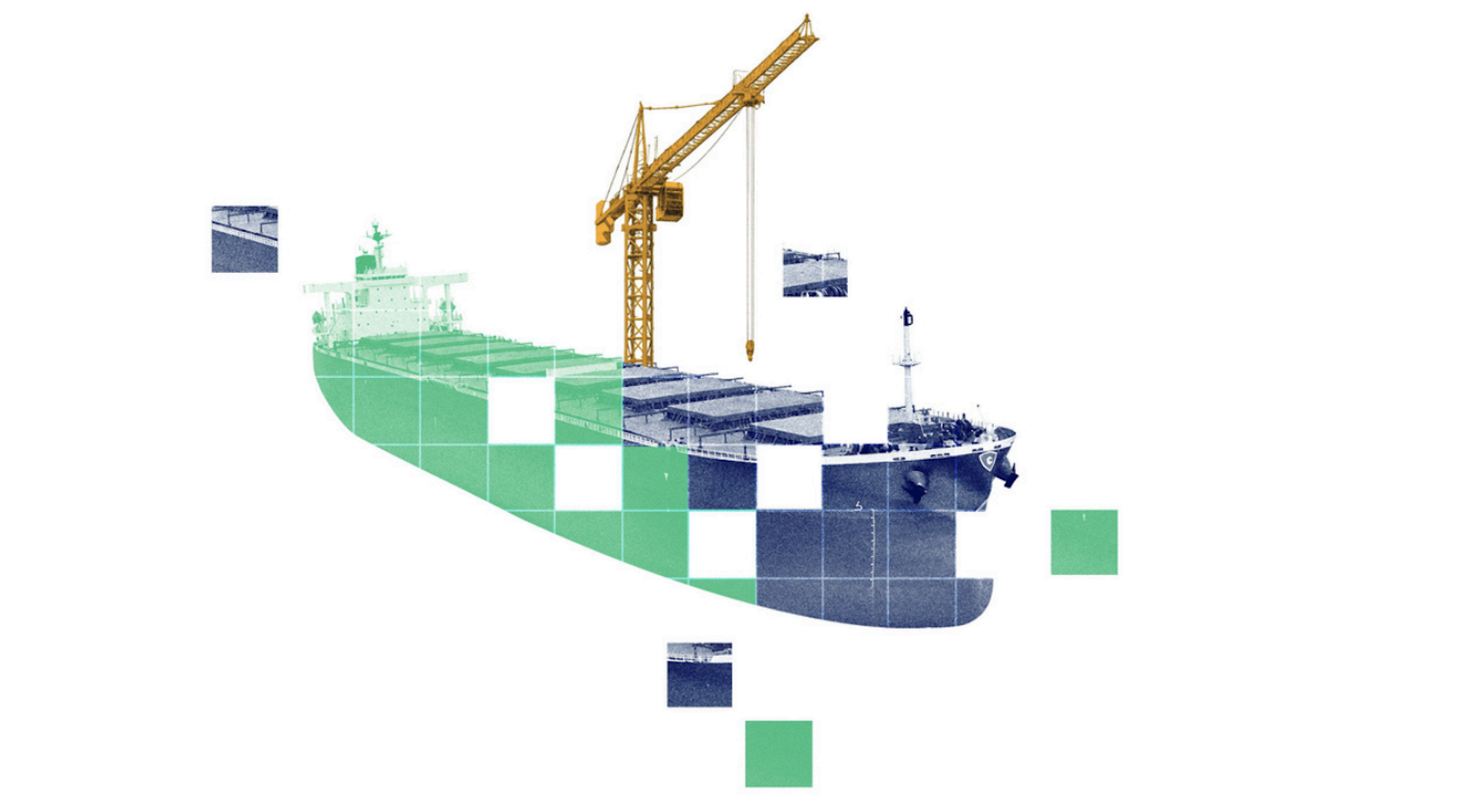
A new study confirms that European Union shipping companies are sending roughly 95 percent of end-of-life vessels to shipbreaking yards in South Asia rather than using available recycling capacity within Europe, exporting environmental damage and occupational hazards across continents.
The research documents that EU-owned and EU-flagged ships are overwhelmingly sent for dismantling in India, Pakistan, and Bangladesh, where workers dismantle vessels on beaches under conditions that fall far below European environmental and labor standards. This pattern persists despite Europe possessing sufficient domestic capacity to recycle the vast majority of these ships domestically.
Only 5 percent of EU ships' tonnage gets dismantled within European borders. The remaining 95 percent travels thousands of miles to South Asian beaching yards, where the process exposes workers to toxic materials including asbestos, lead, and polychlorinated biphenyls while generating massive quantities of hazardous waste that contaminates soil and water. The economic logic driving this choice is straightforward. Scrapping ships in India, Pakistan, or Bangladesh costs roughly 40 to 50 percent less than recycling them in Europe, according to industry data. EU shipowners choose the cheaper option regardless of the human and environmental toll in destination countries.
The disparity between capacity and practice reveals a regulatory gap. The European Union has established strict Ship Recycling Regulation (SRR) standards that mandate proper handling of hazardous materials and worker safety protections. These standards apply to vessels over 500 gross tonnage flagged in EU member states or operated by EU companies. Yet enforcement remains porous. Companies can circumvent rules by reflagging ships to third countries or altering ownership structures just before vessels reach end-of-life.
South Asian shipbreaking generates an estimated 2 to 3 million tons of hazardous waste annually across all sources, not just EU vessels. Workers in these yards, numbering in the tens of thousands, face acute injury risks from explosions, falls, and toxic exposures. Death rates in South Asian shipyards run approximately 100 times higher than in European facilities, according to occupational safety research.
The study was likely conducted by an environmental or labor rights organization tracking compliance with EU regulations. The findings align with prior investigations by groups including Greenpeace and the International Labour Organization that have documented the systematic routing of wealthy nations' waste ships to poorer countries.
European regulators could tighten enforcement mechanisms, require companies to demonstrate compliance at sale, or impose financial penalties that eliminate cost savings from overseas scrapping. Some EU member states have proposed bans on exporting vessels to non-EU recycling yards, though implementation remains limited. The shipping industry argues that expanded European recycling capacity requires capital investment that higher labor and environmental compliance costs make economically unviable.
The contrast between available European capacity and actual recycling patterns demonstrates how international shipping policy creates incentives for externalizing costs. Vessels built in and operated from European ports generate jobs and tax revenue for decades. When those ships reach the end of their operational life, the entire dismantling process and its hazards migrate to the Global South.