Iceland voters rejected European Union membership talks for a second time, deciding to prioritize fishing rights over deeper continental integration. The 52.8 percent "no" vote represents a narrow victory for Euroskeptics, with just 12,700 votes separating the two camps, according to Iceland's National Electoral Commission.
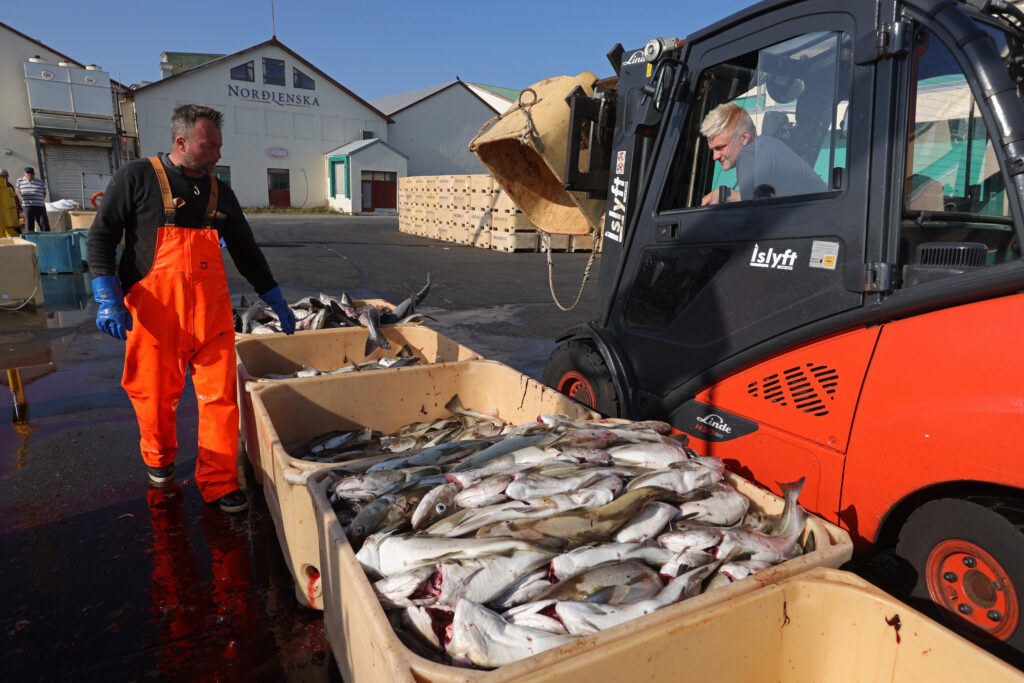
The core dispute centers on fish stocks in Icelandic waters. The EU's Common Fisheries Policy would impose quotas and regulations that Iceland's fishing industry views as existential threats. Iceland's economy depends on marine resources far more than most EU members. The country's fishing sector accounts for roughly 12 percent of export revenues and supports thousands of jobs in a nation of 370,000 people.
This marks the second time Icelanders have rejected EU accession. Previous negotiations collapsed over identical concerns in the early 2010s when the country last held membership talks. The debate has remained frozen in amber since then, with fishing stakes only sharpening as climate change alters marine ecosystems and species migration patterns.
EU membership would require Iceland to surrender unilateral control over its exclusive economic zone, a 200-nautical-mile marine territory that contains some of the North Atlantic's most productive cod, haddock, and capelin fisheries. Under Common Fisheries Policy rules, EU fishing vessels gain access rights that Icelandic policymakers consider incompatible with the nation's resource management approach. Iceland manages its fisheries through individual transferable quotas, a system designed to prevent overfishing while allowing profitable operations. EU membership would dismantle this framework.
Climate change adds urgency to the standoff. Warming Atlantic waters drive fish species northward and eastward. Capelin stocks have already shifted dramatically. Cod populations fluctuate with ocean temperature patterns. Iceland's fishing communities view direct control over quota management as essential adaptation policy, not merely economic preference.
The vote reflects broader Nordic ambivalence toward EU authority. Iceland, along with Norway, has historically resisted membership while maintaining close trade and political ties with Europe. Norway's fishing independence similarly drives its non-member status. Both countries recognize that EU environmental and fisheries regulations, while scientifically sound, prioritize continent-wide sustainability goals over individual nation resource interests.
For environmental policy, the referendum outcome complicates conservation efforts. Iceland operates outside EU environmental directives on marine protection, which set stricter ecosystem-based management standards. However, Iceland also maintains some independent protections. The government implements marine spatial planning and protects certain breeding areas for seabirds and marine mammals through national law.
The narrow margin reveals Icelandic society remains divided. Younger voters, urban professionals, and some economic sectors favored EU entry. Rural fishing communities and traditional industries mobilized against it. Pro-EU campaigns emphasized job creation, research funding access, and broader European participation. Euroskeptics warned of sovereignty loss and resource theft.
This decision leaves Iceland in an intermediate position. The country participates in the European Economic Area and Schengen zone but retains total fishing autonomy. It maintains NATO membership without EU political structures. The referendum outcome locks in this status quo indefinitely, absent future public opinion shifts.
For ocean management in the North Atlantic, Iceland's refusal means another major fishing nation remains outside coordinated EU environmental policy. It also signals that economic dependencies on natural resources can override political and social integration impulses, even in wealthy, developed democracies.