# West Point Fires Its Only Climate Scientist Over Human-Caused Climate Teaching
The U.S. Military Academy at West Point terminated Adam Kalkstein, its sole climate scientist on staff, after he refused to stop teaching that human activities drive climate change. Kalkstein's dismissal marks an escalation in restrictions on climate science instruction at one of the nation's premier military institutions.
Kalkstein, who held the position of climate scientist in the Department of Geography and Environmental Engineering, received explicit orders from academy leadership prohibiting him from attributing climate change to human causes in his classes. When he continued teaching the scientific consensus that greenhouse gas emissions and other anthropogenic factors warm the planet, the academy moved to terminate his employment.
The geoscientist compared the administrative directive to an absurd legal analogy. "It's like trying to teach the law without mentioning the Constitution," Kalkstein stated, capturing the core conflict. The order effectively demanded that climate instruction omit its foundational scientific basis.
Kalkstein's firing reflects broader tensions between military institutions and climate science literacy. The Department of Defense has designated climate change a threat multiplier affecting national security, from destabilizing coastal installations to straining operational readiness. Yet West Point's decision contradicts that institutional position by suppressing the teaching of human responsibility for warming.
The move also raises questions about academic freedom within military academies. Faculty members traditionally enjoy some protection to teach established science, particularly in institutions that train officers who will manage climate-related crises. Cadets graduating from West Point face deployment to regions where climate impacts compound existing conflicts and resource scarcity. Training them without understanding anthropogenic drivers limits their ability to assess and respond to these security challenges.
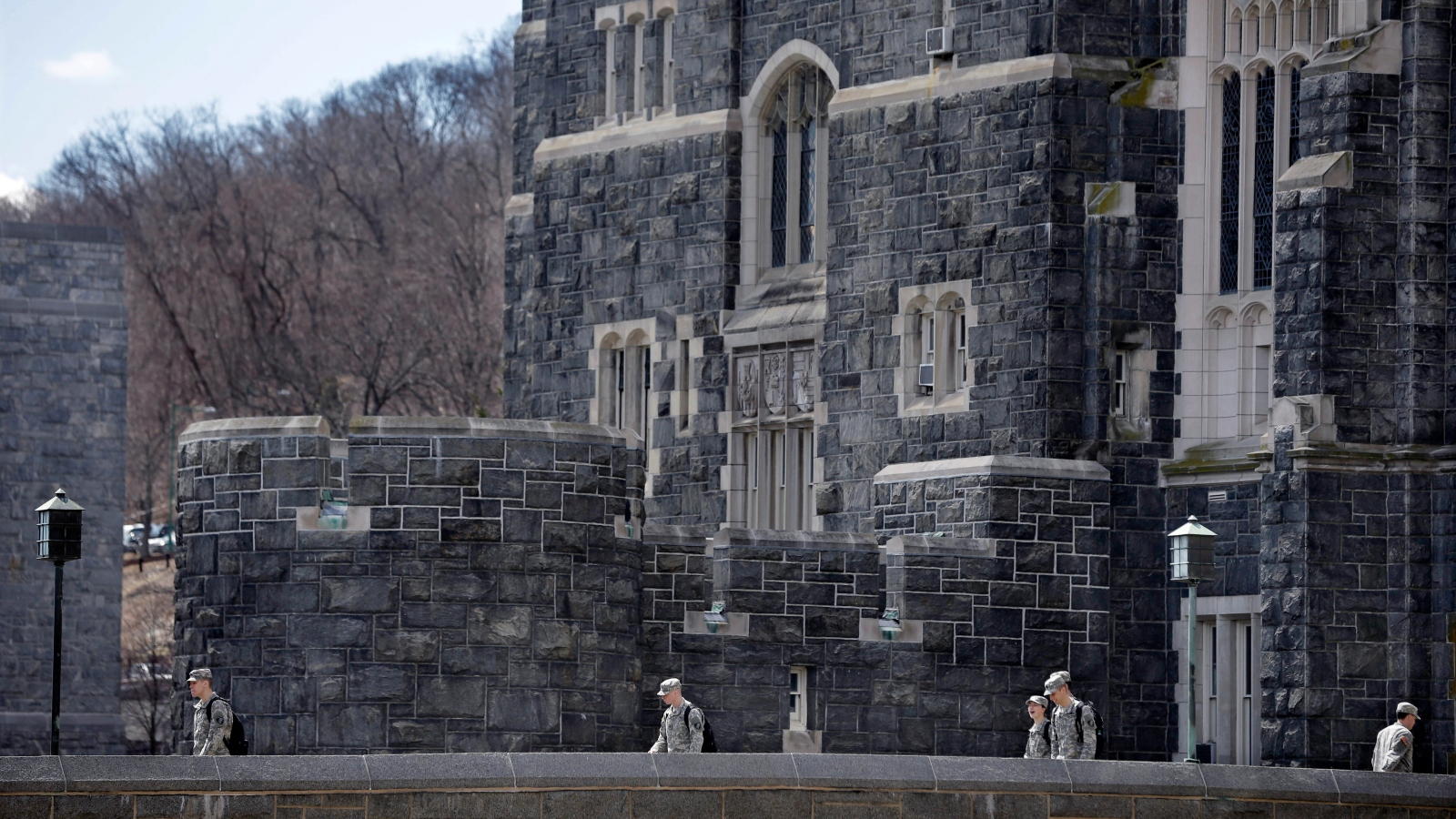
West Point's administration has not publicly detailed its reasoning for the directive or the termination. The academy serves 4,400 cadets across its main campus in New York and operates under Department of Defense oversight. Its climate and environmental curriculum now proceeds without the expertise of someone qualified to teach the subject comprehensively.
This decision follows a pattern of heightened scrutiny on climate education in educational institutions. Several states have passed legislation restricting how climate change can be taught in public schools. West Point's action, however, occurs within a federal military context where climate literacy directly connects to operational effectiveness and strategic planning.
The termination also highlights staffing vulnerabilities. With only one dedicated climate scientist on a faculty of hundreds, the academy lacked redundancy. The decision eliminates West Point's institutional expertise in a field the Pentagon itself recognizes as strategically vital.
Kalkstein's position represented years of specialized training in climate science and its military applications. Finding a replacement with comparable credentials willing to accept restrictions on scientific instruction may prove difficult. The academy risks becoming less prepared to educate future military leaders about the climate risks they will inherit.
The firing sends a message to other academics considering work within military institutions. Teaching mainstream climate science now carries employment risk at West Point. This may deter climate scientists from military academy positions, further narrowing the pool of instructors available to teach future officers about planetary warming.