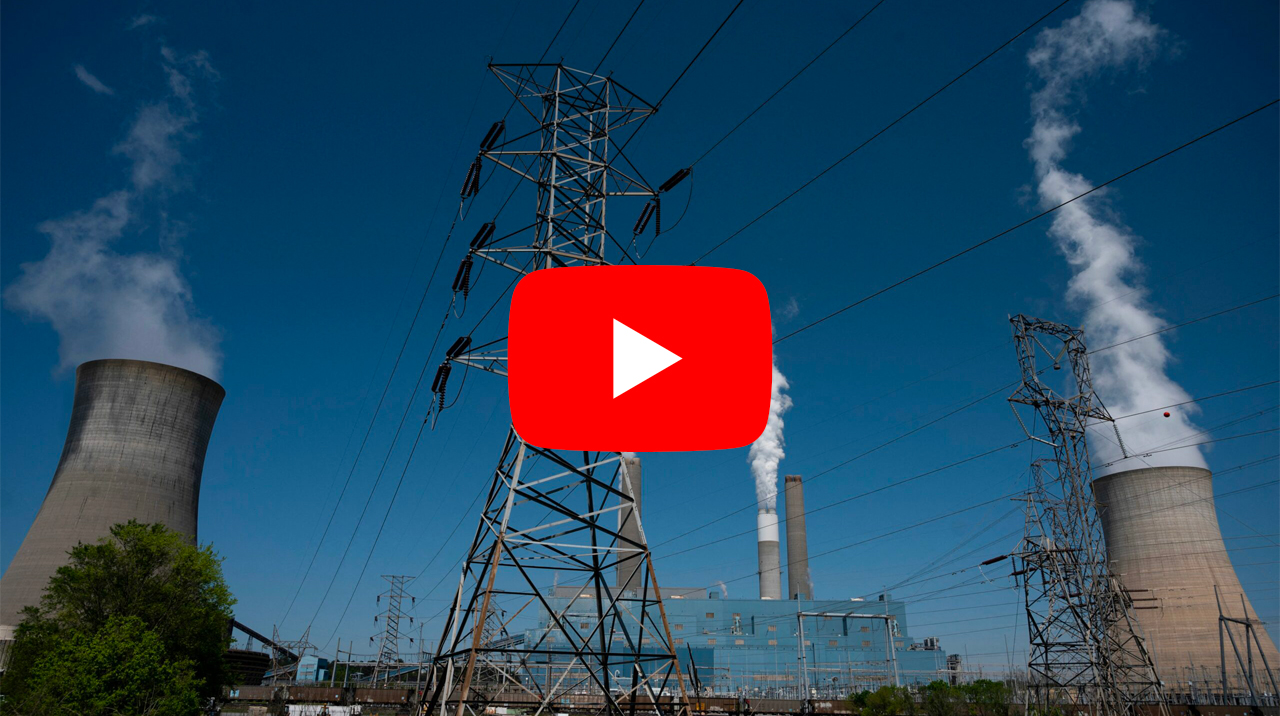
# Alabama Faces Mounting Pressure Over Residential Electricity Costs
Residential utility bills in Alabama have become a flashpoint for consumer frustration and policy debate as energy demand climbs and customers shoulder steeper monthly costs. Inside Climate News reporters Dennis Pillion and Lee Hedgepeth have documented the mechanics behind these price increases, revealing a complex web of infrastructure investments, fuel sourcing decisions, and regulatory approval processes that directly affect household budgets across the state.
Alabama's electricity market reflects a broader U.S. pattern. As summer temperatures rise and air conditioning loads intensify, utilities request rate increases to fund grid modernization, generation capacity expansion, and transmission upgrades. The Alabama Public Service Commission, the state's utility regulator, must balance utility companies' need for revenue against consumers' ability to pay. These rate cases have grown more contentious as bills climb.
The state's power generation mix shapes costs substantially. Alabama relies on a diverse portfolio including nuclear power from the Tennessee Valley Authority, coal-fired plants, natural gas facilities, and growing renewable capacity. Each fuel source carries different operating and capital costs. Natural gas price volatility ripples through wholesale electricity markets. Nuclear plants require substantial upfront investment but deliver low-marginal-cost generation once operational. These infrastructure choices, made decades ago and updated incrementally, determine today's price structure.
Customer frustration centers on the gap between income growth and bill increases. Many Alabama households face utility expenses that consume larger percentages of their monthly budgets than in neighboring states or national averages. Fixed-income seniors and low-wage workers face particular hardship. The state's Public Service Commission has authority to reject or modify rate requests, but utilities argue that infrastructure must be maintained and upgraded to ensure reliability and accommodate population growth.
The reporting by Pillion and Hedgepeth provides a granular view of how energy policy decisions made in regulatory hearings translate into household expenses. Their podcast, produced by Inside Climate News and available on YouTube, Spotify, and Apple Podcasts, brings transparency to proceedings that often escape public attention. The conversation between co-host Kiley Price and the Alabama correspondents explores why customers in Alabama pay more than counterparts elsewhere and what options exist for relief.
Energy demand management emerges as one lever for addressing costs. Demand-response programs incentivize consumption during off-peak hours when wholesale prices drop. Weatherization assistance helps lower-income households reduce usage. Distributed solar and battery storage can offset grid demand, though upfront costs limit adoption among cost-constrained consumers.
The broader energy transition complicates the picture further. Coal plants that powered Alabama's economy for decades now face retirement timelines as natural gas and renewables displace thermal generation. Utilities must invest in replacement capacity while maintaining grid stability. These transition costs ultimately appear on customer bills, though their distribution across customer classes remains contested.
Alabama's experience typifies challenges facing utilities and regulators nationwide. Rising electricity demand driven by heat stress, electrification of transportation, and industrial growth collides with aging infrastructure and climate-related grid stress. Customers deserve transparency about how rates are set and what drives cost increases. Pillion and Hedgepeth's reporting fulfills that function, documenting the human impact of energy policy decisions made in regulatory chambers far from public view.