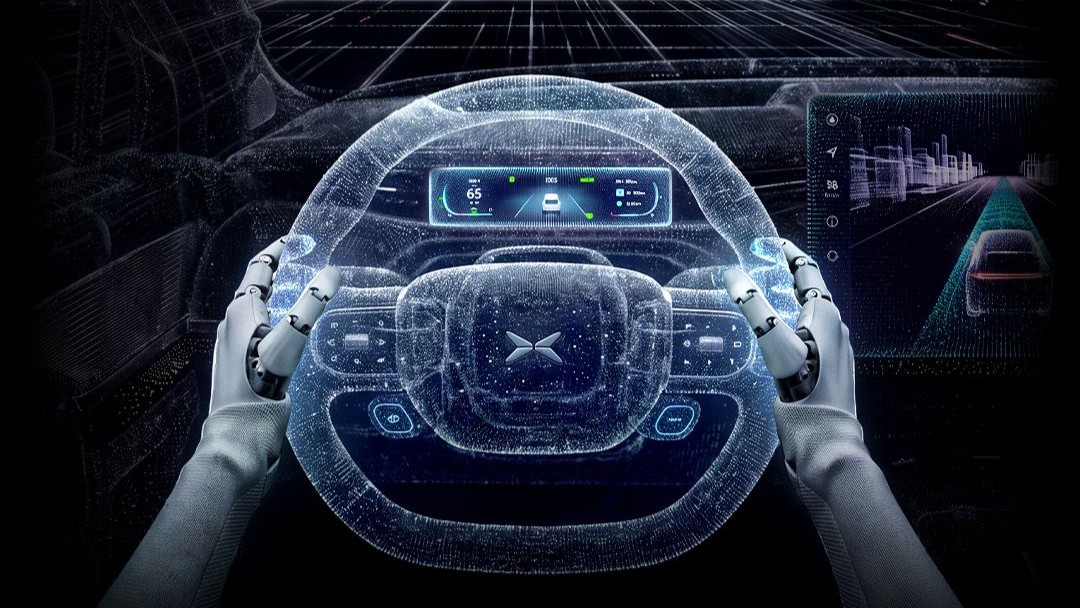
# XPENG Accelerates Physical AI Development With Humanoid Robot and Advanced Driving Systems
XPeng, the Chinese electric vehicle and robotics manufacturer, announced major advances in physical artificial intelligence this week, unveiling progress on its IRON humanoid robot platform and VLA 2.0 intelligent driving system. The developments signal the company's push into robotics and autonomous vehicle technology, though revenue from these initiatives remains nascent.
The IRON humanoid robot represents XPeng's entry into the rapidly commercializing robotics sector. Humanoid robots are attracting billions in venture capital and corporate investment globally as manufacturers race to deploy machines capable of performing physical tasks in factories, warehouses, and service environments. XPeng's timing reflects competitive pressure from companies like Tesla, which demonstrated its Optimus prototype, and Boston Dynamics, which has commercialized its Atlas platform.
VLA 2.0, described as an intelligent driving system, builds on XPeng's existing autonomous driving capabilities. The company has positioned itself as a leader in Chinese EV autonomous features, competing directly with Tesla's Full Self-Driving beta and legacy automakers developing Level 2 and Level 3 autonomous systems. VLA 2.0 represents an architectural upgrade, likely incorporating advanced vision language models to interpret driving scenarios more comprehensively than previous iterations.
XPeng operates in a complex competitive landscape. In China, the company competes with BYD in EVs and faces emerging robotics competitors. Globally, it confronts Tesla's established autonomous driving lead and traditional automakers' rapidly expanding EV portfolios. The company has pursued a dual strategy: selling profitable electric vehicles while investing heavily in future technologies like robotics and autonomous systems that have not yet generated substantial revenue.
The announcement carries environmental implications. Autonomous driving technology, if deployed at scale, could reduce traffic congestion and improve fuel efficiency in transportation networks. Humanoid robots might eventually replace human workers in energy-intensive manufacturing and logistics operations, potentially lowering overall industrial emissions. However, these environmental benefits depend entirely on whether the technology works as promised and achieves meaningful adoption.
XPeng's diversification away from vehicles alone reflects a broader industry trend. Traditional automakers increasingly view themselves as technology platforms rather than just vehicle manufacturers. The company has invested in battery technology, semiconductor design, and now robotics platforms. This capital-intensive approach requires continued access to funding and markets willing to purchase its vehicles at profitable margins to subsidize R&D spending.
The announcement provides no specific timelines for when IRON robots or VLA 2.0 systems will generate revenue. Both technologies face engineering, regulatory, and commercialization hurdles. Humanoid robots must demonstrate reliability, safety, and cost-effectiveness compared to purpose-built machines. Autonomous driving systems must achieve safety records that satisfy regulators and consumers across different geographies with varying road infrastructure and traffic patterns.
XPeng's next milestone involves translating these technological announcements into profitable business segments. The company must demonstrate that customers will purchase robots and autonomous driving services at prices that yield returns on invested capital. Without revenue traction, even sophisticated technology announcements risk disappointing investors accustomed to traditional automotive profit metrics.