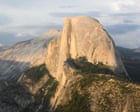
The Trump administration is pushing the National Park Service to transfer a quarter-mile parcel of land inside Yosemite National Park to Kingsbarn Realty Capital, a Nevada-based private developer, according to reporting by Notus published Friday. The company seeks to construct a private road across park land to access a development project located outside the park boundary.
Park Service staff have been tasked with identifying legal pathways to execute the land transfer. The proposal represents a direct challenge to the 1916 Organic Act, which established the National Park System with a mandate to preserve park lands "unimpaired for future generations." Yosemite, visited by roughly 3.3 million people annually, sits among the nation's most visited protected areas.
Kingsbarn Realty Capital has not disclosed publicly what development the private road would serve or where it would be situated relative to the park's 750,000-acre boundary. The vagueness surrounding the project's scope and location complicates environmental review. Typically, National Park Service decisions of this magnitude undergo environmental impact assessments under the National Environmental Policy Act, though the administration's push suggests an expedited approval process may be underway.
This move aligns with Trump administration policies prioritizing resource extraction and private development within federal lands. Interior Secretary Doug Burgess has already signaled openness to selling or leasing public lands to private parties. Such disposals of park acreage have drawn intense opposition from conservation groups including the Sierra Club and National Parks Conservation Association, which argue that privatizing park land sets a precedent for commercializing other protected areas.
The legal basis for transferring park land to private developers remains contested. The National Park Service typically maintains strict prohibitions against private development within park boundaries, with narrow exceptions for existing concessions and utility corridors. A quarter-mile parcel represents a substantial acreage, far larger than typical utility easements. Legal scholars have suggested that any such transfer would likely face court challenges under the Administrative Procedure Act and conservation statutes.
Environmental concerns extend beyond land use. A private road cutting through park terrain would fragment habitat, increase noise pollution, and alter visitor experience in a wilderness area. Yosemite contains critical habitat for Sierra Nevada bighorn sheep, California spotted owls, and other species protected under the Endangered Species Act. Any ground disturbance from road construction would require consultation with the U.S. Fish and Wildlife Service under Section 7 of that statute.
Congressional oversight bodies have begun requesting documentation of these negotiations. Democratic members of the House Natural Resources Committee have demanded the Park Service produce all internal communications regarding discussions with Kingsbarn. The administration has not yet responded to those requests, which were filed in late February.
The broader political context matters here. Trump's 2024 campaign platform included promises to expand oil and gas leasing, reduce environmental regulations, and prioritize private sector interests on federal lands. This Yosemite proposal appears to test the boundaries of executive authority to reshape public land policy without legislative approval.
Park Service career staff have expressed internal concerns about the legality and precedent of the arrangement, according to Notus sources. One unnamed official stated that approving the transfer would contradict decades of agency doctrine protecting park boundaries from private encroachment.