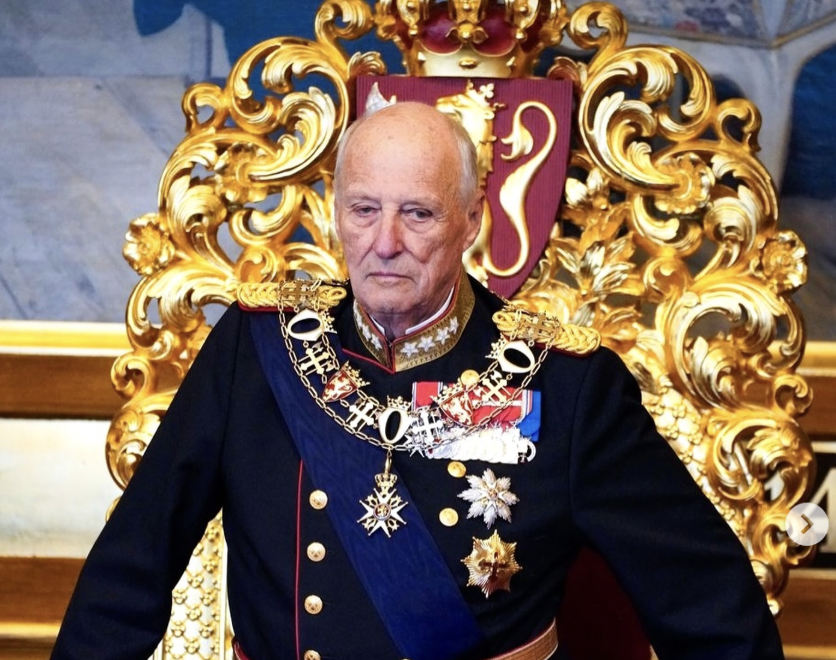
King Harald V of Norway, who died August 28 at age 89 after a 35-year reign, left behind a legacy as a quiet but consequential champion of clean energy and environmental stewardship. His passing marks the end of an era in which Norway became a global leader in renewable technology and climate action, all while a constitutional monarch maintained strict political neutrality.
Harald's influence on Norway's environmental trajectory operated largely outside formal policy channels. As sovereign of a nation bound by constitutional constraints on royal political engagement, he wielded influence through patronage, public messaging, and alignment with the country's institutional commitments to sustainability. This approach allowed Norway to advance aggressive climate and clean energy goals without the appearance of direct monarchical intervention in governance.
Under Harald's reign, Norway became the world's leading electric vehicle market by percentage of new car sales, reaching over 90 percent EV adoption in recent years. The nation also became a global hub for hydrogen technology development and offshore wind innovation. These achievements reflected both deliberate state policy and the cultural values the king publicly endorsed through his environmental advocacy and personal choices.
Harald championed conservation efforts across multiple domains. He served as patron of environmental organizations and used his platform to normalize climate consciousness among Nordic citizens. His support for the World Wildlife Fund and various Norwegian conservation initiatives demonstrated consistent commitment to biodiversity protection and ecosystem restoration, particularly in Arctic regions where climate change poses acute threats.
Norway's position as an oil and gas exporter created inherent tensions with environmental leadership. Harald navigated this contradiction by supporting a gradual energy transition rather than immediate divestment. His reign witnessed Norway's sovereign wealth fund, built on oil revenues, increasingly divest from fossil fuel companies. By 2019, the Norwegian Government Pension Fund divested from oil and gas exploration and production firms. This shift reflected both official policy and the monarch's cultural alignment with environmental values.
The king's environmental work extended to Arctic governance. As sovereign of a nation with significant Arctic territory, Harald advocated for polar region protection and indigenous rights, recognizing connections between climate justice and environmental stewardship. His visits to Svalbard and engagement with northern communities underscored this commitment.
Harald's successor, King Harald VI, assumes the throne at a moment when Norway faces intensified pressure to reconcile its clean energy leadership with continued petroleum extraction. The new king inherits both the environmental expectations established during his father's reign and the complex political realities surrounding energy transition in a wealthy petrostate.
International climate observers and environmental advocates recognized Harald as a rare example of institutional environmental leadership operating within constitutional limits. His death removes a symbolic figure whose moral authority reinforced Norway's climate commitments during a period of accelerating climate impacts and shifting global energy markets.
Norway's clean tech sector, among the world's most advanced, will continue advancing regardless of monarchy. Yet Harald's consistent public alignment with environmental values provided cultural continuity that complemented official policy. His passing closes a chapter in which Nordic monarchy and environmental stewardship became intertwined.