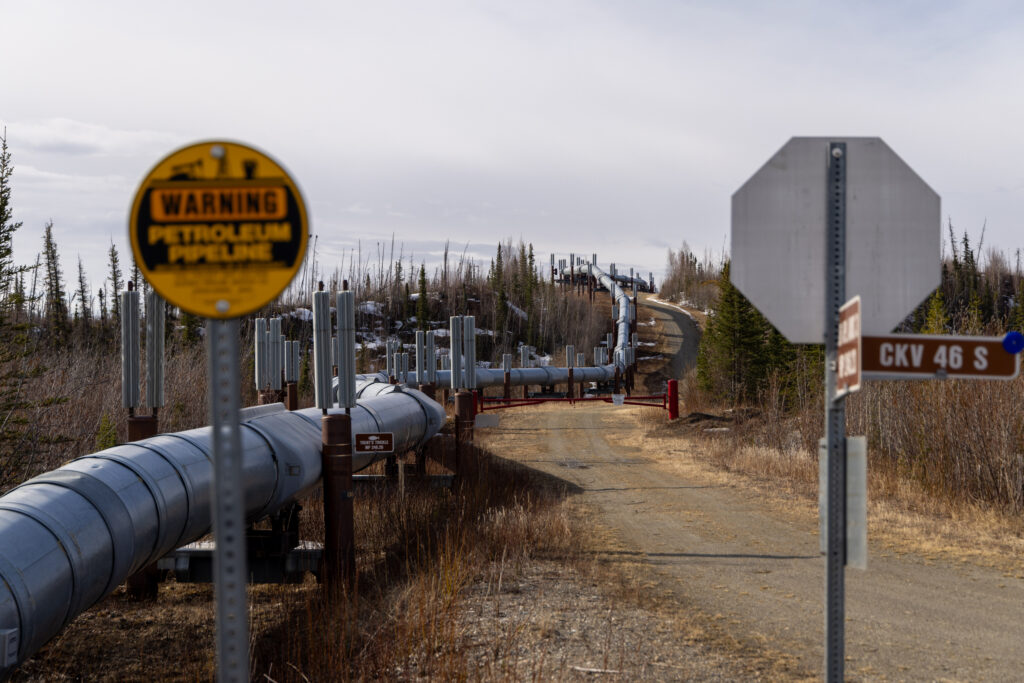
The Trump administration has launched an accelerated environmental review of the Trans-Alaska Pipeline System, an 800-mile network of infrastructure spanning pump stations, access roads, bridges, and fuel gas lines. The Bureau of Land Management, which oversees the project, has shortened the public comment period for the review process. The reauthorization would extend the pipeline's operating license for another 30 years.
The Trans-Alaska Pipeline has transported crude oil from Prudhoe Bay to the port of Valdez since 1977. The system moves approximately 470,000 barrels per day, making it a backbone of Alaska's economy and a source of federal and state revenue. The current operating authorization expires in 2024, making reauthorization necessary for continued operation.
Environmental groups argue that expediting review undermines meaningful public participation. A compressed comment window limits the time citizens, Alaska Native communities, and conservation organizations have to submit concerns about climate emissions, spill risks, and ecosystem impacts. The pipeline crosses sensitive terrain including the North Slope, interior wetlands, and coastal zones that support subsistence hunting and fishing. A major spill could contaminate freshwater aquifers and marine fisheries that communities depend on for food security.
The pipeline operates in one of Earth's most climate-sensitive regions. Arctic warming has accelerated at roughly twice the global average rate, according to data from the National Oceanic and Atmospheric Administration. Permafrost thaw threatens pipeline infrastructure stability. The Alaska Department of Transportation has documented subsidence and ground deformation affecting existing facilities. Extending the pipeline's life by three decades commits additional carbon infrastructure to an era when emissions reductions are accelerating globally.
Oil transported through the system generates approximately 150 million metric tons of carbon dioxide equivalent over its lifecycle, from extraction through combustion. This calculation includes emissions from production, refining, and end-use consumption. Extending the pipeline's authorization locks in these emissions through 2054.
The administration argues that the pipeline supports domestic energy production and Alaska employment. The pipeline currently supports roughly 300 direct jobs and contributes over $1 billion annually to Alaska's state budget. Pipeline revenue funds schools, hospitals, and infrastructure projects across the state.
The environmental review process typically involves a Notice of Intent published in the Federal Register, a comment period for public input, preparation of an Environmental Assessment or Environmental Impact Statement depending on anticipated impacts, and a final agency decision. Shortening this timeline reduces the depth of analysis possible for climate, wildlife, and subsistence use impacts.
Alaska Native communities, including the Inupiaq, Athabascan, and other groups, have requested consultation on reauthorization. Subsistence practices tied to marine and terrestrial ecosystems remain legally and culturally central to these communities. The shortened review period raises consultation timeline concerns.
Federal courts have previously upheld environmental review requirements for pipeline projects. In 2019, the Ninth Circuit Court of Appeals blocked the Keystone XL pipeline expansion partially on grounds that climate emissions analysis was inadequate. The Trump administration's streamlined review may face similar legal scrutiny if organizations challenge the decision.