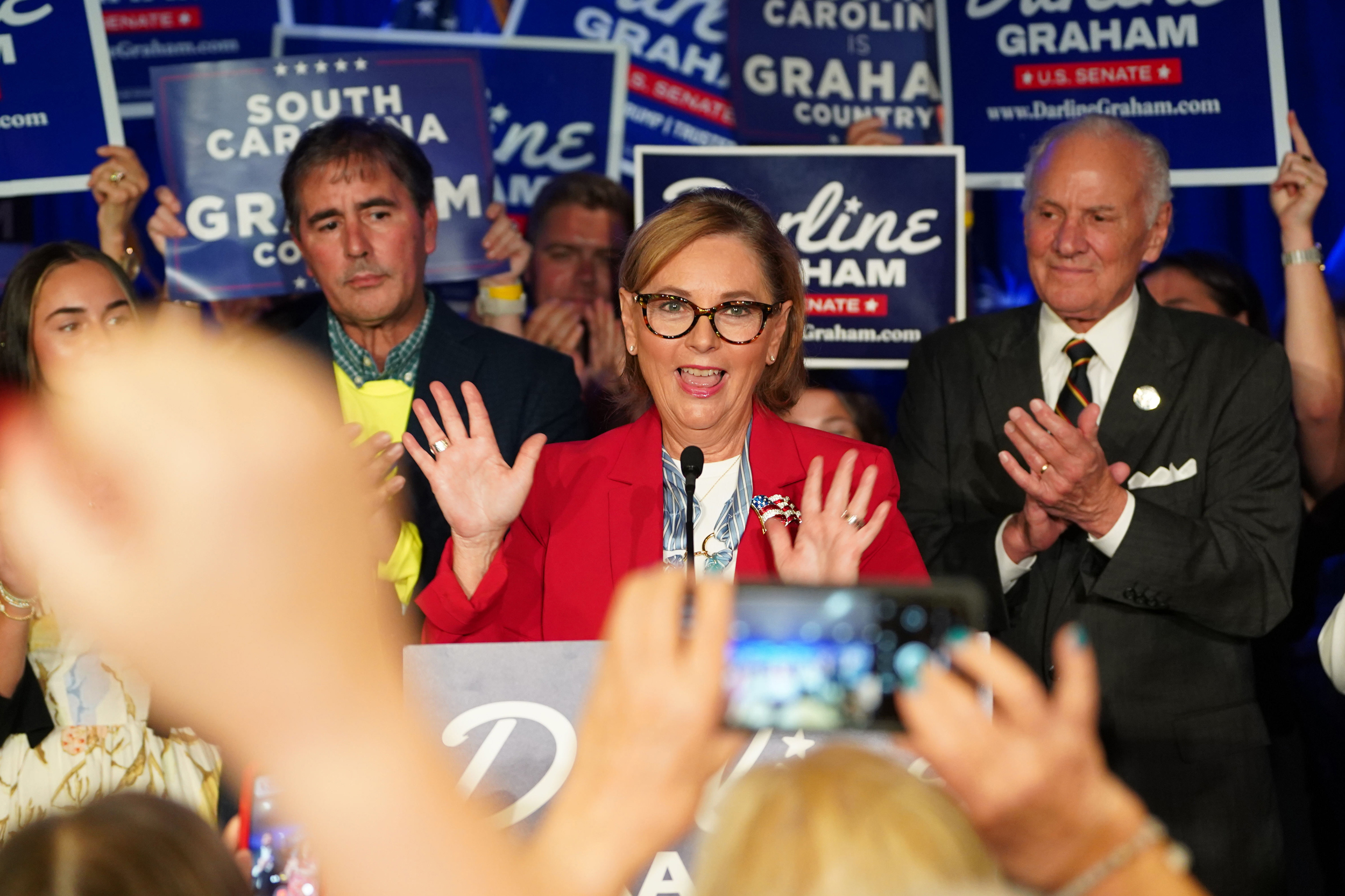
A clean energy super PAC achieved its fifth Republican primary victory this cycle, backing Darline Graham in South Carolina's Senate race against incumbent Rep. Ralph Norman. The Invest in Tomorrow Coalition (ITC) spent $1 million supporting Graham, who won the Republican primary on Tuesday. The coalition, financed by solar entrepreneurs and Silicon Valley venture capitalists, marks a rare instance of well-funded climate advocates succeeding within GOP primary elections, traditionally hostile to clean energy policies.
Trump publicly endorsed Graham, complicating the narrative around the race. Norman had represented South Carolina's Fifth District in the House and faced pressure from multiple directions. The ITC's intervention signals a strategic shift in how clean energy advocates deploy resources, targeting Republican primaries rather than focusing exclusively on general elections or Democratic candidates.
The Invest in Tomorrow Coalition operates as an independent expenditure committee, meaning it can raise and spend unlimited sums while remaining formally separate from any candidate's campaign. This structure allows the group to run aggressive advertising campaigns without coordination restrictions. The PAC's fifth primary victory demonstrates that clean energy messaging resonates with certain Republican voters, particularly in primary contests where economic arguments about job creation and energy independence can outweigh partisan divisions.
Solar entrepreneurs and venture capitalists funding the ITC represent a commercial interest in expanding the clean energy market. Solar installations generate jobs in manufacturing, installation, and maintenance. States that embrace renewable energy development see workforce growth in these sectors. The venture capital component reflects expectations that clean energy companies will deliver returns as the industry scales. This creates a financial incentive structure separate from traditional climate advocacy.
Graham's victory over Norman suggests primary voters in South Carolina's Republican Party respond to candidates presenting clean energy as compatible with conservative values. Norman's opposition to clean energy policies apparently damaged him sufficiently that Graham could overcome him despite Norman's House incumbency. The ITC's successful track record across five primaries indicates organized, well-capitalized clean energy funding can shift Republican primary dynamics when deployed strategically.
The implications extend beyond South Carolina. A Republican Senate caucus that includes members backed by clean energy super PACs faces different pressures than one composed entirely of candidates who opposed renewable energy development. Senators receiving substantial ITC support carry different constituency expectations. Votes on energy infrastructure, tax credits for renewables, and climate-related legislation face altered political calculations when enough GOP senators owe political support to clean energy donors.
The general election contest between Graham and the Democratic nominee will test whether primary voters' receptiveness to clean energy messaging translates into general election viability. South Carolina leans Republican, making the general election outcome dependent on whether independent and moderate voters align with Graham's positioning on energy policy. Norman's defeat removes a reliable opponent of clean energy from the Republican primary process but leaves uncertainty about whether Graham can maintain Republican primary support while pivoting toward general election messaging.
The ITC's spending strategy focuses on Republican primary elections where clean energy advocates historically invested minimally. Five victories in a single cycle establishes a precedent that venture capital and solar industry funding can reshape Republican candidate recruitment at scale. Future cycles will reveal whether the coalition expands its primary targeting or consolidates resources behind general election races. The broader implication concerns whether clean energy advocates can durably influence Republican politics through super PAC spending or whether Tuesday's results reflect unique factors specific to individual races.