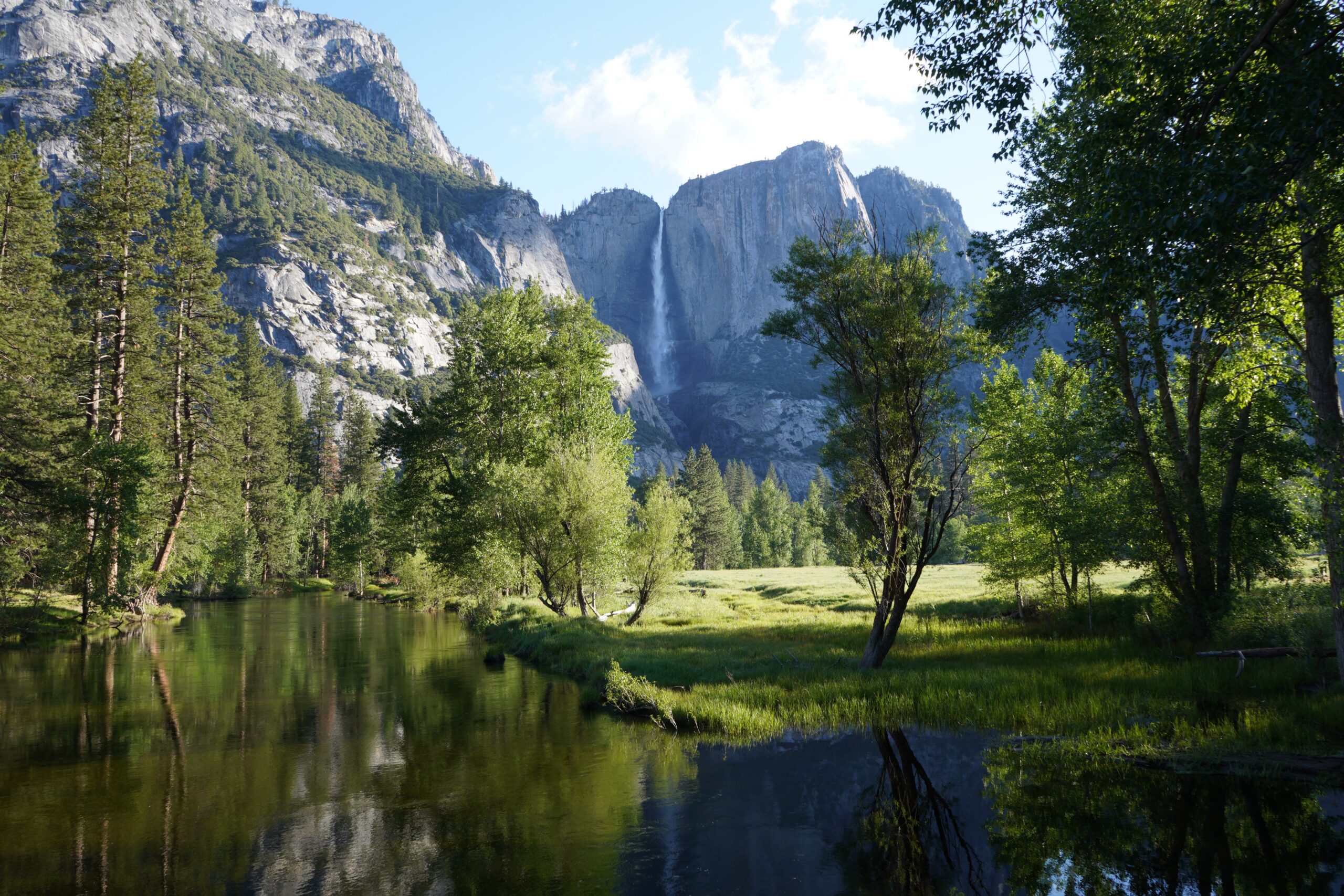
The Trump administration has pursued a secretive year-long effort to convince the National Park Service to permit a private developer to build a road through Yosemite National Park, according to the Sierra Club. The undisclosed proposal would grant the developer direct access to private property by cutting through one of America's most protected landscapes.
The Sierra Club's public opposition marks a rare institutional clash over land use inside a national park. The conservation group characterizes the initiative as a threat to the integrity of Yosemite's protected status under the National Park Service Organic Act of 1916, which mandates that parks be preserved "unimpaired for future generations."
Details of the proposal remain opaque. The Trump administration has not released specifics about the developer's identity, the exact acreage involved, or the scope of the planned road construction. The Sierra Club's statement references the discussions as occurring "over a year" prior to public disclosure, suggesting the negotiations predated recent announcements.
This maneuver occurs within a broader pattern of Trump administration actions toward federal lands. In 2017, the administration reduced Bears Ears National Monument from 1.35 million acres to 228,000 acres. It also cut Grand Staircase-Escalante National Monument by roughly half. Interior Secretary Ryan Zinke became a focal point of those decisions before his 2018 resignation.
The current Yosemite proposal faces substantial legal obstacles. The National Park Service operates under explicit statutory authority that protects park resources from private development. Section 1 of the 1916 Organic Act states that parks exist to "conserve the scenery and the natural and historic objects and the wild life therein and to provide for the public enjoyment of the same in such manner and by such means as will leave them unimpaired for future generations." Federal courts have repeatedly upheld this language to prevent incompatible land uses within park boundaries.
Environmental groups have mobilized response. The Sierra Club vowed to oppose the plan through legal action if necessary. Other organizations, including the Wilderness Society and the National Parks Conservation Association, have expressed concern about the precedent such approval would set.
Yosemite attracts approximately 3.3 million visitors annually and generates roughly $1.5 billion in economic activity for surrounding communities. The park encompasses 750,000 acres of protected territory across Tuolumne, Mariposa, and Mono counties in California. The proposed road would represent the first significant land transfer within park boundaries since the park's establishment in 1890.
The administration has not formally submitted the proposal to Congress. Congressional approval would technically be required for any boundary adjustment or land exchange, though the administration's confidential approach suggests an attempt to avoid legislative scrutiny.
This proposal tests the limits of executive authority over national parks. The Secretary of the Interior holds substantial discretionary power, but that power operates within the constraints of the Organic Act and the National Environmental Policy Act, which mandates public comment periods and environmental review before major land use decisions.
The Sierra Club's challenge suggests litigation may follow if the administration moves forward. Past court decisions favor preserving park integrity over private interests. The outcome will establish whether the current administration can override century-old conservation law to accommodate private development.