# Corpus Christi Suspends Wetland Water Releases While Easing Lawn Watering Rules
Texas environmental regulators granted Corpus Christi an emergency exemption Tuesday evening that suspends the city's legal obligation to release water from its reservoir system to support coastal wetlands. The same day, city officials lifted lawn-watering restrictions that had remained in effect since 2024, when reservoir levels dropped critically low.
The Texas Commission on Environmental Quality issued the emergency order allowing Corpus Christi to halt instream flows required under water rights permits. These releases normally sustain the Nueces River and downstream estuarine ecosystems that depend on freshwater inputs. The move prioritizes municipal water supply for the city's 320,000 residents over ecological needs.
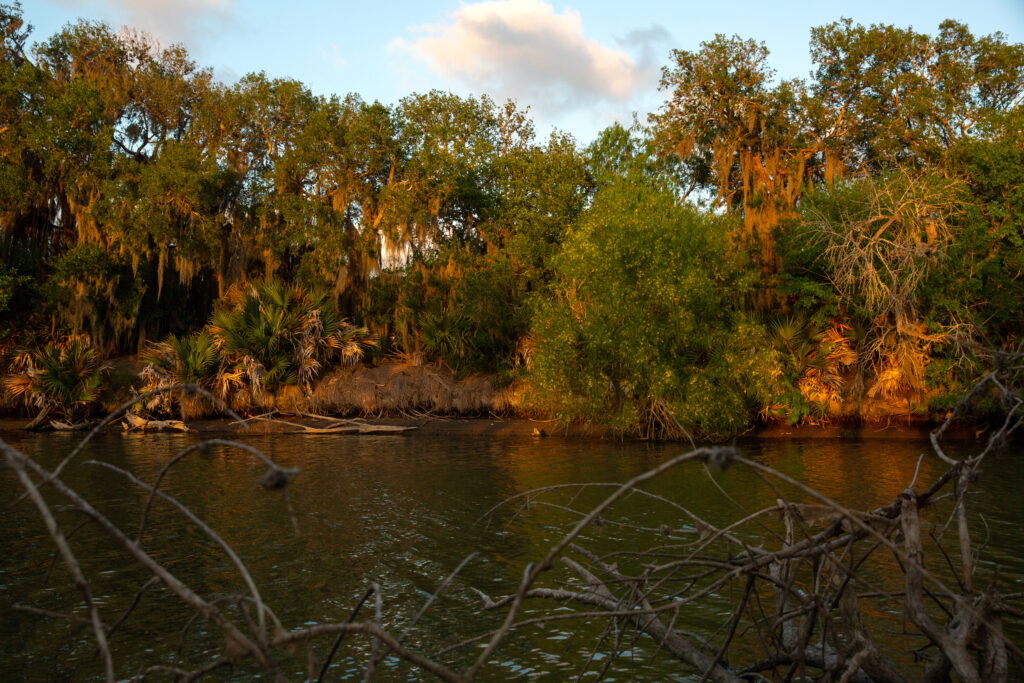
Corpus Christi sits on the Texas coast where the Nueces River system feeds into Corpus Christi Bay, one of the state's most productive estuaries. Coastal wetlands in the area filter water, reduce storm surge, and support commercial fisheries. The city's reservoir system, which includes Lake Corpus Christi and Nueces River diversions, supplies both human consumption and environmental flows mandated by permits.
The emergency order reflects the competing pressures facing water-stressed Texas cities as drought persists across the state. Corpus Christi's reservoirs fell below critical thresholds in 2024, triggering mandatory conservation measures including lawn-watering bans. Yet lifting these restrictions while simultaneously suspending wetland releases illustrates how municipal priorities can override ecological protections during water shortages.
The timing raises questions about water management strategy. If reservoirs remained stressed enough in 2024 to justify severe restrictions, the rationale for easing lawn restrictions while curtailing wetland flows suggests the city views nonessential outdoor water use as acceptable while treating ecosystem flows as expendable.
Water quality experts warn that reduced freshwater inflows to coastal bays can increase salinity levels, harming fish nurseries and reducing productivity of oyster beds. The Nueces estuary produces significant commercial fish catches, and salinity changes can cascade through the food web. Some marine species have narrow tolerance ranges for freshwater input.
TCEQ granted the emergency order under drought provisions allowing regulators to modify water rights temporarily when supplies fall below sustainable levels. The agency can issue such orders for up to 120 days, renewable upon request. The decision required finding that releasing required instream flows would jeopardize public water supply.
Corpus Christi's water utility has not released specific data on current reservoir levels or projected recovery timelines. The city drew from surface water supplies in 2024 while also purchasing groundwater from nearby districts. Long-term precipitation forecasts for South Texas remain uncertain, though La Niña conditions historically correlate with drier conditions in the region.
Environmental advocates in Texas have raised concerns about how drought declarations disproportionately impact environmental protections. Water rights permits often include hierarchy clauses favoring municipal supplies, but environmental flow requirements exist because decades of over-allocation reduced Texas rivers to ecological shadow of their historical condition.
The suspension remains temporary. If reservoir levels recover within the emergency order period, TCEQ can terminate the exemption and require resumption of wetland releases. Until then, Corpus Christi Bay receives reduced freshwater input while city residents gain greater latitude for lawn irrigation.