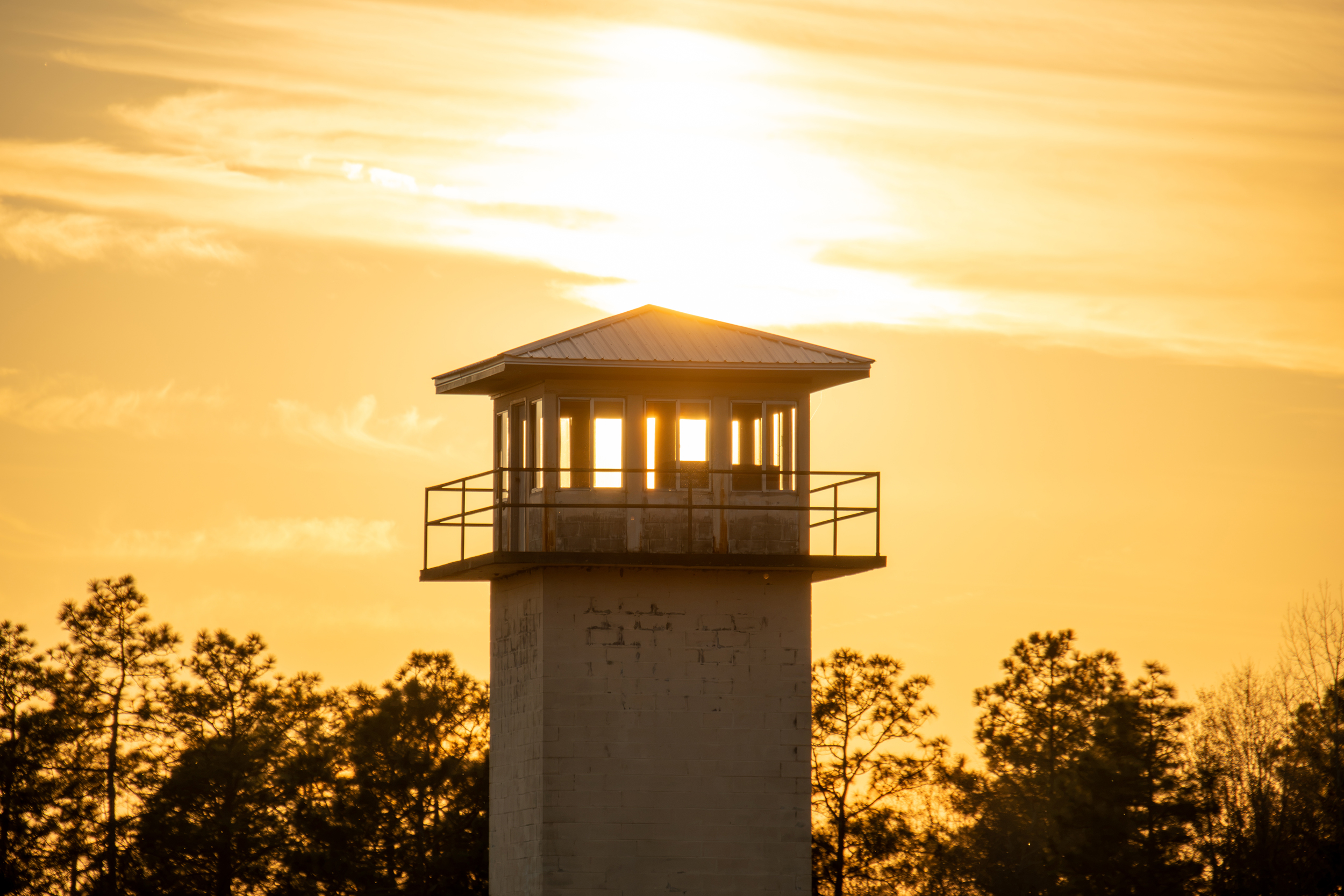
# 'Unbearable' Heat in Uncooled Alabama Prisons
Tiffany Montellano received an unexpected call from her husband Andrew during her lunch break. He had missed their regular nightly conversation. The reason was simple and dire: he was collapsing from heat exhaustion at Elmore Correctional Facility, a state prison north of Montgomery, Alabama.
Elmore and other Alabama prisons lack air conditioning in most facilities. Summer temperatures inside cells regularly exceed 100 degrees Fahrenheit. Incarcerated people report lying on concrete floors through the night seeking any thermal relief. Fans provide minimal comfort when outdoor heat waves grip the state, with temperatures climbing above 95 degrees for weeks at a time.
This infrastructure failure compounds a health crisis. Medical experts confirm that sustained exposure to extreme heat causes dehydration, heat exhaustion, and heat stroke. Vulnerable populations including older people, those with chronic illnesses, and individuals taking psychiatric medications face heightened risk. Prison medical staff report treating dozens of heat-related cases annually. Documentation shows Alabama prisons have not installed central air conditioning systems in most dormitory blocks or cell housing.
The Alabama Department of Corrections operates 15 state facilities. Budget constraints, aging infrastructure, and deferred maintenance have left most without adequate cooling systems. Prison administrators acknowledge the problem but cite limited funding for capital improvements. The state legislature has not appropriated sufficient resources for comprehensive climate control retrofitting.
Legal challenges have mounted. Incarcerated people and advocacy groups filed complaints arguing that conditions violate constitutional protections against cruel and unusual punishment. Federal courts in other states have ruled that prolonged exposure to extreme heat in custody constitutes deliberate indifference to serious medical needs. Alabama faces similar lawsuits.
Climate change intensifies the crisis. Alabama experiences longer, more intense heat waves as average temperatures rise. The state recorded its hottest summer on record in 2023. Weather projections indicate that extreme heat events will increase in frequency and severity through the 2030s and beyond. Prisons without cooling systems will become increasingly dangerous environments.
Other Southern states confront identical conditions. Texas, Louisiana, and Florida prisons operate without full air conditioning coverage. Corrections advocates argue that climate adaptation requires retrofitting existing facilities with cooling systems, improving ventilation, and developing emergency protocols for extreme heat events.
Tiffany Montellano worries daily about Andrew's safety. Her concern reflects a broader accountability gap. Incarcerated people cannot simply leave dangerous conditions. They cannot seek cooler locations. They depend entirely on prison officials to provide basic protections against environmental hazards. Alabama's failure to cool its prisons leaves thousands of people exposed to heat that prison staff members and administrators would never tolerate in their own homes.
The solution exists. Cooling system installation, maintenance, and operation require capital investment and operational budget increases. Alabama officials debate whether such spending qualifies as essential infrastructure or discretionary luxury. Incarcerated people and their families know the answer. Each summer heat wave confirms that survival should not depend on wealth or freedom status.