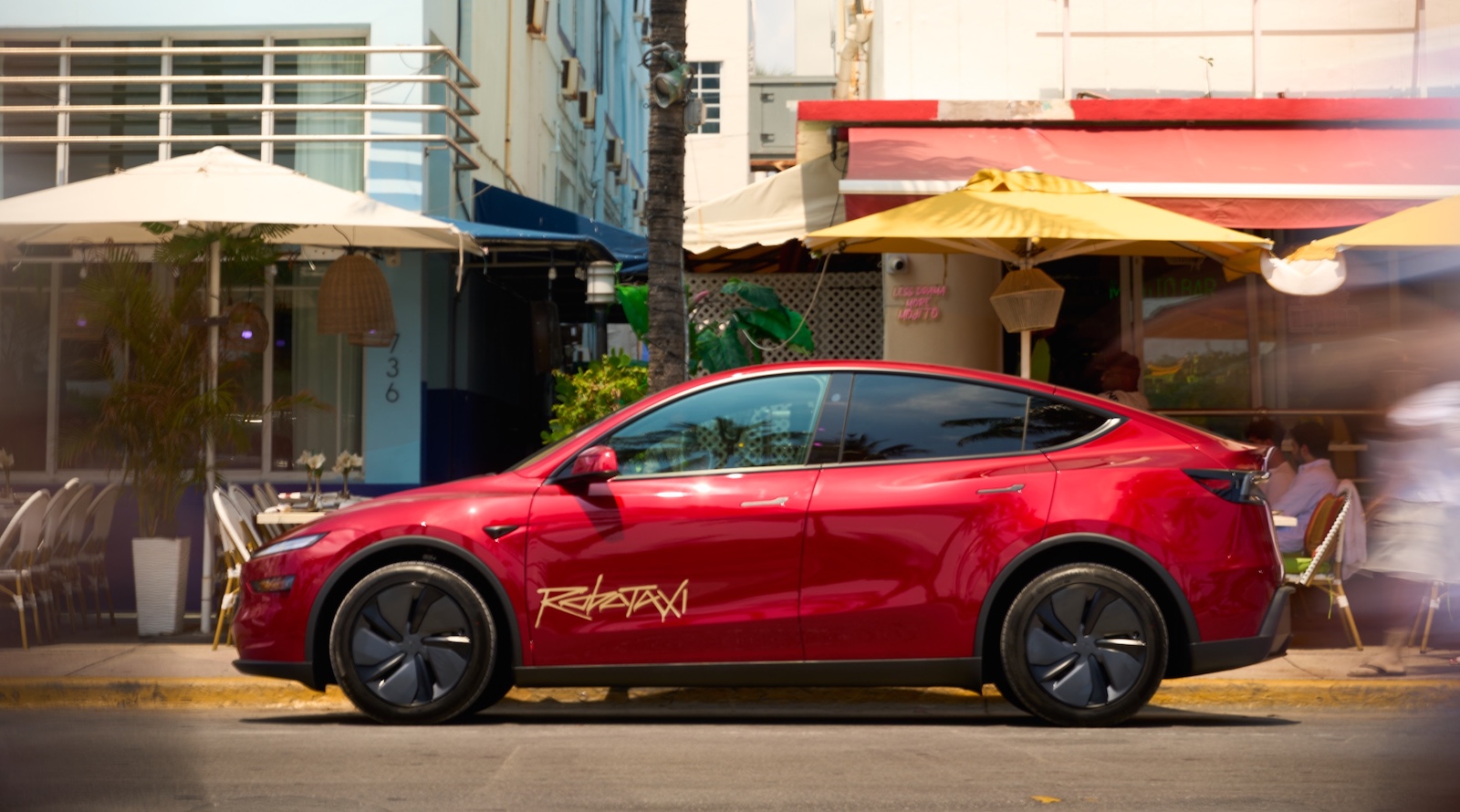
Tesla received approval from Nevada regulators to operate a robotaxi fleet, but the permit authorizes just 10 autonomous vehicles. The company had requested permission to deploy 5,000 robotaxis in Clark County within one year, marking a significant gap between ambition and regulatory reality.
Nevada's Department of Motor Vehicles granted the permit following a public comment period and internal review. The restriction to 10 vehicles represents a cautious regulatory approach to autonomous vehicle deployment in one of the nation's most active testing grounds for self-driving technology. Clark County includes Las Vegas, a region with heavy tourist traffic and complex urban driving conditions.
Tesla's request came after the company has accelerated its robotaxi development timeline. CEO Elon Musk announced plans for a dedicated robotaxi vehicle and expanded autonomous capabilities. The company has been testing its Full Self-Driving software in various markets, though it operates as a Level 2 driver-assistance system under current regulations, meaning human oversight remains legally required.
The permit caps Tesla's immediate operational scope far below its stated goals. A 10-vehicle limit allows the company to gather data and demonstrate safety protocols, but falls short of the commercial deployment scale needed to generate meaningful revenue from autonomous ride-hailing services. Other autonomous vehicle operators have faced similar restrictions. Waymo operates a larger fleet in Arizona and California through step-by-step regulatory approvals, and Cruise has expanded operations incrementally as regulators grant broader permissions.
Nevada has positioned itself as an autonomous vehicle testing hub since 2012, when it became the first state to license self-driving cars. The state's regulatory framework requires companies to demonstrate safety records before expanding fleets. Current restrictions likely reflect lingering concerns about Tesla's autonomous capabilities and accident data. In 2024, regulators examined crash reports involving Tesla vehicles operating in autonomous modes, raising questions about the system's reliability in complex traffic scenarios.
The limited permit also reflects broader regulatory caution across the U.S. Following incidents involving Cruise vehicles in San Francisco, state and federal agencies have tightened oversight of autonomous vehicle testing and deployment. The National Highway Traffic Safety Administration has opened investigations into multiple autonomous systems, and several states have imposed new safety requirements before operators can expand fleet sizes.
Tesla faces a regulatory pathway similar to competitors. Waymo received incremental approvals in Arizona over years of operations before deploying thousands of vehicles. Cruise operated under increasingly restrictive permits after safety concerns emerged. Nevada's 10-vehicle cap appears designed to establish baseline safety performance data before authorizing significant expansion.
The company can petition for permit expansion as it demonstrates operational safety and reliability. Each increase would likely require additional data submission and regulatory review. The actual timeline to reach 5,000 vehicles could span years rather than months, depending on accident rates, customer complaint patterns, and regulatory confidence in the technology.
This permit illustrates the gap between autonomous vehicle companies' commercial ambitions and regulators' comfort with rapid deployment. Nevada's cautious approach reflects lessons learned from other autonomous platforms and underscores that even in permissive regulatory environments, reaching large-scale operations requires sustained safety demonstration over time.